Viaje como experiencia de aprendizaje 2025
Travel journal
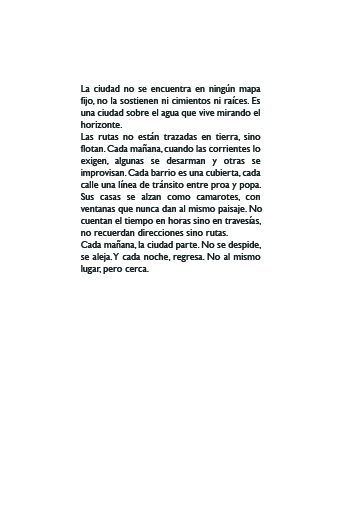
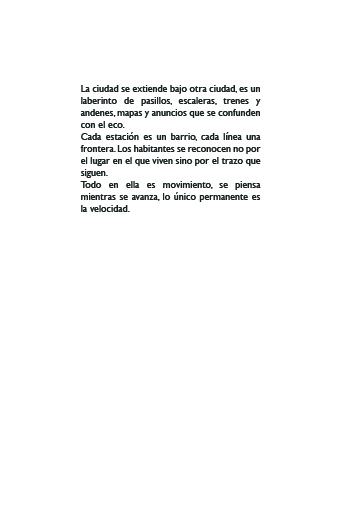
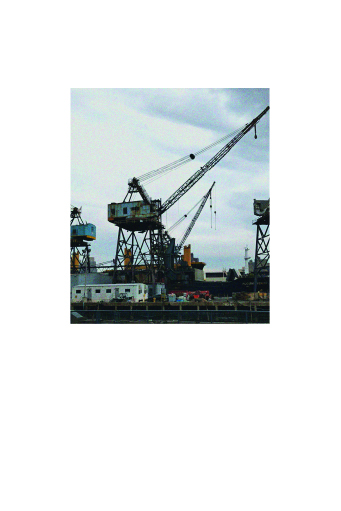
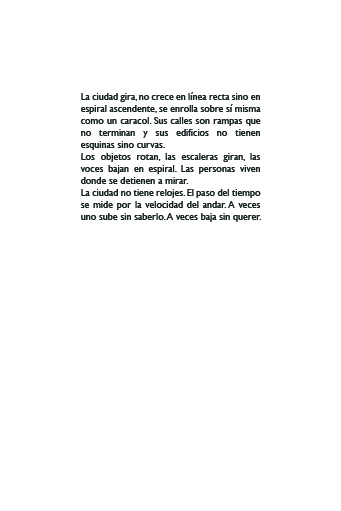
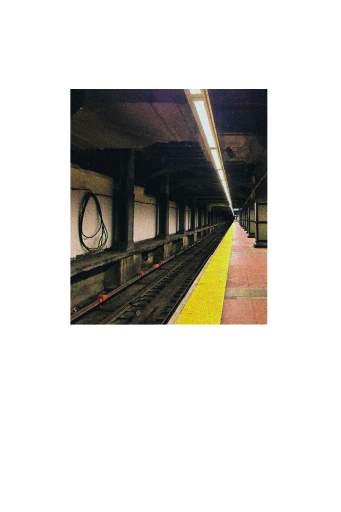
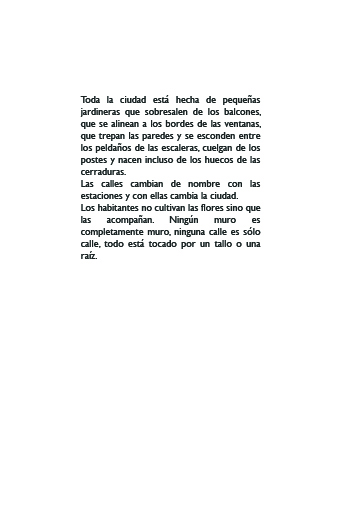
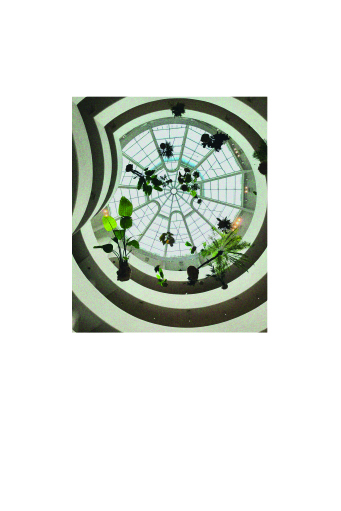
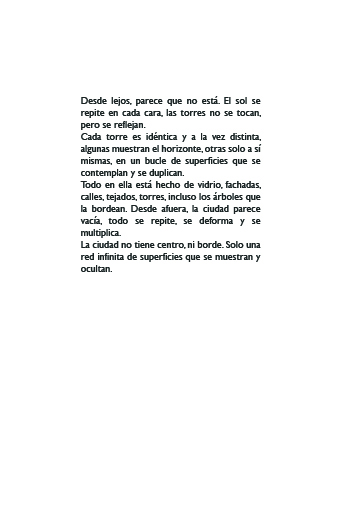
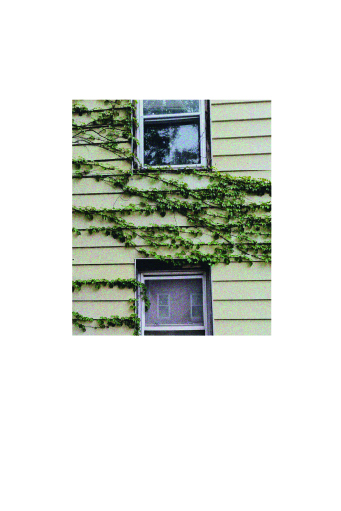
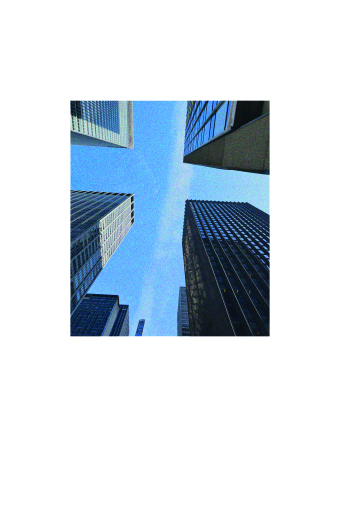
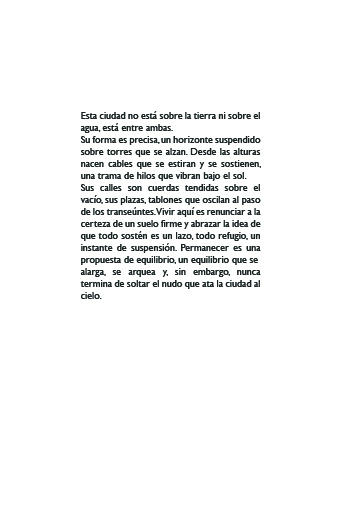
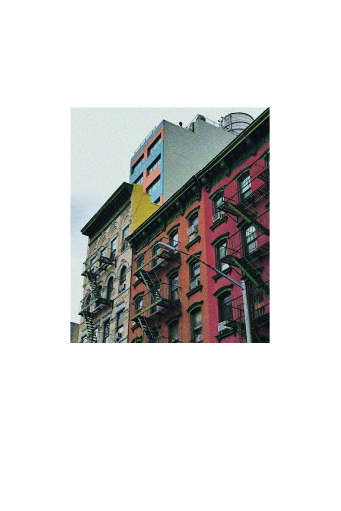
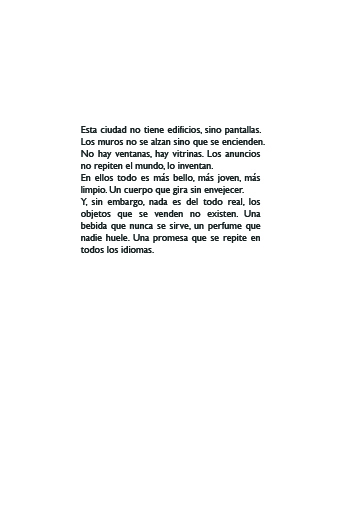
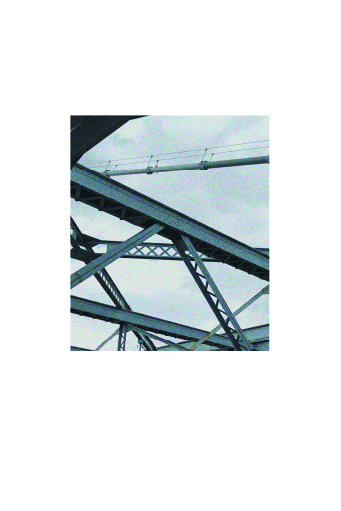
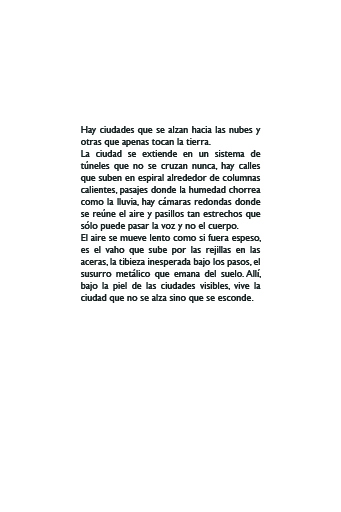
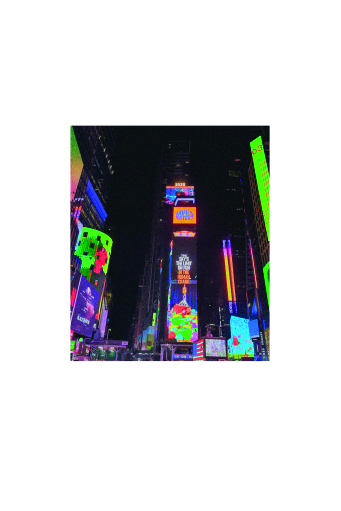
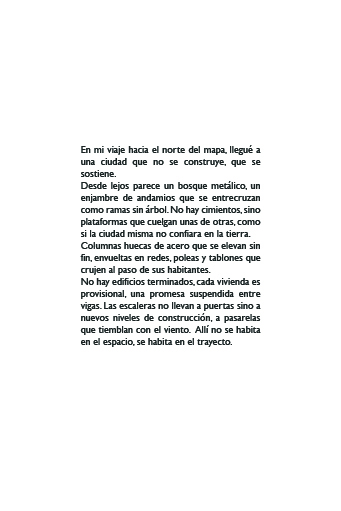
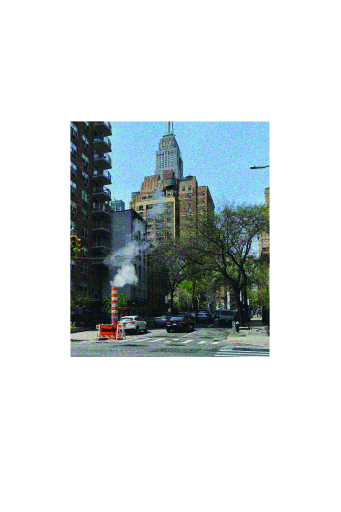
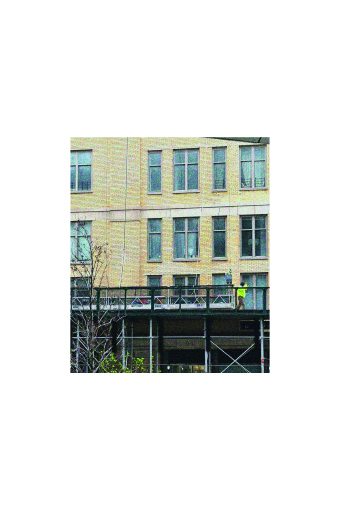
This travel journal arises from my interest in observing an unknown city, in finding among its components elements that are familiar to me, as well as others that are completely unknown. Such elements make up the city and shape the way it is inhabited; they are milestones etched in my memory that help me relive the journey. I have chosen to write fictional accounts based on a selection of images of the trip that have remained present for me, inspired by the things that caught my attention, things that made me reflect and wonder about how the city of New York is constructed and lived in and that are, to some extent, a map of the experience I shared with thirteen others over fourteen days of travel
The texts are inspired by Invisible Cities by Italo Calvino and are an exercise in imagination, where other cities merge with the elements I found in New York City, which had a strong presence throughout the routes and visits we made. They reflect the journey, but also my thoughts and experiences in relation to this city.

Silvia Elvira Acosta
Mexico City, 1992
She is an artist and architect born in Mexico City. She graduated from the Faculty of Architecture at UNAM (2011–2016) and from the Escuela Nacional de Pintura, Escultura y Grabado “La Esmeralda” (2016–2021). She participated in a student exchange program and completed a residency at the Universidad de los Andes in Bogotá, Colombia (2015). She has participated in various seminars on the city, memory, and artistic and architectural production at Campus Expandido (MUAC), the Faculty of Arts and Design at UNAM, Casa Vecina, among others. She is currently pursuing a Master’s degree in Visual Arts specializing in drawing at the Universidad Autónoma de México (UNAM), and is also part of the Programa Educativo SOMA (SOMA Study Program). Her work has been included in several group exhibitions in various venues across Mexico City, such as Pulsar el vacío at Eugenia Espacio (2024), Golpe de suerte at Escrituras Experimentales (2024), Lección del día at Salón Silicón (2018), Stopping at Casa Vecina (2017), and Verde Olivo at the Instituto Mexicano de Justicia (2017). Both her artistic production and research have primarily focused on themes such as landscape, spatial and sensory perception, and the dynamics of interaction between subjects and objects within inhabited space. Influenced by her training as an architect, her work is guided by the notions of inhabiting the landscape and configuring territory. She works mainly through drawing, installation, and textile.
Travel journal
Over the course of two weeks, I wandered through New York City with a Super 8 camera and an audio recorder, documenting the diverse flows that compose the city. This project stems from questions about how a city is built through memory, and what is transformed when memory becomes the only way to return to certain places.
I am interested in thinking about memory, both individual and collective, as a force that alters space, reorganizing it over time. The camera does not serve as an impartial witness here; rather, it functions as a filter that reinterprets the surroundings. Silhouettes, shadows, and echoes form an image charged with layers and detours.
This exercise is not about narrating a city, but about traversing it.The piece unfolds as a fragmentary drift, where each map turns into an attempt at reading. New York appears not as a stage, but as an unstable surface made of traces, interruptions and overflows. At the intersection of personal archive and urban territory, memory operates less as a repository than as an active mode of perception.
The use of the Super 8 follows this logic, not for its nostalgic evocation, but for its ability to make the wear of documentation visible. The marks on the celluloid, its flaws and textures, heighten the sense of being in a city in constant transformation, where the visible and the absent blur, and get confused.
This work does not seek to capture the city in a fixed image, but rather to open a reading of its tensions: between what is remembered and what is erased, what resounds and what remains outside the range of hearing. The camera does not capture: it interrupts, diverts, and reframes. What is ultimately proposed here is a way of wandering: a mobile reading of the urban landscape through its remnants.
Mario Alberto Bravo
State of Mexico, 2000
His multidisciplinary artistic practice encompasses writing, sound, and elements of everyday life in Mexico. His work moves through literature, sound art, installation, photography, and 3D animation. He is currently participating in the Programa Educativo SOMA (SOMA Study Program). In 2023, he toured a series of quadraphonic installations across various venues in Colombia, including Parque Explora, Matik Matik, and the Museo de Arte de Pereira. He has collaborated with Kaunas 2022 in Lithuania on the release of the album Matters; with the Palestinian radio station Radio Alhara in the program “A Common Place”; and with the Uganda-based record label Syrphe.
His work has been shown at institutions such as Paris College of Art, the Centro Cultural de España en México, Museo Experimental El Eco, Museo Universitario del Chopo, The Wrong Biennale, and the Kaunas Art Institute, among others. His practice explores the perception of space between the visible and the invisible, investigating how these dimensions shape social dynamics and their relationship with memory.
Travel journal
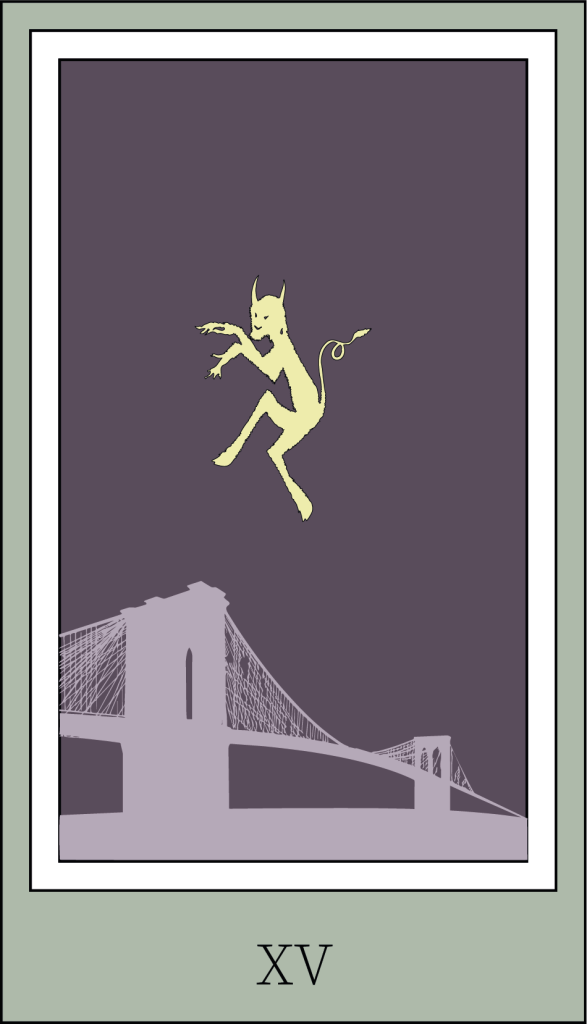
This tarot deck of the twenty-two arcana (+ two versions of the same song by Miranda!) emerged from the program Viaje como experiencia de aprendizaje (Travel as a Learning Experience, 2025), during which the SOMA 2025 generation traveled to New York City, invited by CIAC.
Just like the twenty-two major arcana, these cards explore the trip through a symbolic narrative. The deck picks up and reinterprets tarot archetypes through experiences, images, and symbols that marked this extraordinary experience. Each card represents an archetypal experience translated into icons, signs, and illustrations, merging the anecdotal with the stereotypical.
The major arcana appear as symbolic representations of key moments from both an inner and outer journey: from the impulsive and wide arrival of The Fool, with its intention like an arrow, to the guiding light of The Star, evoked in a bas-relief inscription at the Noguchi Museum.
Each arcana not only echoes a universal symbol, but also takes on new life through the experiences, sounds, and contrasts shared with those who accompanied me during these two weeks in New York. The game becomes an invitation to remember the city and my time at SOMA, where landscapes, friendships, and gossip become mirrors of the soul.
Thus, the Jungian archetypes —The Wise Old Man, The Shadow, The Mother— intertwine with the major arcana to offer us an emotional and symbolic map of human travel, with New York as its stage and catalyst.
El Diablo
Download pdf with printable deck and instructions
Antonio Castillo
Santiago de Chile, 1991
Bachelor of Arts from the Universidad Católica de Chile, he has worked as a sculptor and draftsman, in addition to directing the web series Esculturas Domésticas TV. His work has been featured in solo and group exhibitions in Chile, Mexico, Argentina, the United States, and Spain. In 2018, he received the Mori scholarship, which allowed him to undertake a one-year residency at Taller Bloc (Santiago, Chile), as well as the Premio Arte Joven awarded by Santiago’s City Hall, and the Lazo-Cordillera scholarship, enabling him to participate in a residency at Proyecto Urra (Tigre, Argentina). In 2022, together with Sarai León (Sarai & Antonio, 2018–present), he was awarded the regional creation FONDART grant. He is currently enrolled in the Programa Educativo SOMA (SOMA Study Program).
Travel journal
In this video, recorded in an influencer style, I reflect on the relationship between art and the social categories that define what we consider as good or bad taste, exploring how these perceptions are tied to the dominant culture and power dynamics. My experience in New York led me to realize that the works that I find most exciting and enjoyable, such as those by Renée Green or Lee Bul, use color, texture and saturation to explore cultural themes, identities and social discourses, in contrast to the monochromatic and austere minimalist tendencies prevailing within certain dominant artistic and cultural circuits. I reflect on how maximalism and kitsch, often dismissed as vulgar or distasteful, can serve as modes of resistance and authenticity expressed from the margins, while categories of taste are charged with symbolic violence. Finally, I recognize myself as an overflowed artist in a world that privileges discretion, minimalism and quiet elegance. I’d rather embrace the excessive, the monstrous and the kitsch as a way of claiming my own vitality and identity.
Samara Colina
Guanajuato, 1992
She is part of the Programa Educativo SOMA (SOMA Study Program, 2023-2025). She holds a Master’s degree in Artistic Production (MaPA Visual) from the Universidad Autónoma del Estado de Morelos (2020–2022) and a Bachelor’s degree in Visual Arts from the Universidad de Guanajuato (2013–2018). In 2024, she was awarded the grand prize at the Tijuana Triennial: 2nd International Painting Competition, organized by the Centro Cultural Tijuana (2024). She is a two-time recipient of the Guanajuato Program for the Stimulus of Creation and Artistic Development (PECDA, 2021 and 2023). She received the acquisition prize at the National Young Art Encounter in its 42nd (2022) and 40th (2020) editions, organized by the Instituto Cultural de Aguascalientes and the Instituto Nacional de Bellas Artes y Literatura. In 2021, she won third place in the 8th International Visual Arts Biennial for University Students in the “students” category. Her work has been featured in nine solo exhibitions and over thirty group exhibitions, both nationally and internationally.
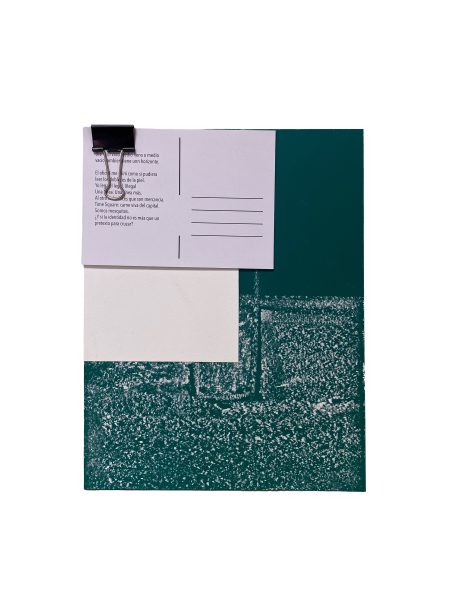
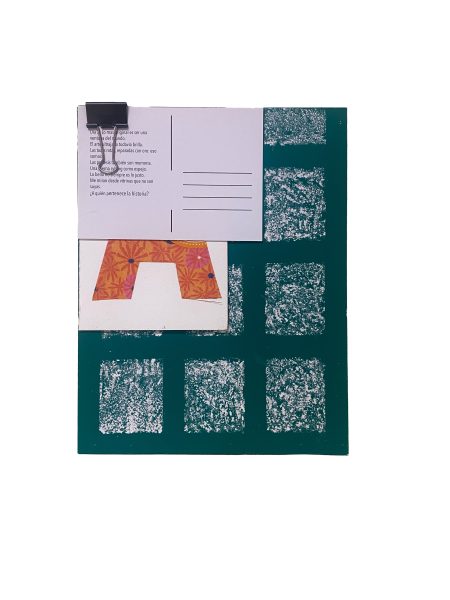
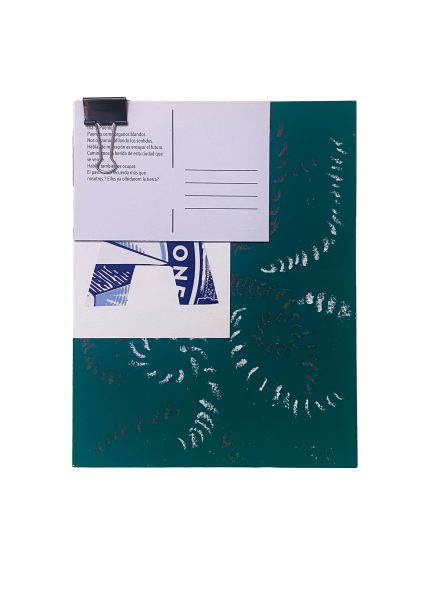
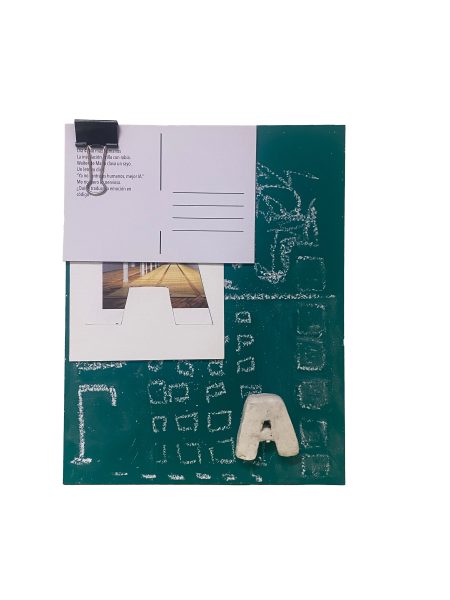
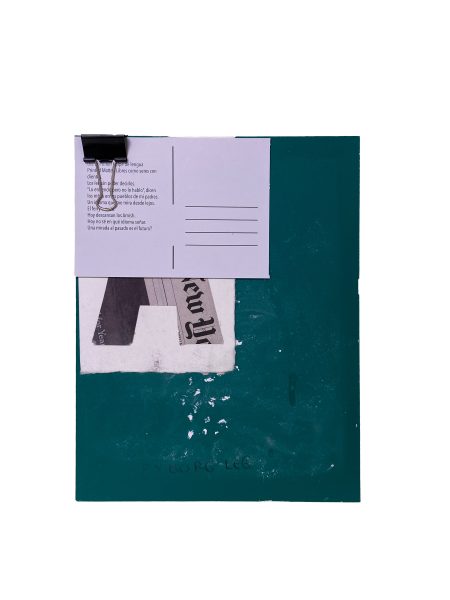
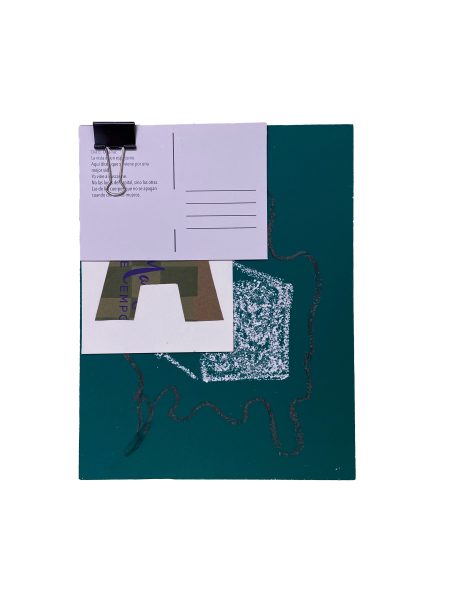
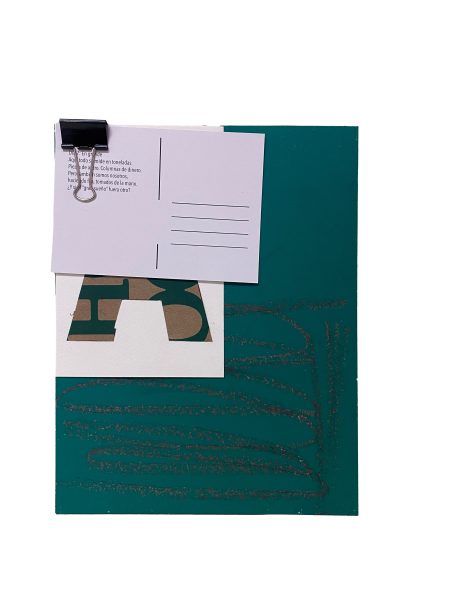
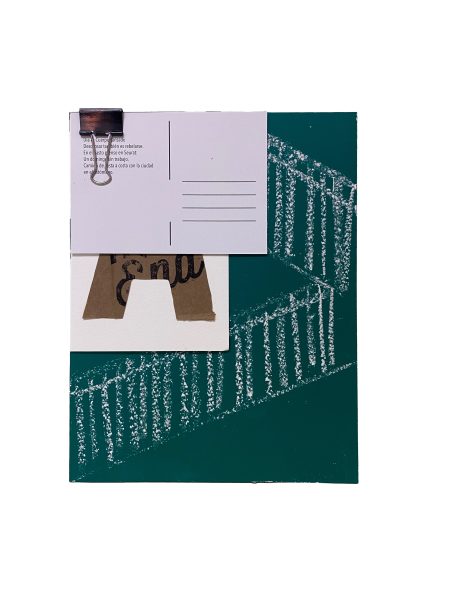
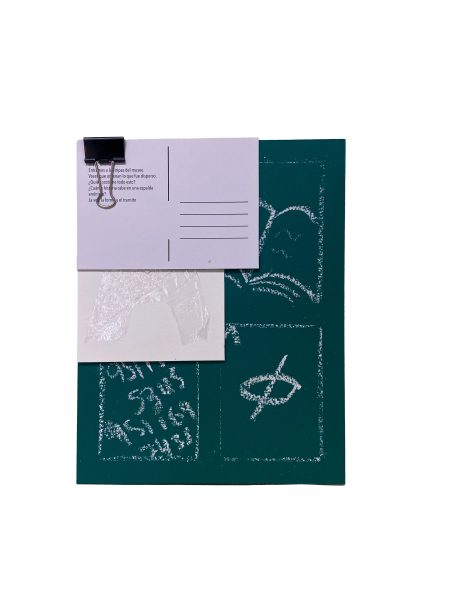
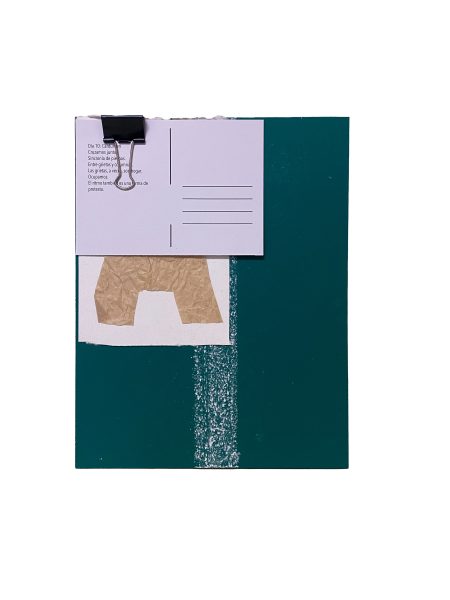
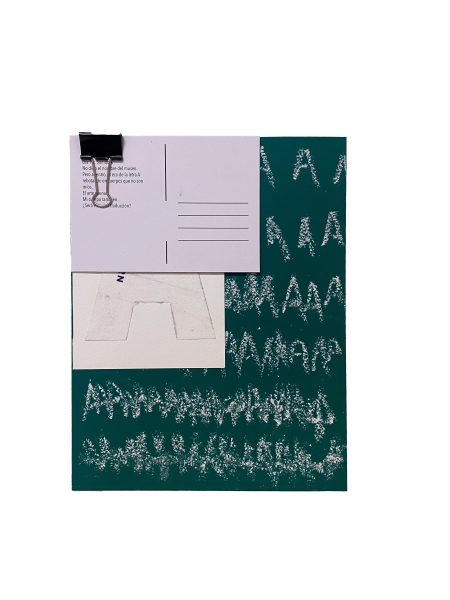
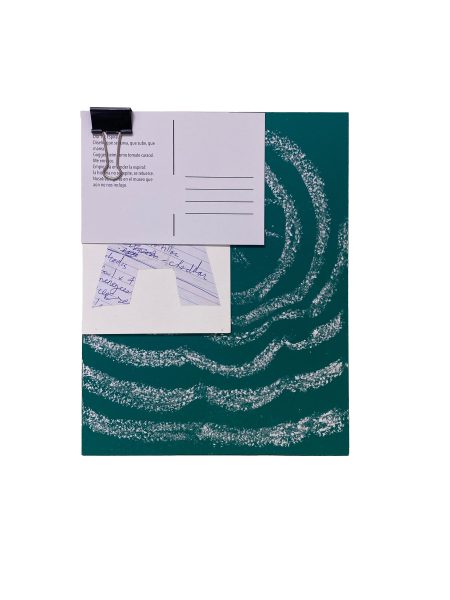
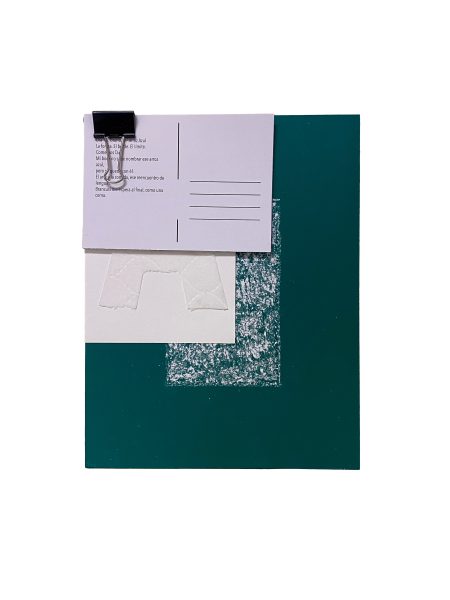
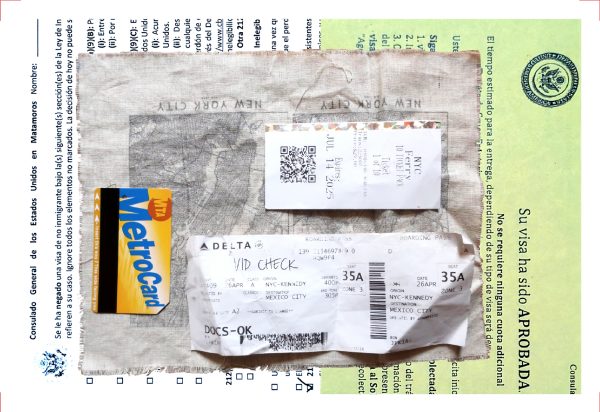
Archive for a body in transit.
This archive is built from the fissure.
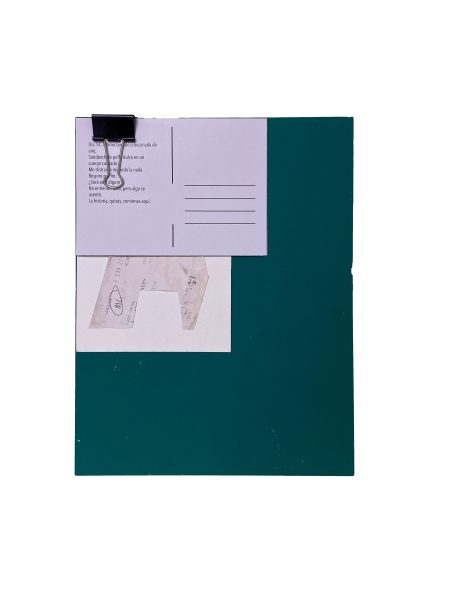
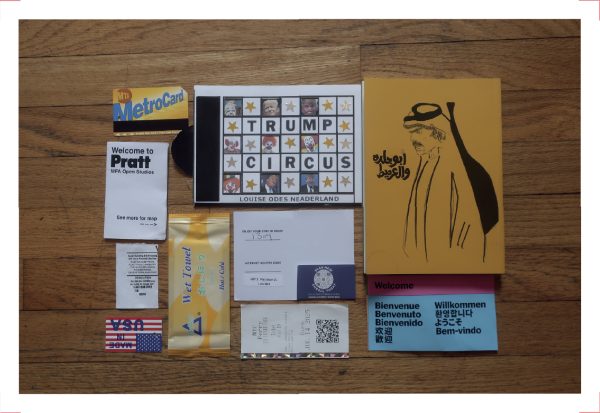
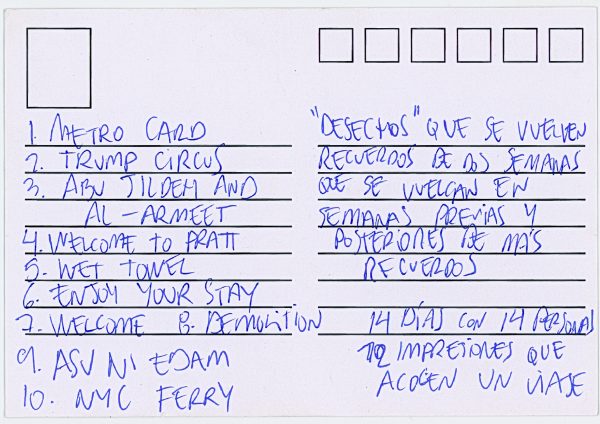
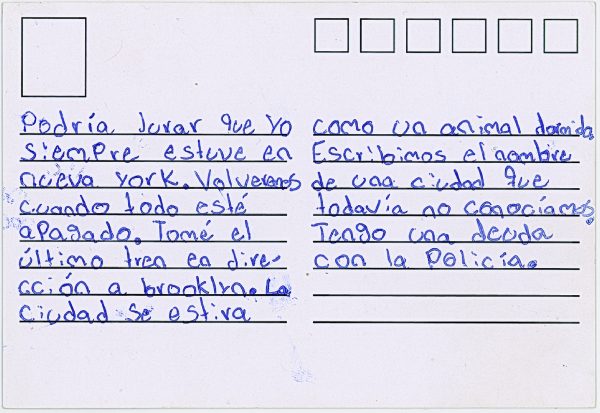
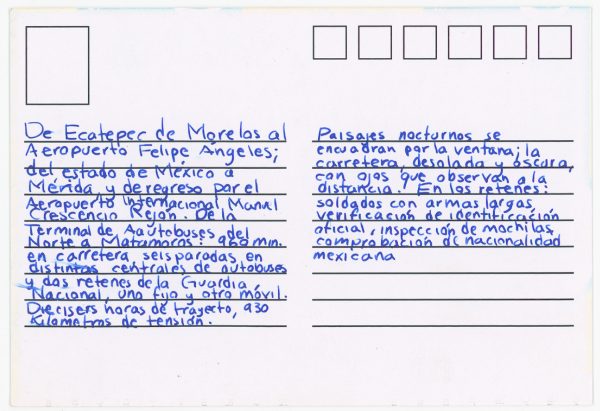
Fourteen days, fourteen postcards written against the grain of time, addressed to a future self that might have already forgotten.
What is preserved here are not souvenirs but contact sheets: with territory, with language, and with the body under tension.
The postcards were written as backsides, as an inner voice that does not fit within the official narrative of the trip.
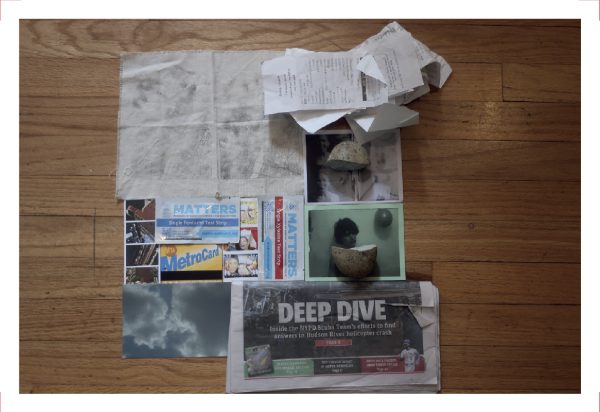
Each one is accompanied by green chalkboards, postcard backs, and the letter A cut from recovered waste —napkins, wrappers, newspapers, food leftovers—, forming a tactile map of what was inhabited and digested.
What holds up learning?
The chalk on the board, as fragile as an idea.
Used paper, transformed garbage, traces of consumption. What we wish to erase but cannot, and what is erased by time.
This archive unsettles the established formats of knowledge: the museum, the book, the lesson, the guide.
Here, the walking body, the mouth that mispronounces, the bridge crossing, the fatigue, and the blue rice become pedagogical materials.
The journey is assumed as a form of contested knowledge.
The postcards explore migration, legal access as an exception, art history as a spoil, language as a minefield, the city as a wound that can also host.
Writing was like retracing a spiral in reverse:
Not to return, but to see from another perspective the place that was left.
This archive does not aim for a bottom line.
It seeks to keep the question open:
¿How to learn in the overflowing margins?
Yatiní Dominguez
Oaxaca, 1996
She is a visual artist and editor. She studied contemporary dance at the Centro Dancístico y Coreográfico de Oaxaca and earned a Bachelor’s degree in Design and Visual Communication from UNAM. Her work has been shown in Mexico and the United States. She is currently attending the Programa Educativo SOMA (SOMA Study Program, 2023-2025). She co-directs the publishing workshop Ojo Tres and is part of the curatorial project CIMBRA, which seeks out abandoned spaces to use as exhibition sites. Non-official languages, orality and symbolism act across her artistic practice as bodies containing memories and affections that serve as modes of resistance. These acts resonate in a world where the virtual and the physical are in constant entwinement.
Fernanda Farjeat
Travel Journal
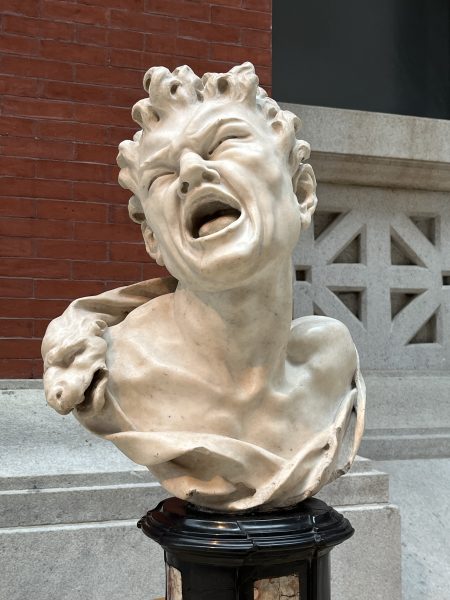
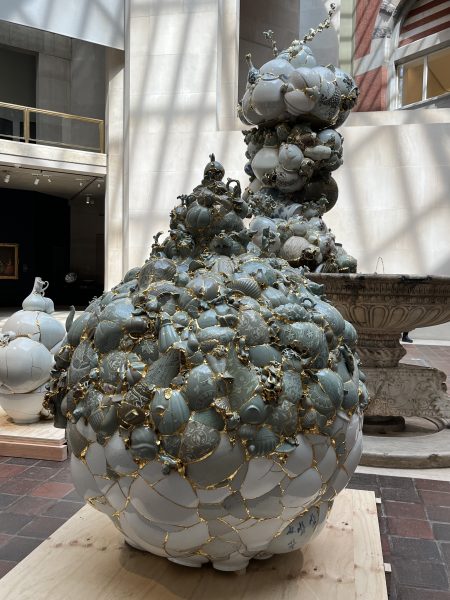
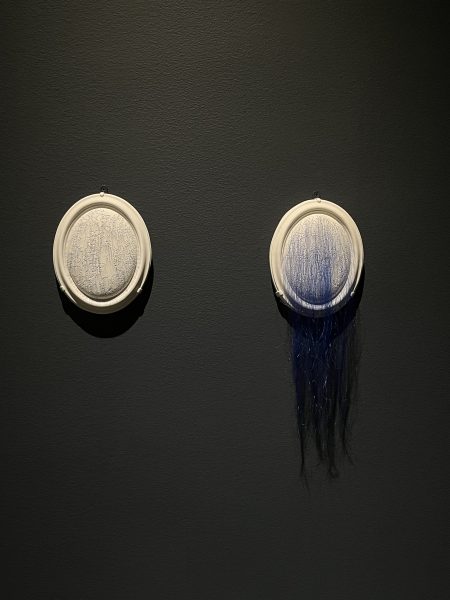
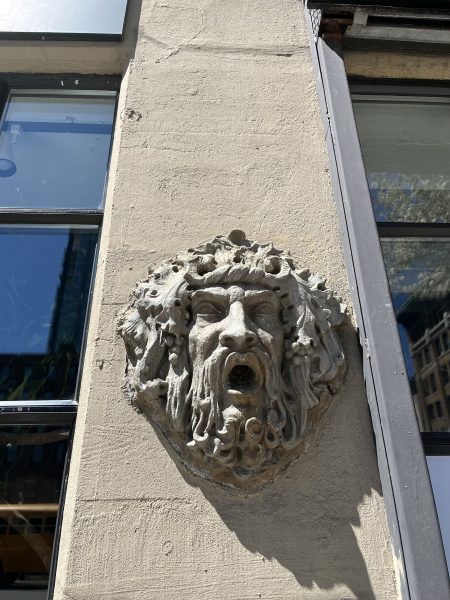
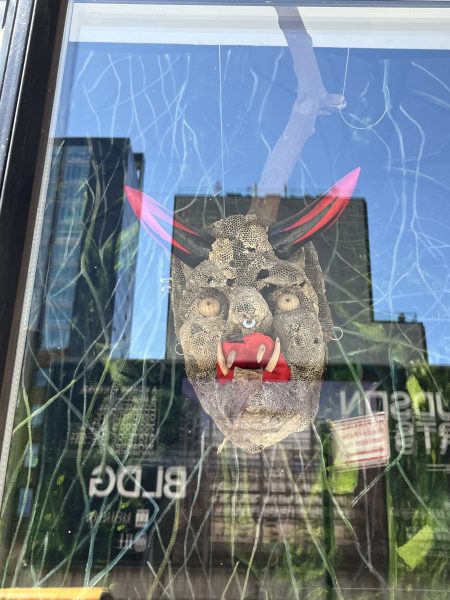
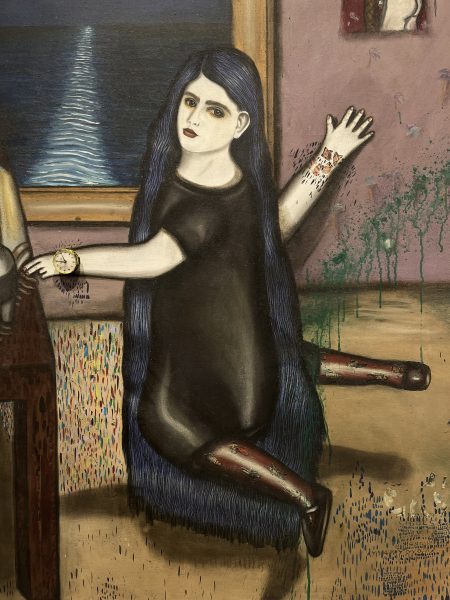
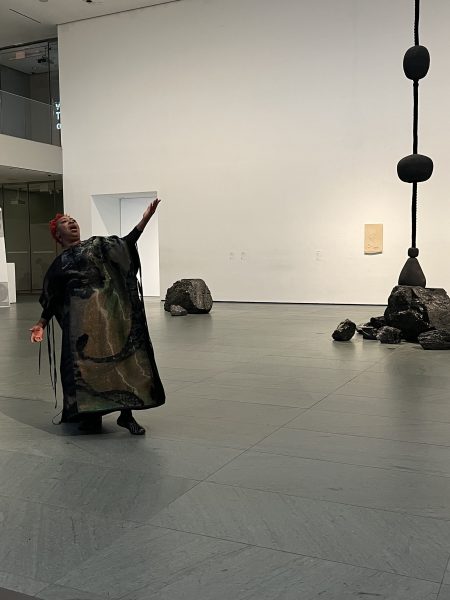
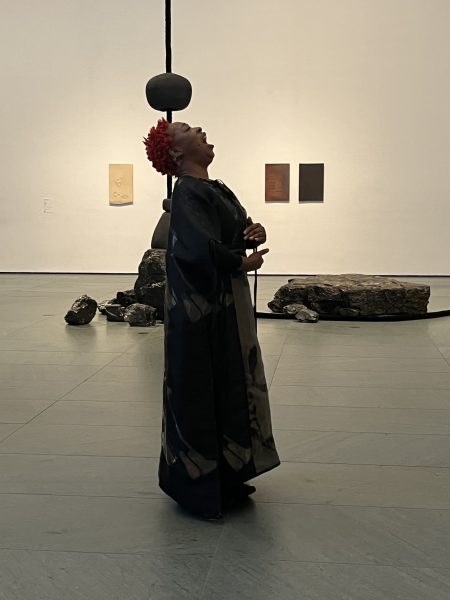
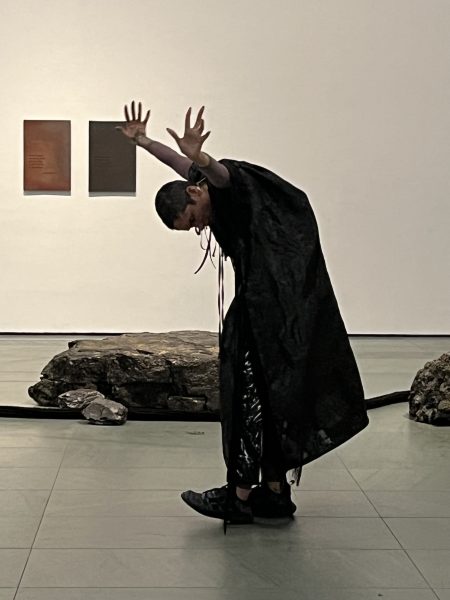
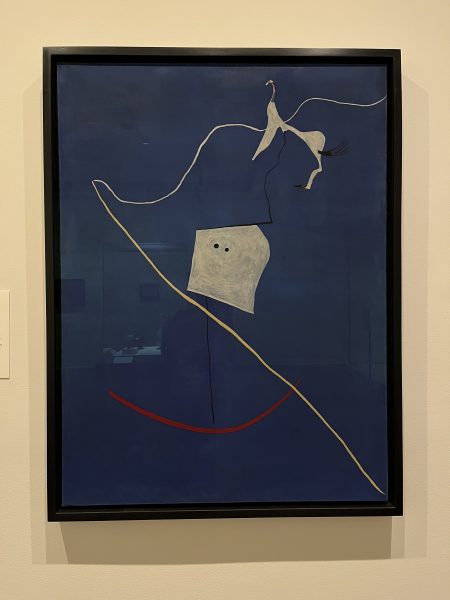
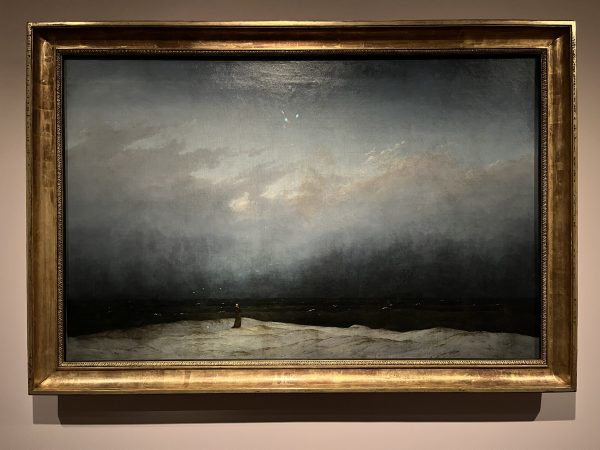
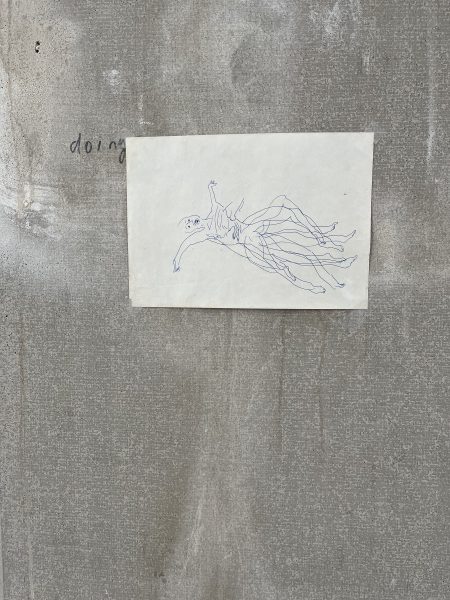
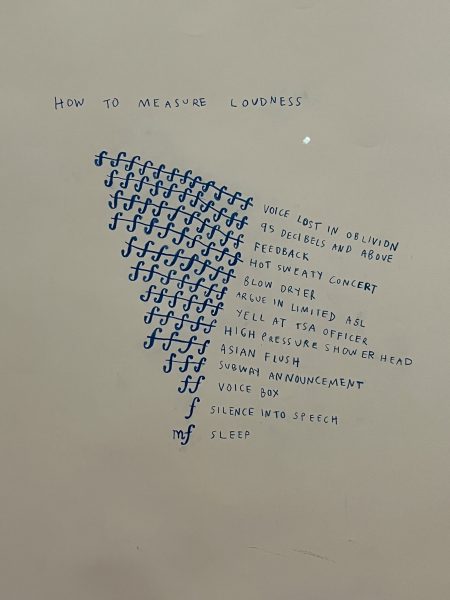
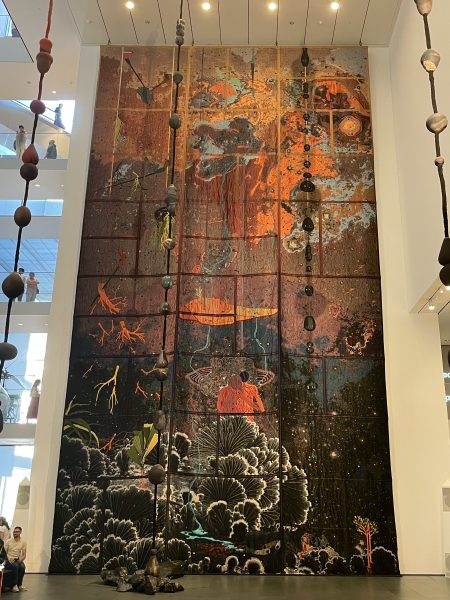
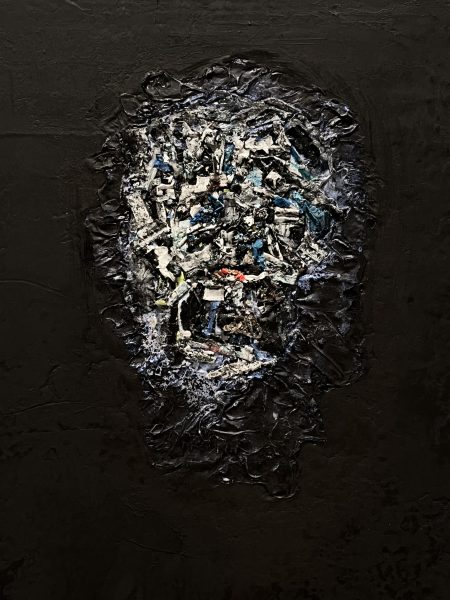
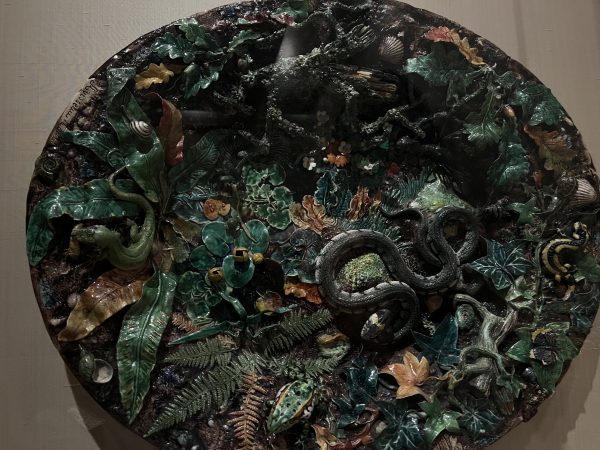
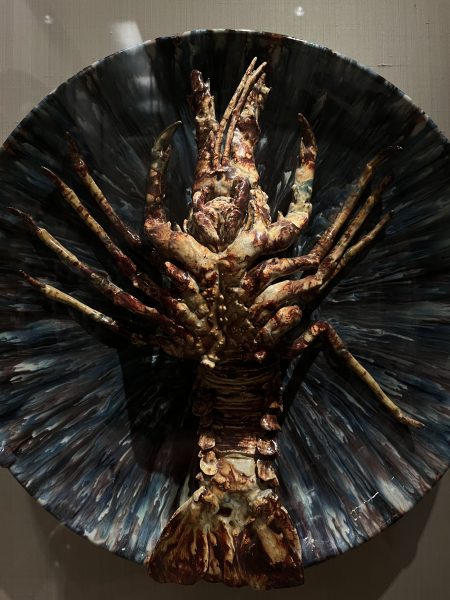
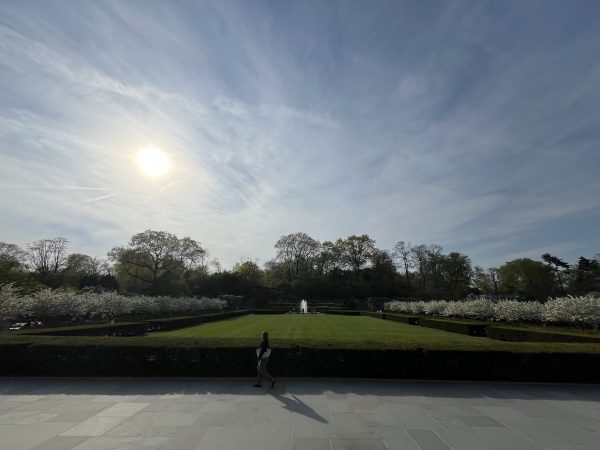
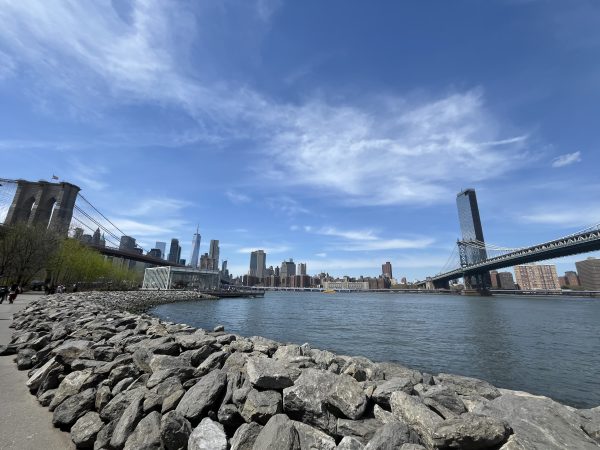
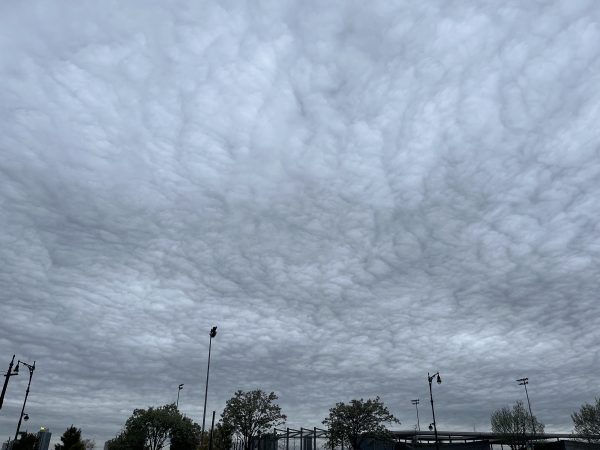
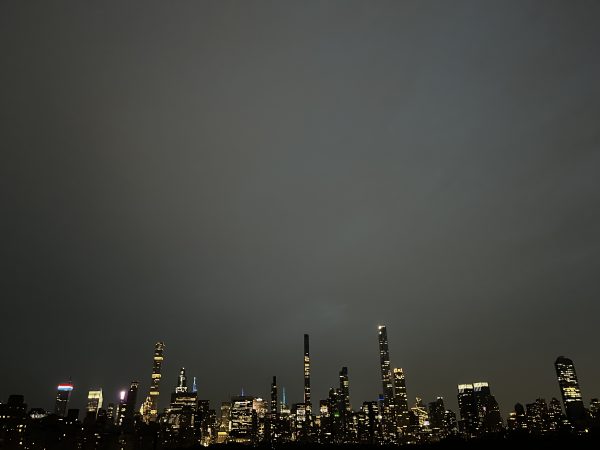
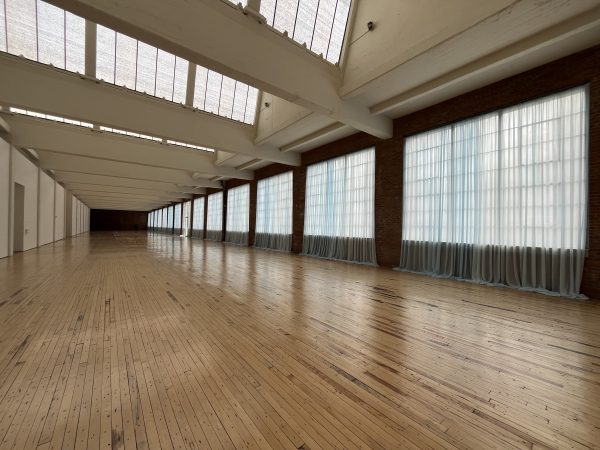
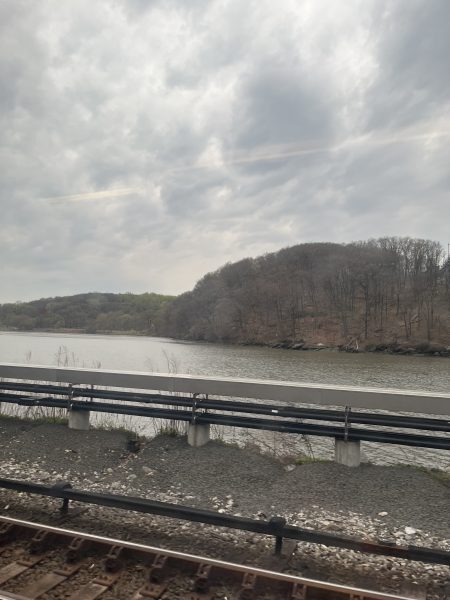
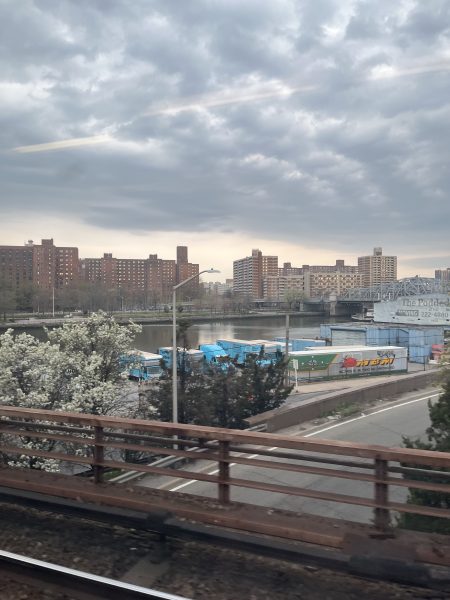
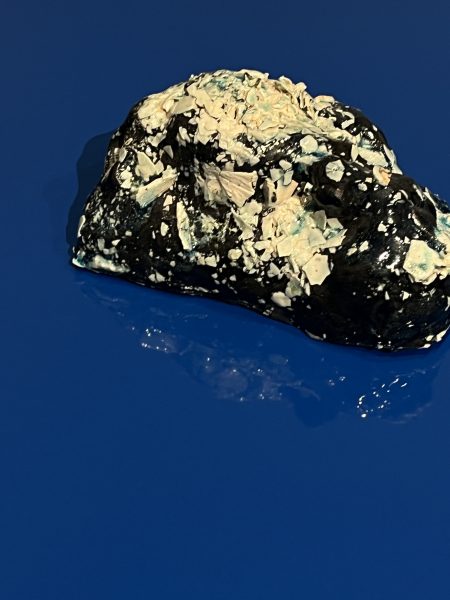
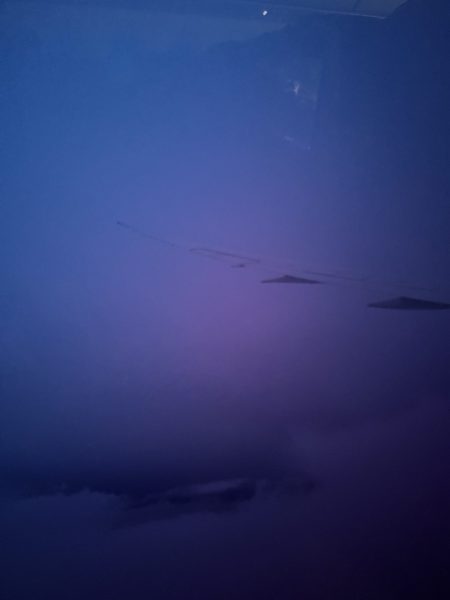
This exercise is a sensorial logbook, a fragmented narrative that seeks to capture the unseizable: the experience of a journey that felt less like a geographic displacement than a detour in time. Written from the memory (or from that diffuse zone where memories merge with impressions, dreams and images), this text is my way of sharing what we lived during our visit to New York during April.
Each fragment was conceived as a stream of consciousness, audio-recorded in my own voice and accompanied by specific images, evoked directly by what is being told or by free association. Rather than recounting an itinerary, this exercise aims to recreate an atmosphere and convey an altered perception of space, body and time.
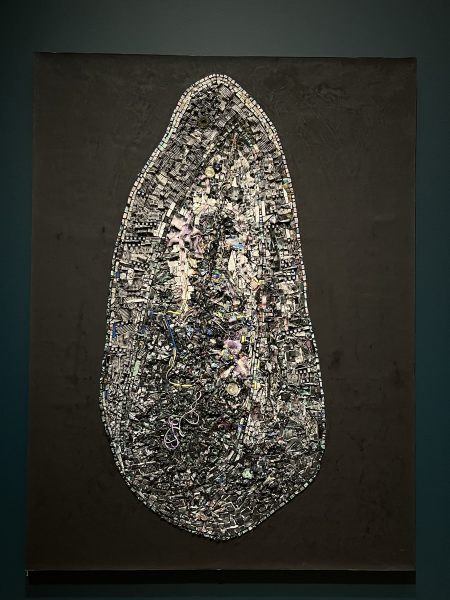
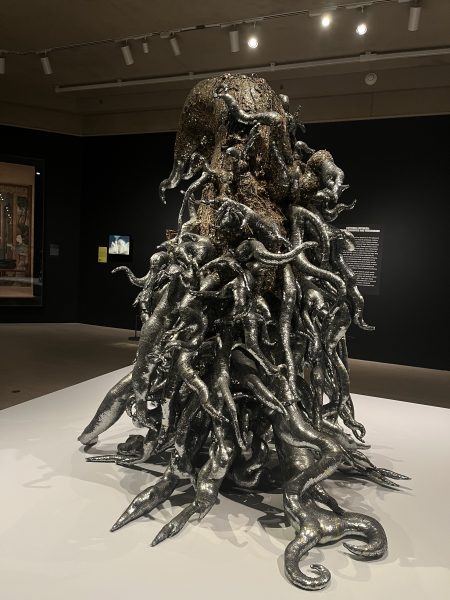
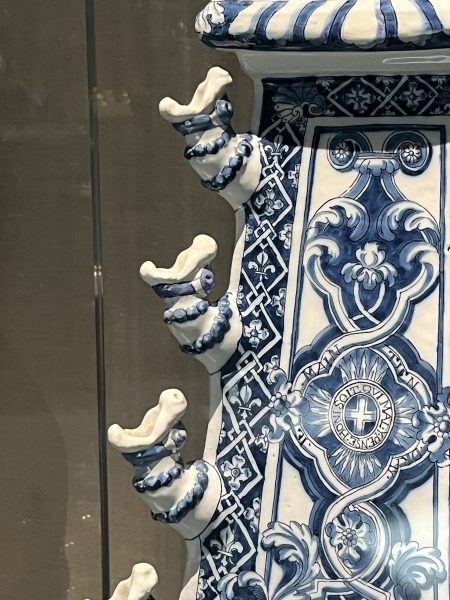
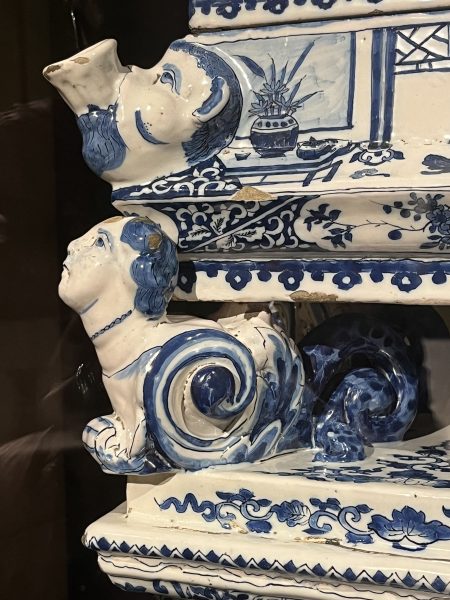
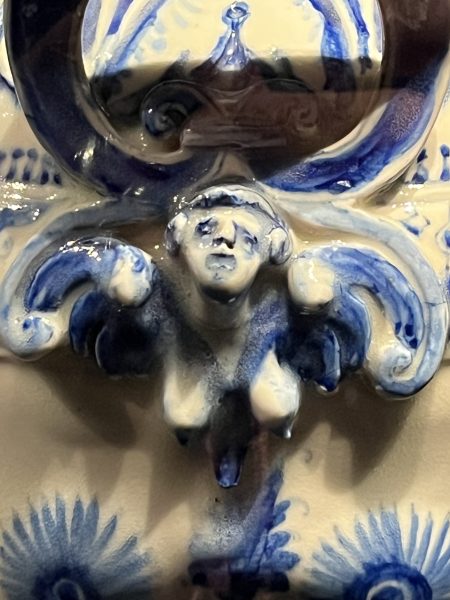
The trigger was a visit to the Monstruous Beauty exhibition at the MET while listening to a museum’s podcast that expanded on the pieces on display. This experience (watching, listening and walking among fragments of female-monsters) unleashed a sort of narrative and visual drift that spilled over into other moments of the trip.
First, the nails
Then, the sky
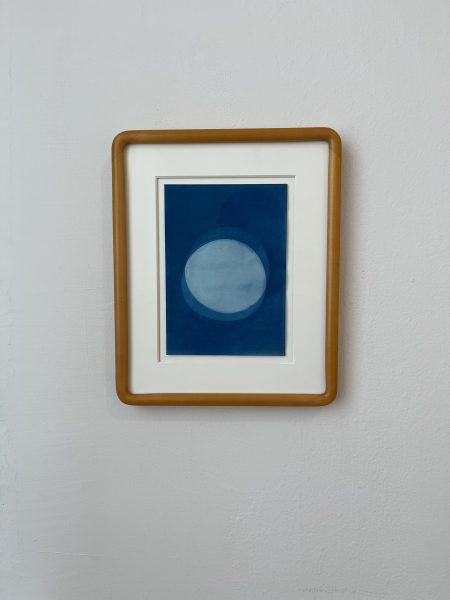
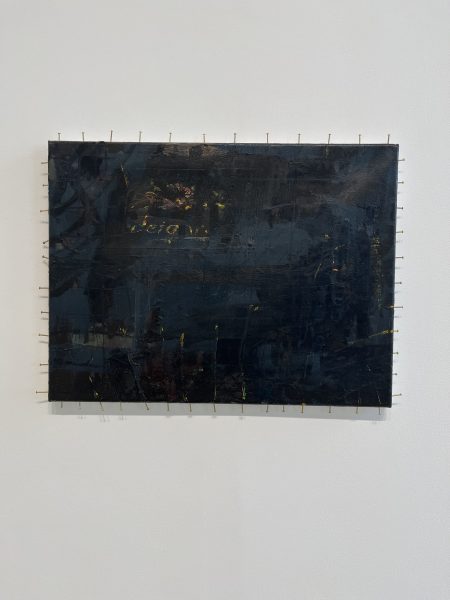
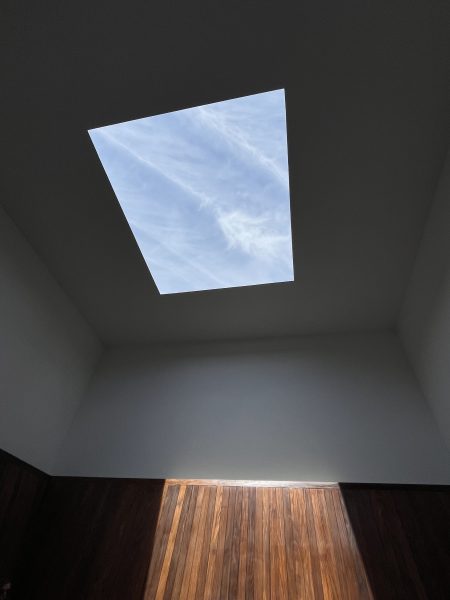
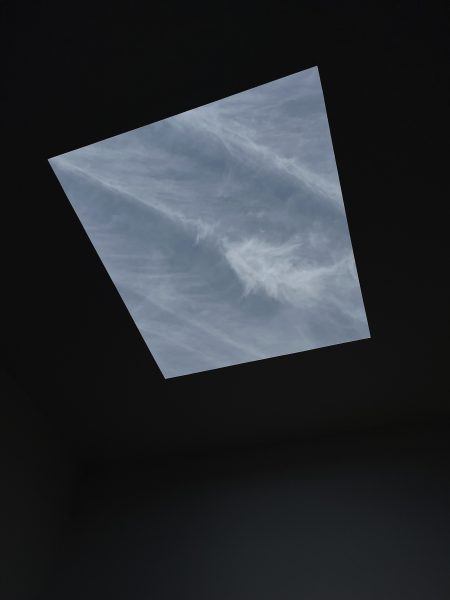
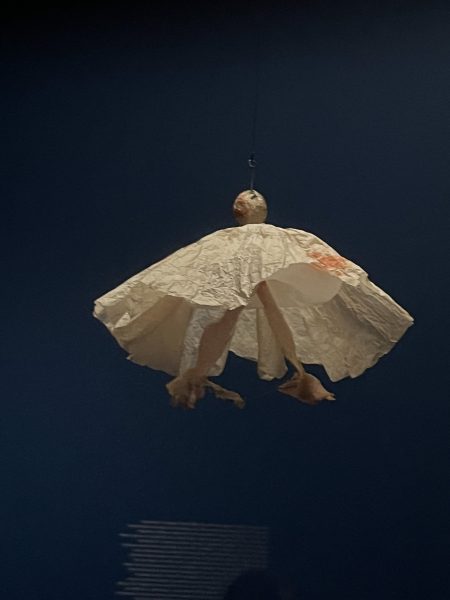
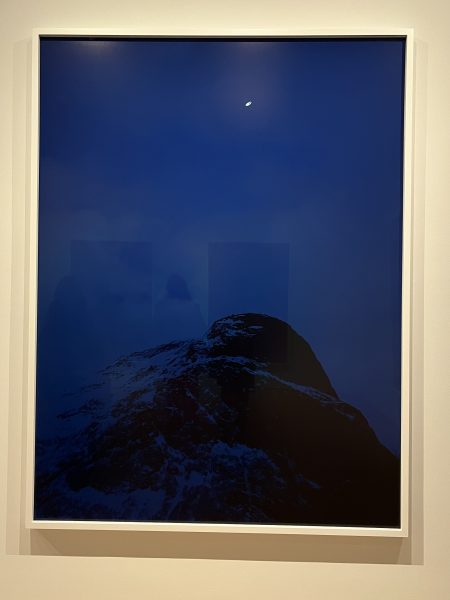
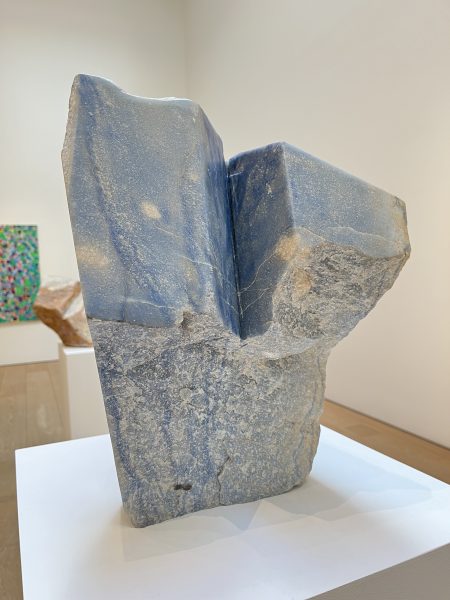
So, I remember the smell
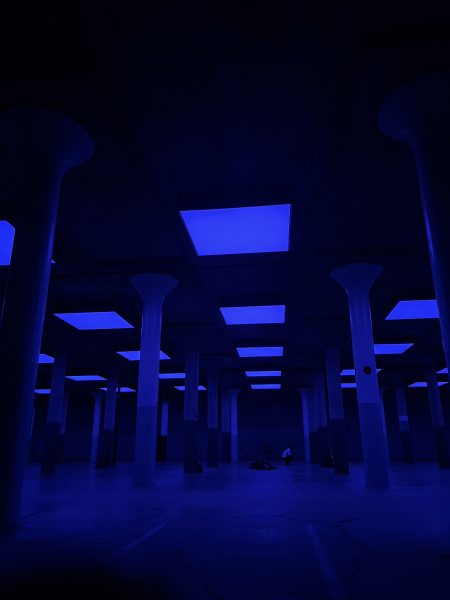
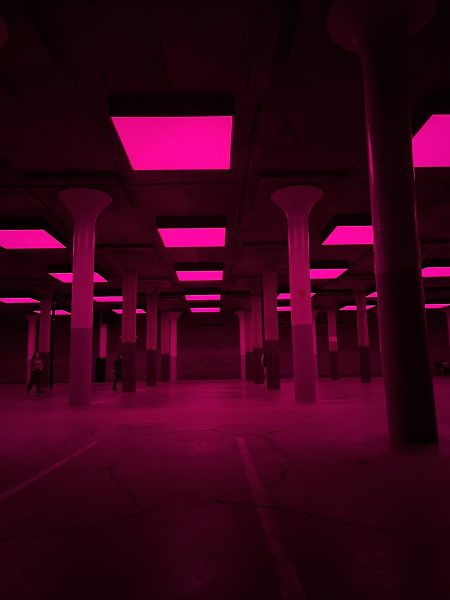
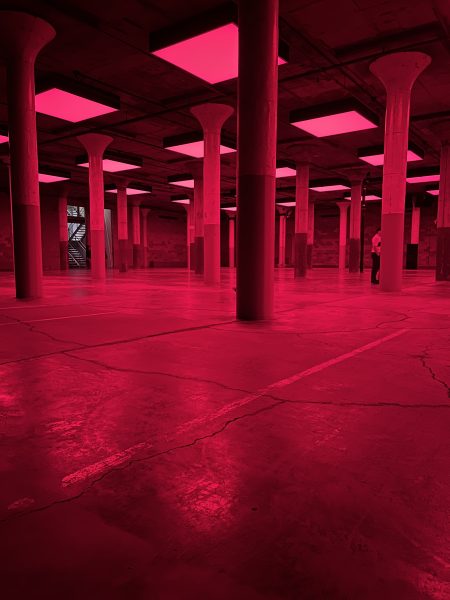
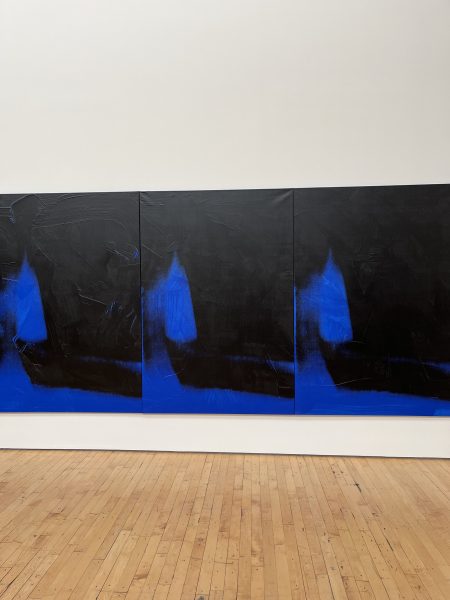
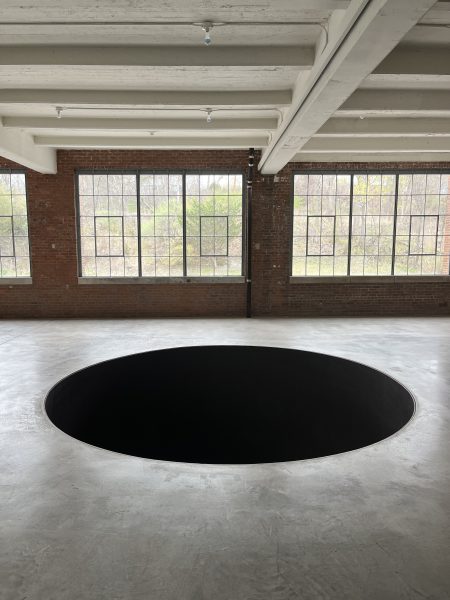
Then the fragments appeared
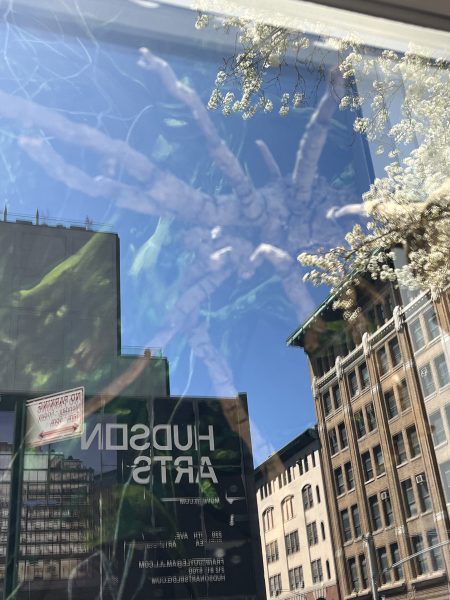
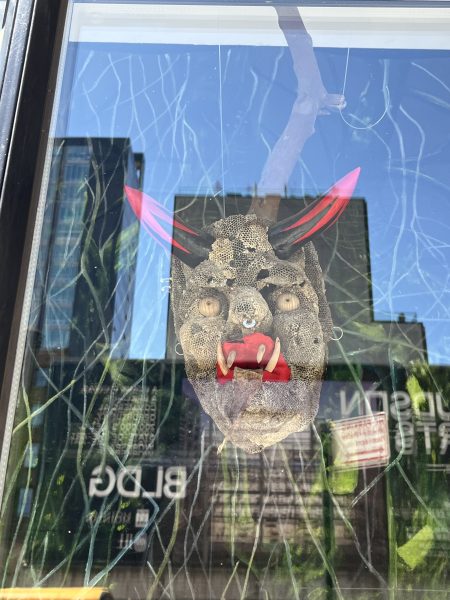
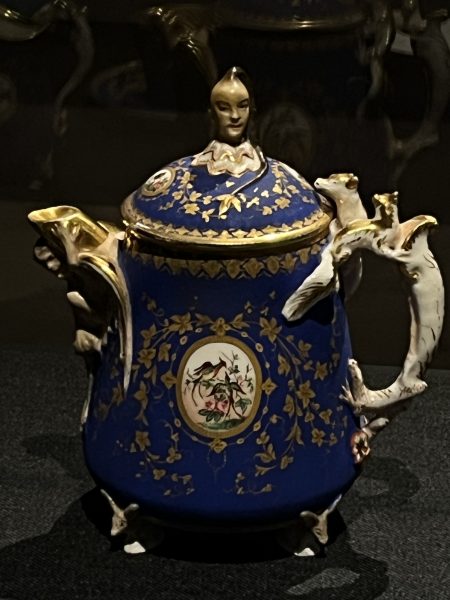
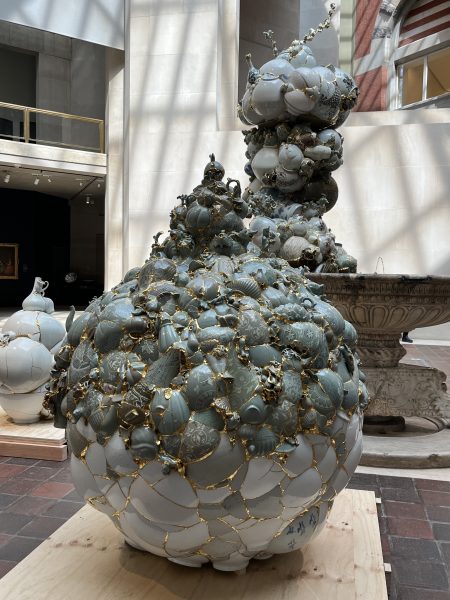
I remember the landscape
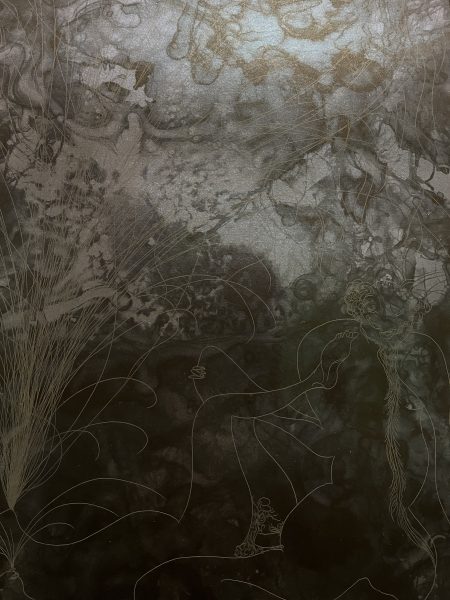
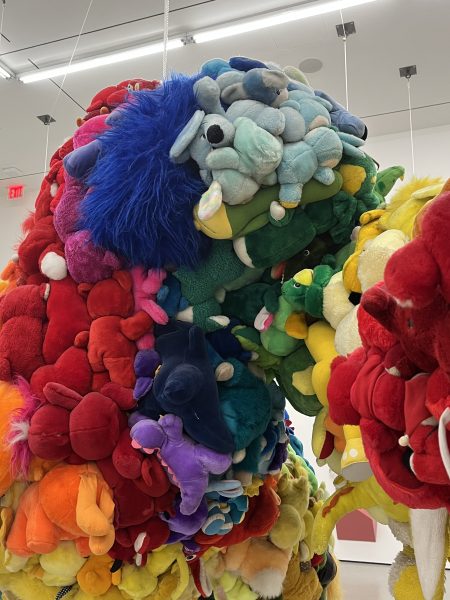
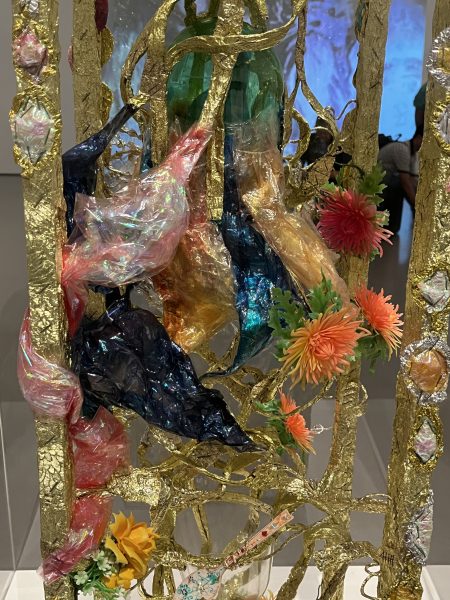
I remember everything like a burst
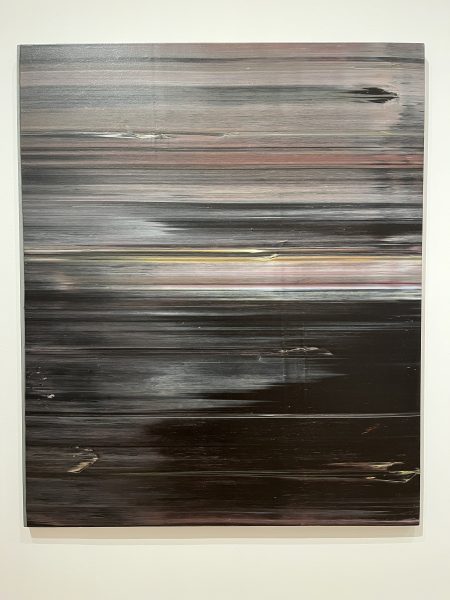
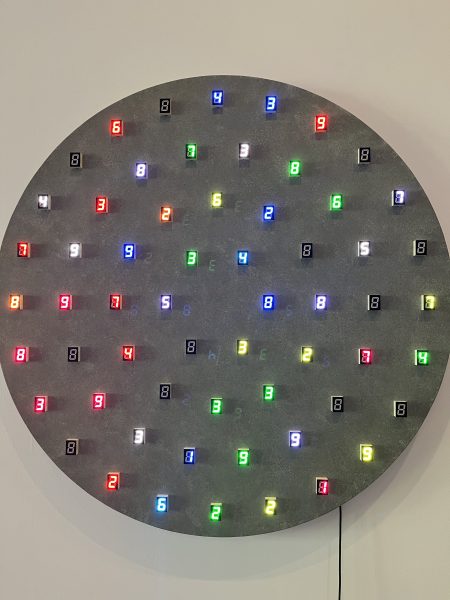
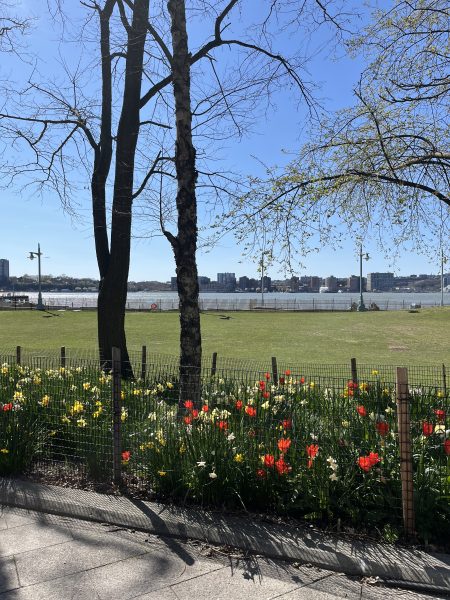
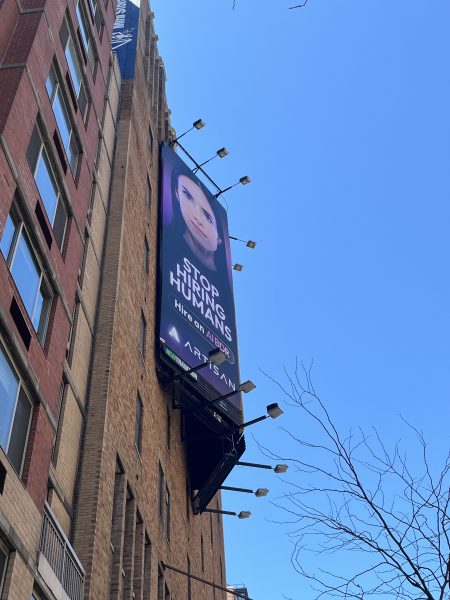
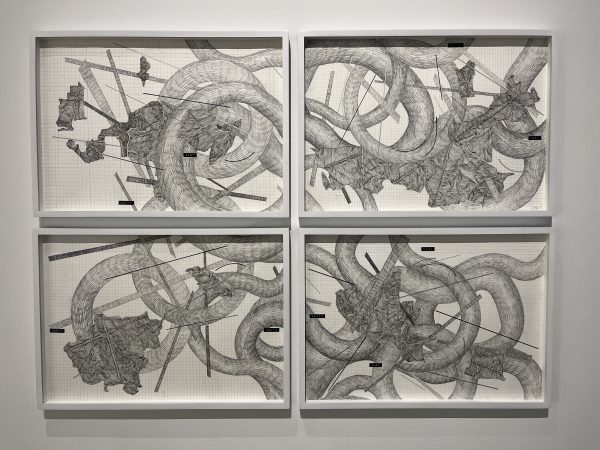
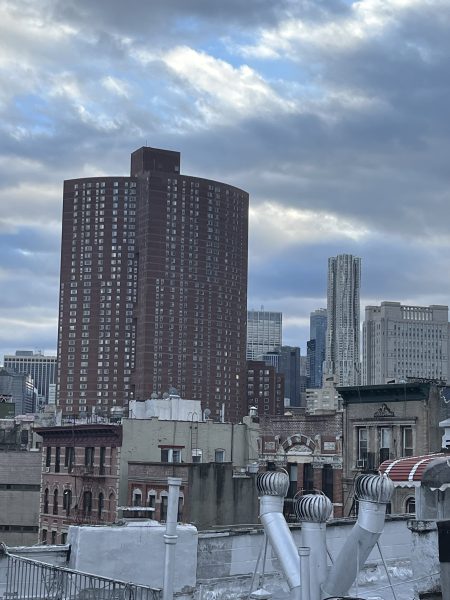
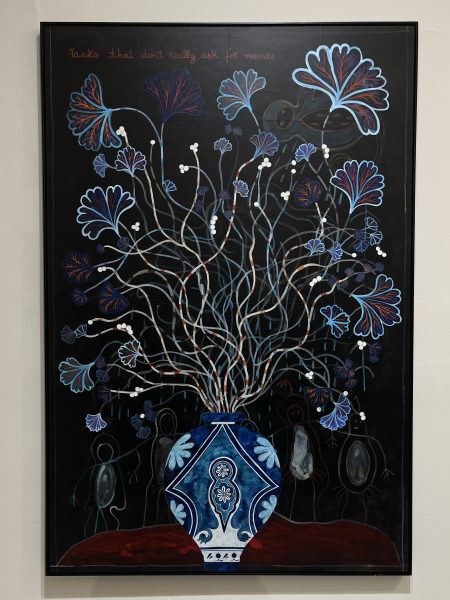
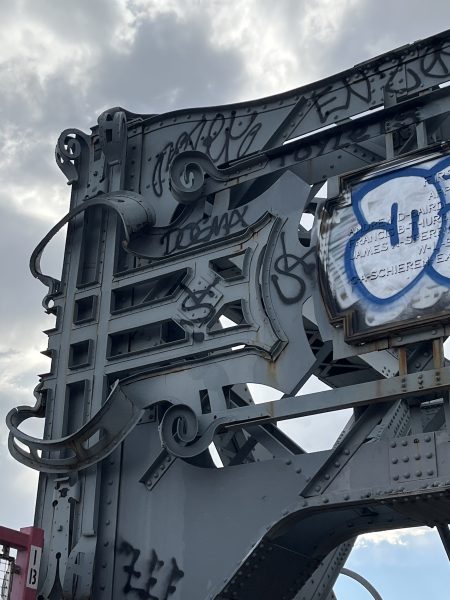
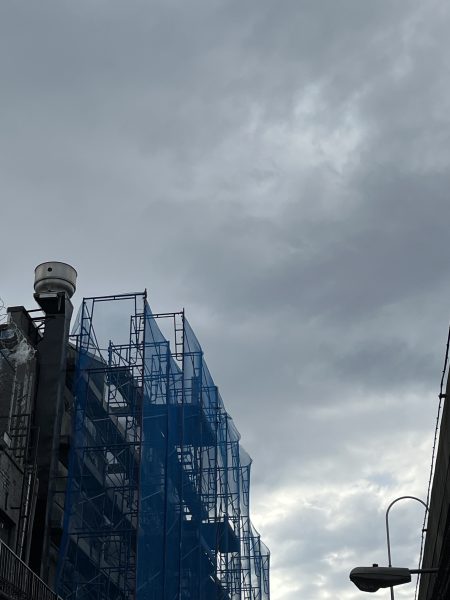
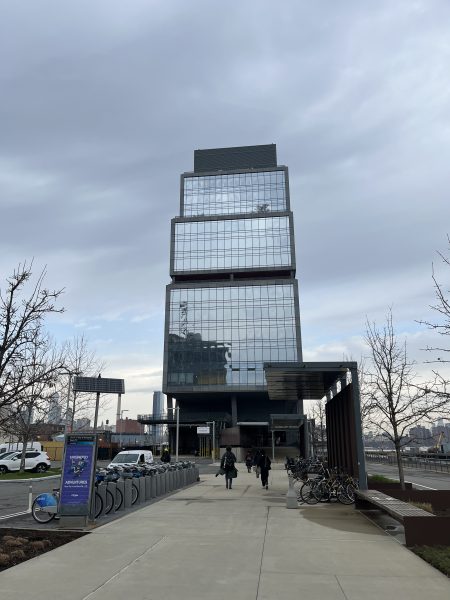
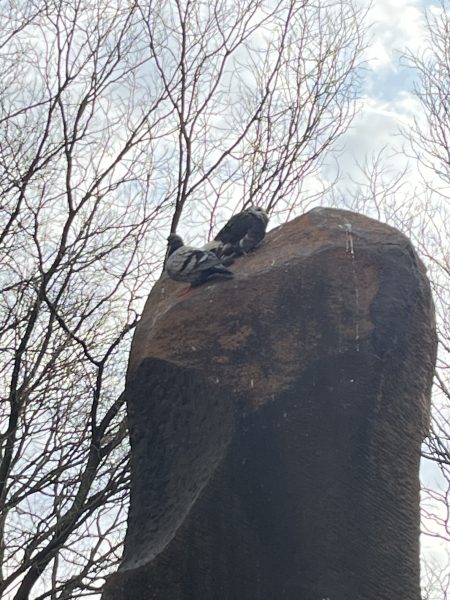
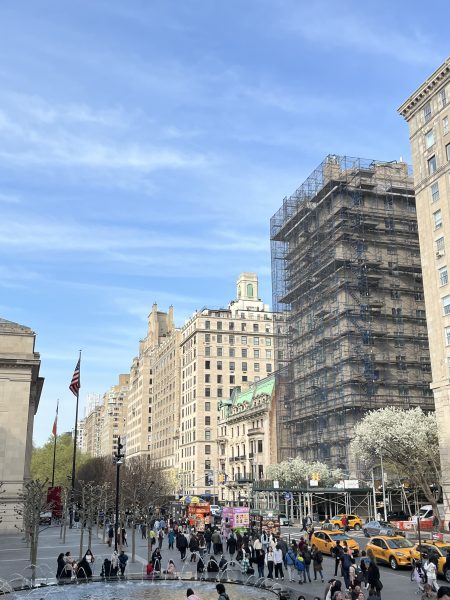
I see the sky again, everything is in constant change
Finally, a plane window
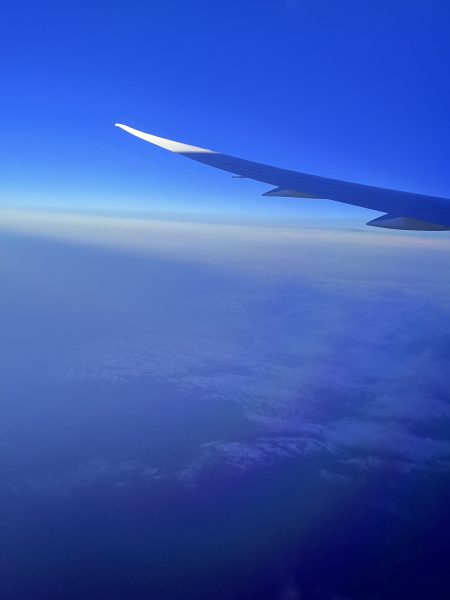
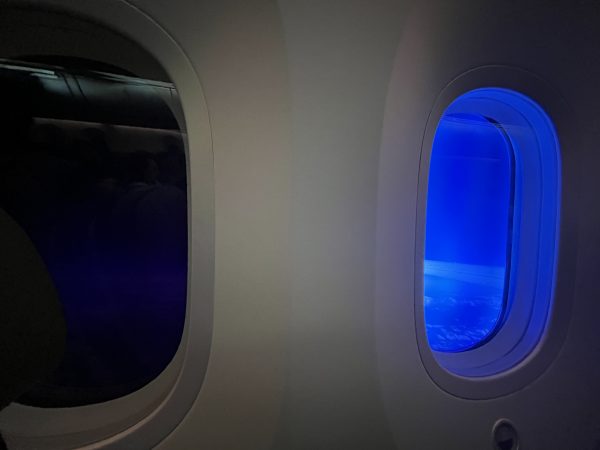
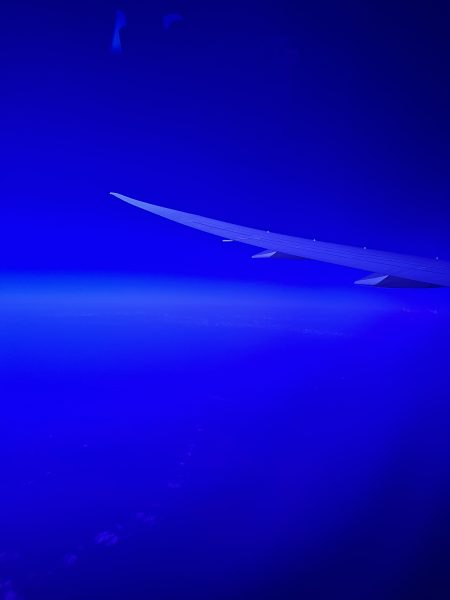
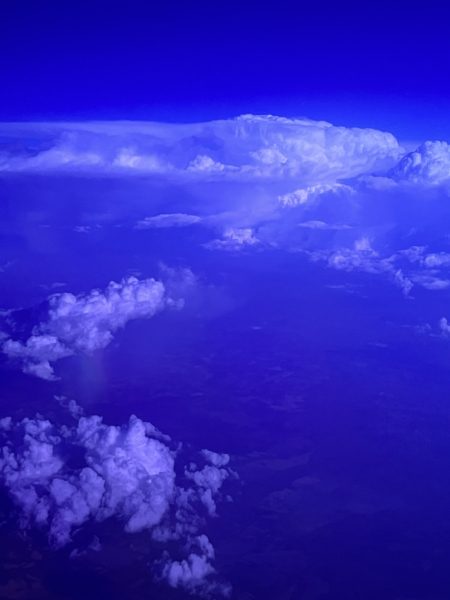
Fernanda Farjeat
Mexico City, 1996
Her practice springs from her anguish regarding the end of the world, announced by science fiction yet made tangible by the recent sanitary, climatic, politic and social events. She works with that anguish and the perpetual fatigue it produces by rehearsing with the body through drawing, writing and action.
Her work has been presented in solo and group exhibitions at spaces such as Biblioteca México, Galería Alternativa “La Esmeralda”, Lolita Pank, El Recinto and Material Art Fair. She graduated from ENPEG “La Esmeralda” and has taken part in programs such as the Certificate in Production at CaSa (Oaxaca) and the Programa Educativo SOMA (SOMA Study Program).
Daniel C. Fernández
Travel Journal
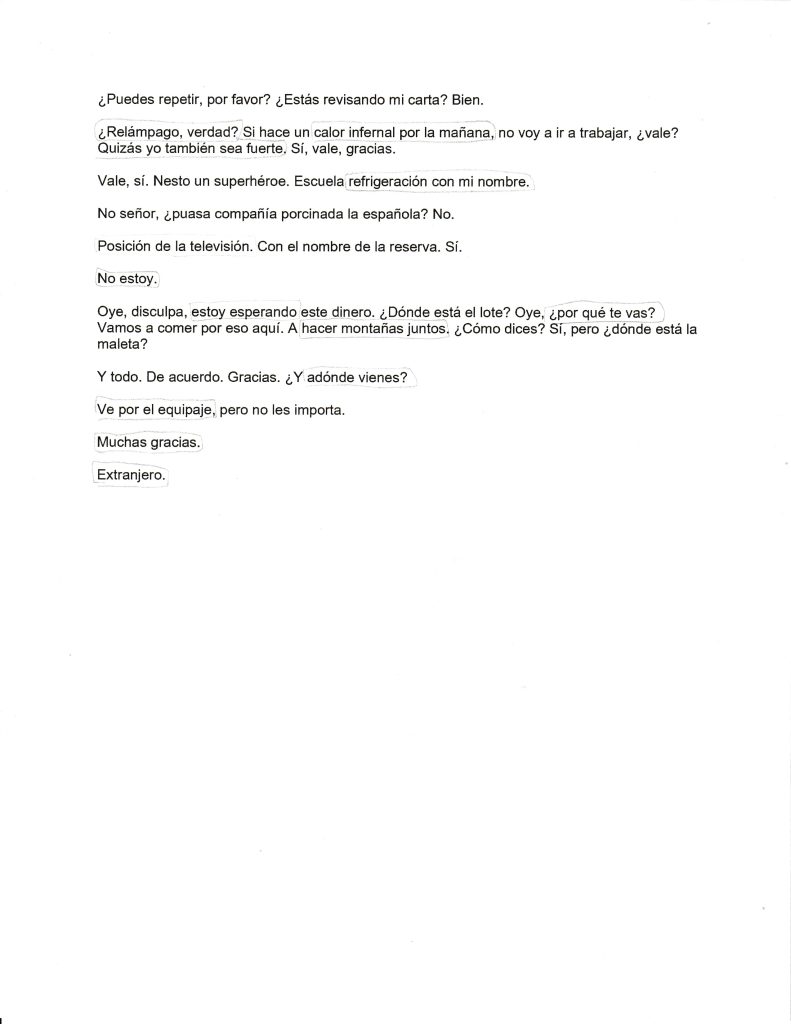
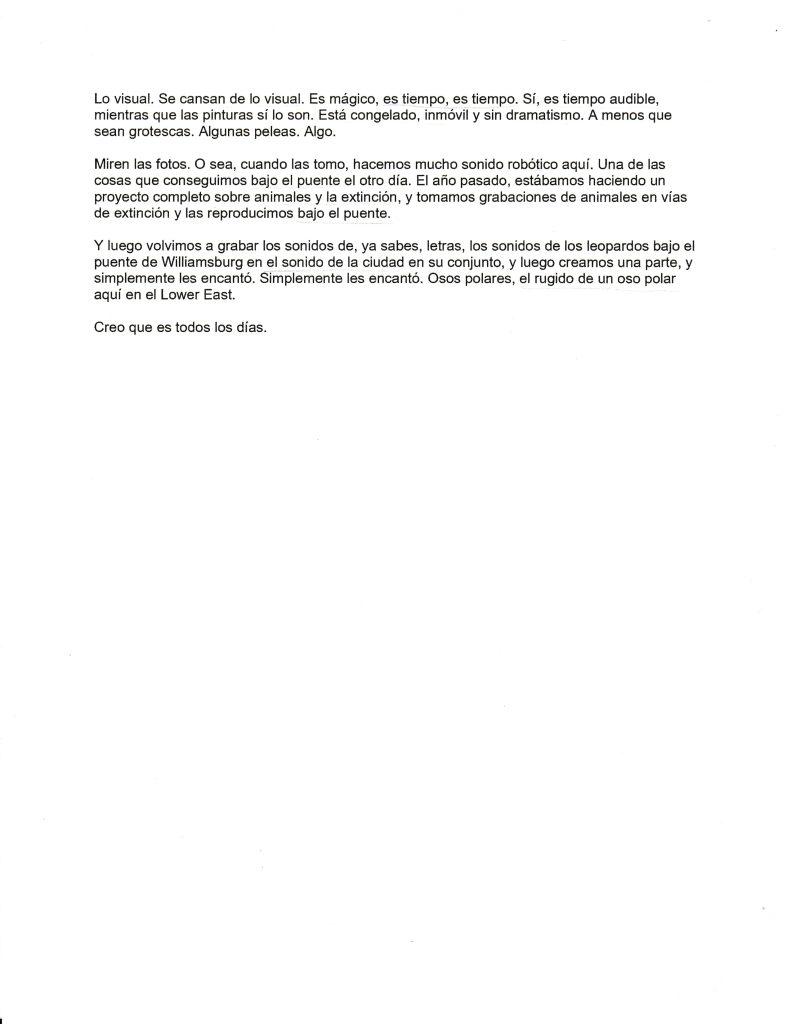
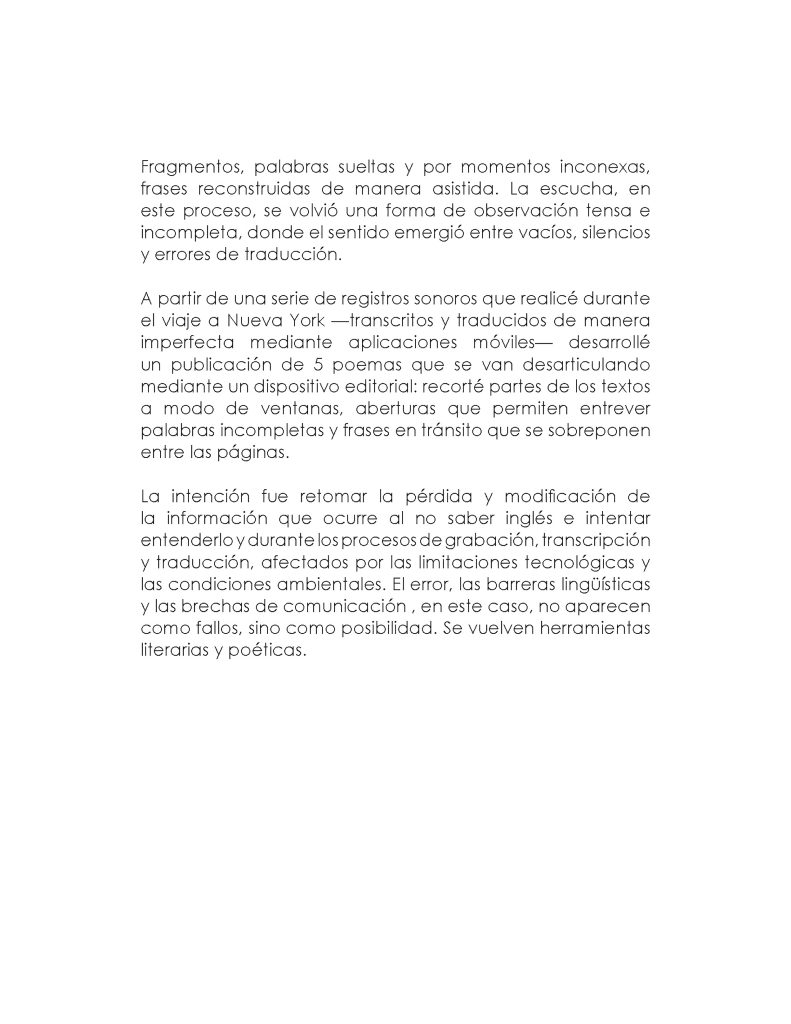
The travel journal I elaborated emerges from the impossibility of communicating myself in English during the trip to New York City. This linguistic barrier led me to depend on mobile apps to transcribe and translate fragments of the conversation and the guided tours with various cultural agents during visits to museums, galleries and independent spaces, in an attempt to understand, if partially, what was being said. My understanding in these situations was always imperfect, mediated by fragments, stray words, and phrases reconstructed through assisted media. Listening became a tense form of observation, an incomplete one, where meaning surfaced from the gaps, silences and translation errors.
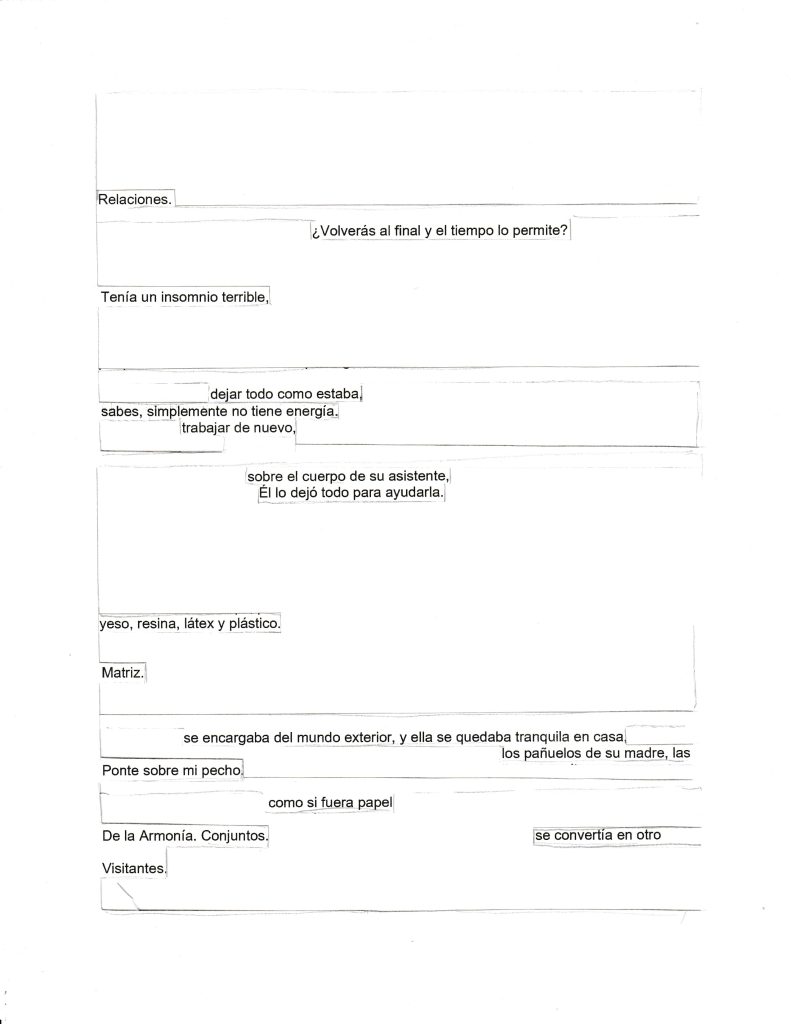
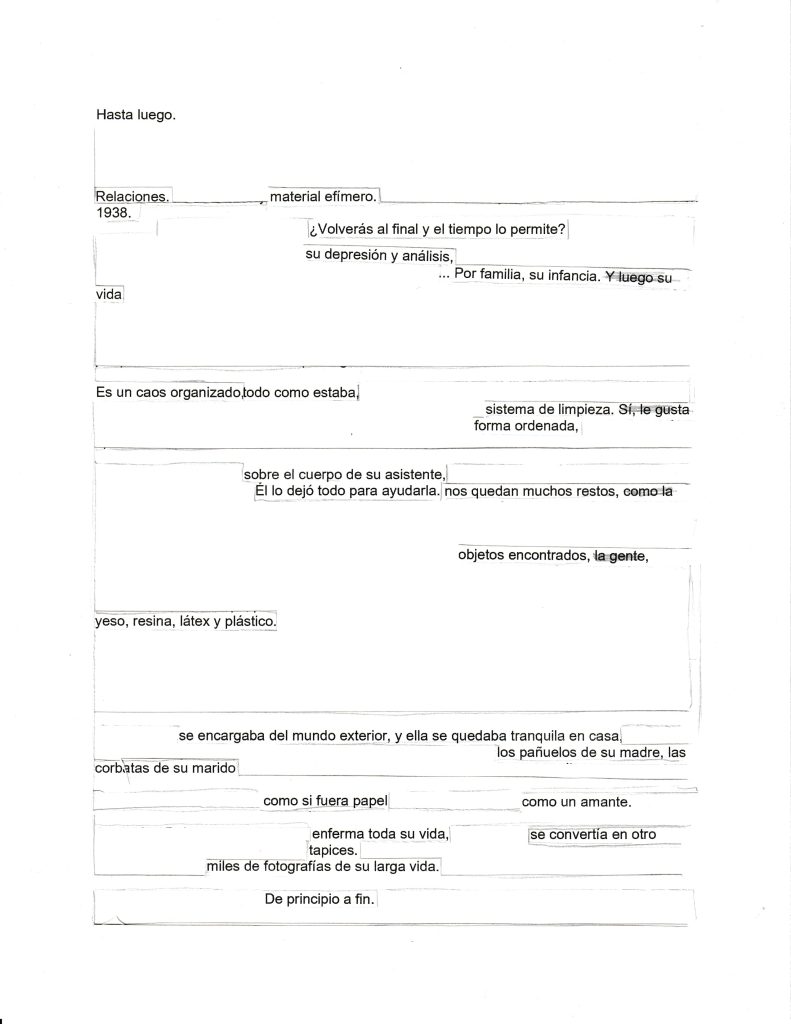
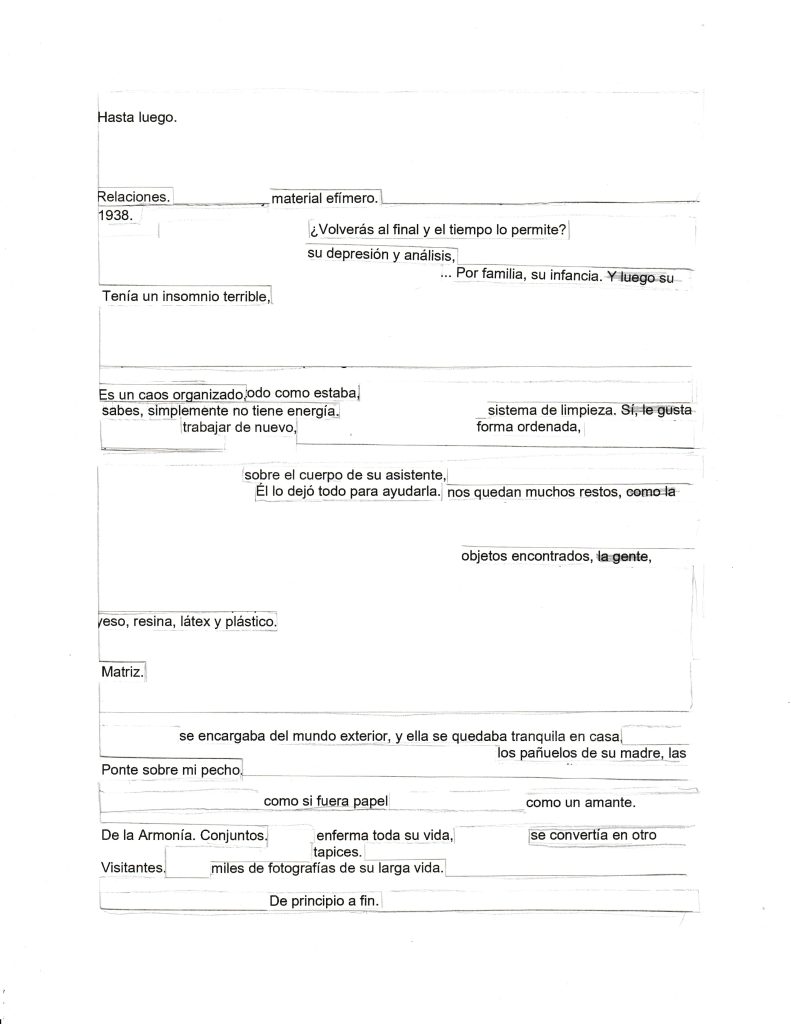
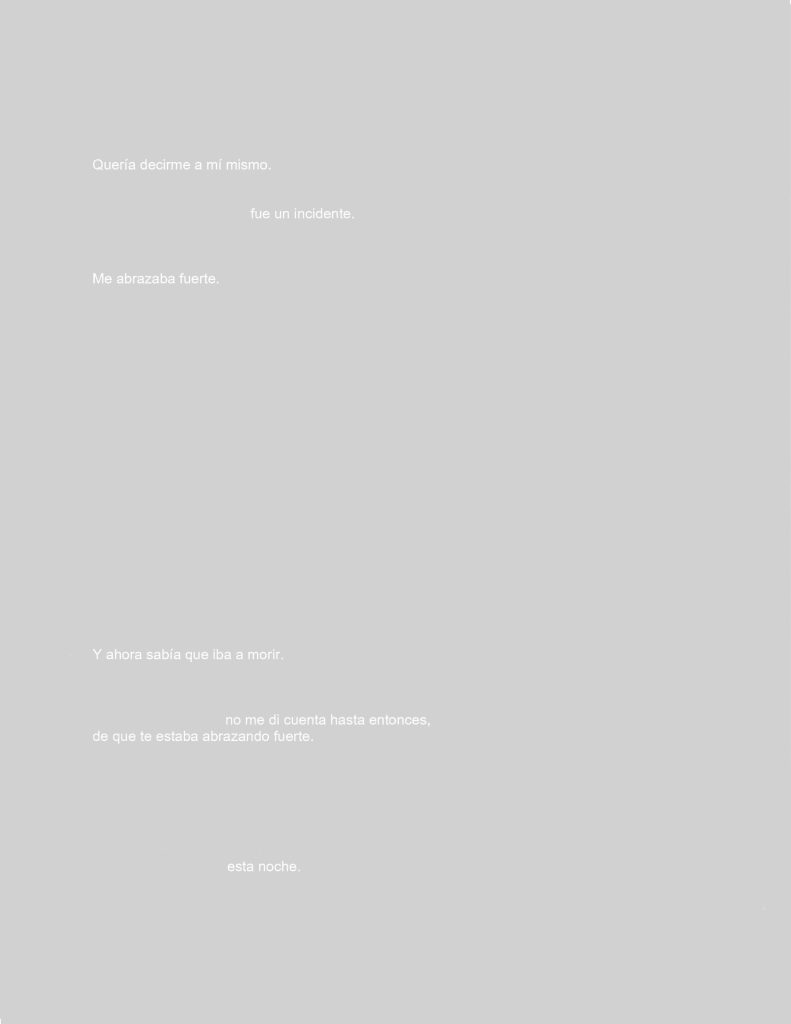
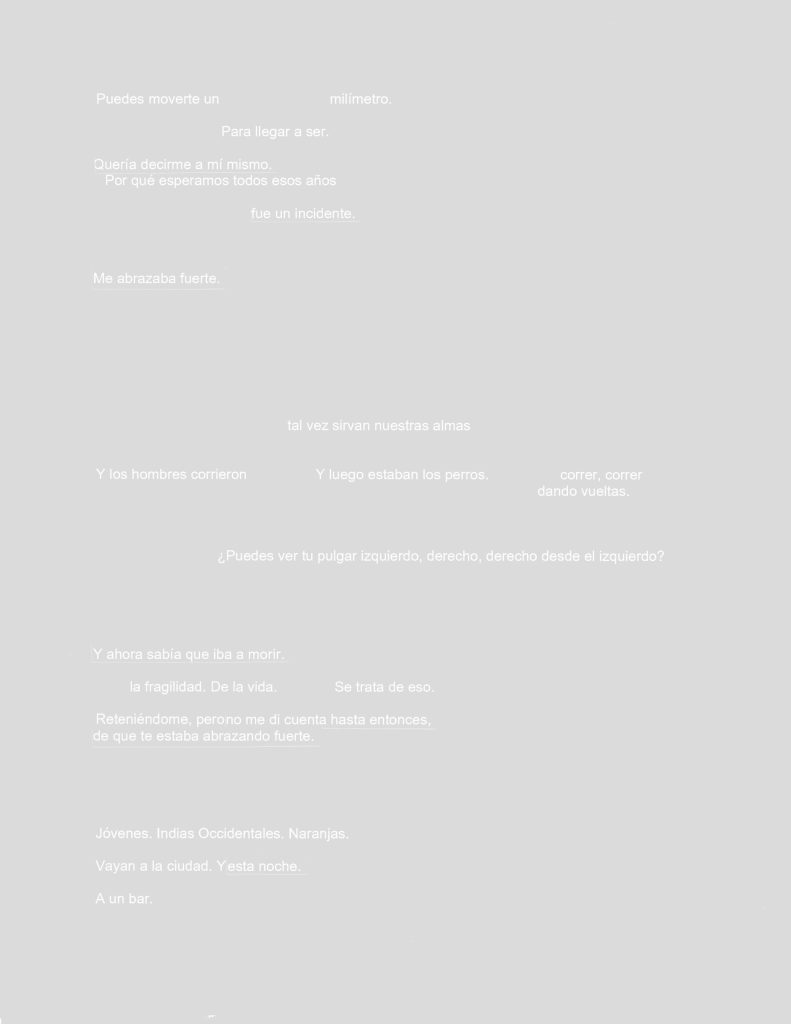
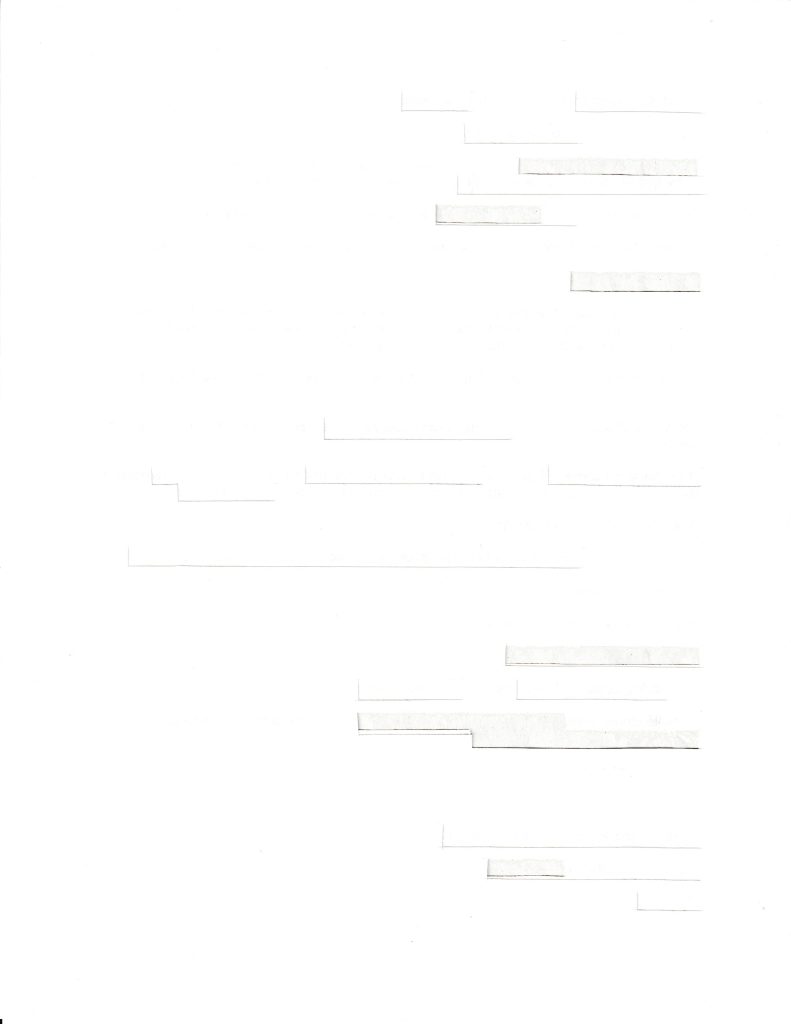
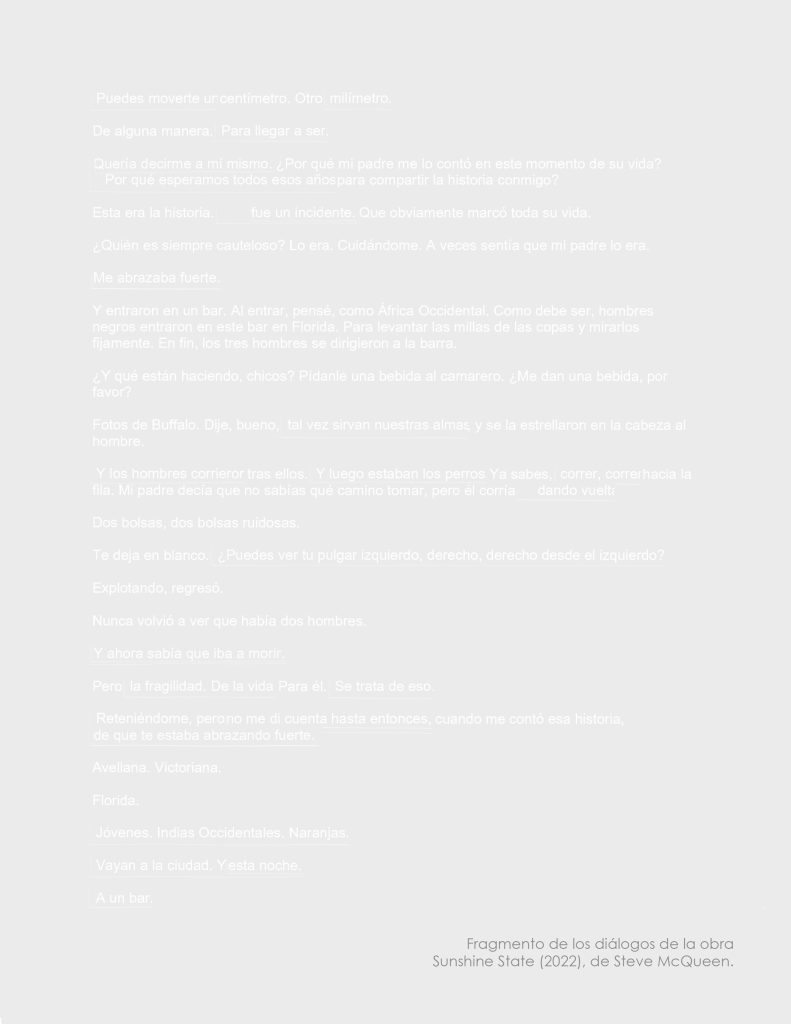
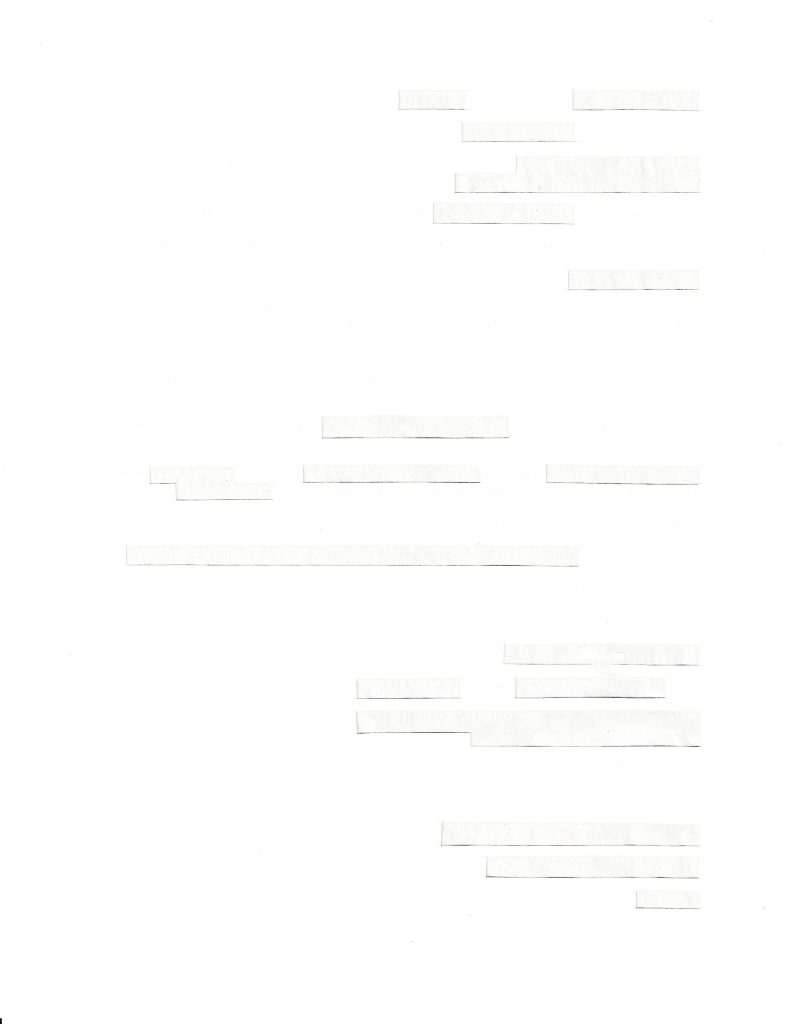
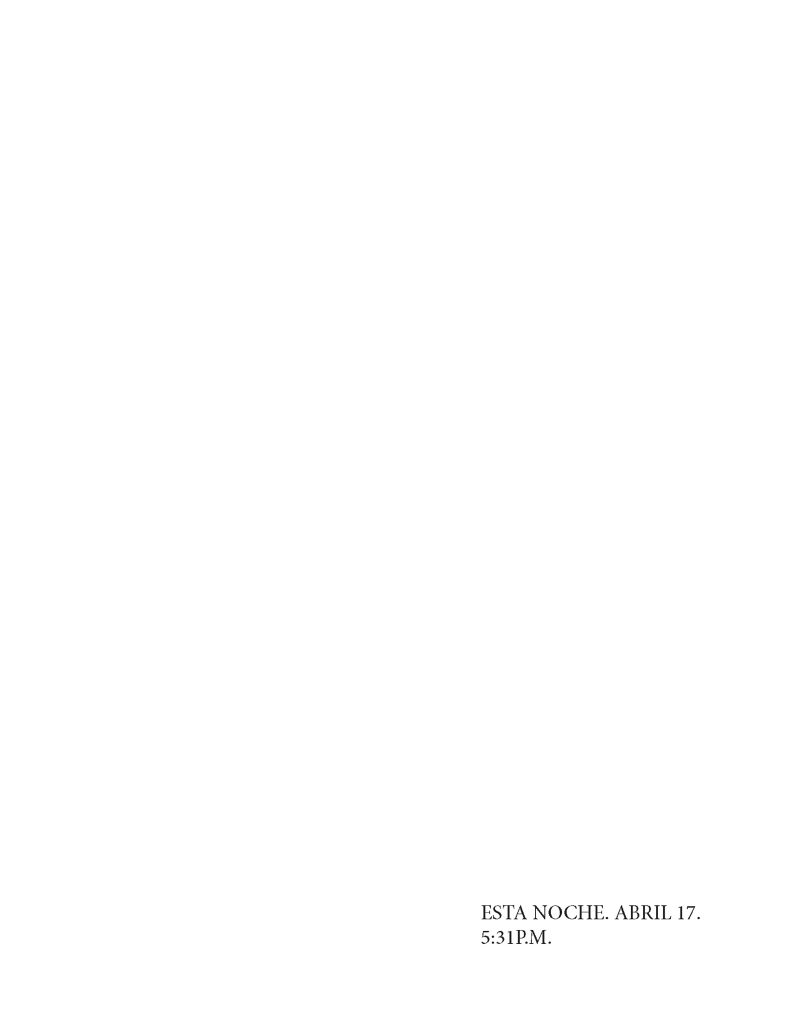
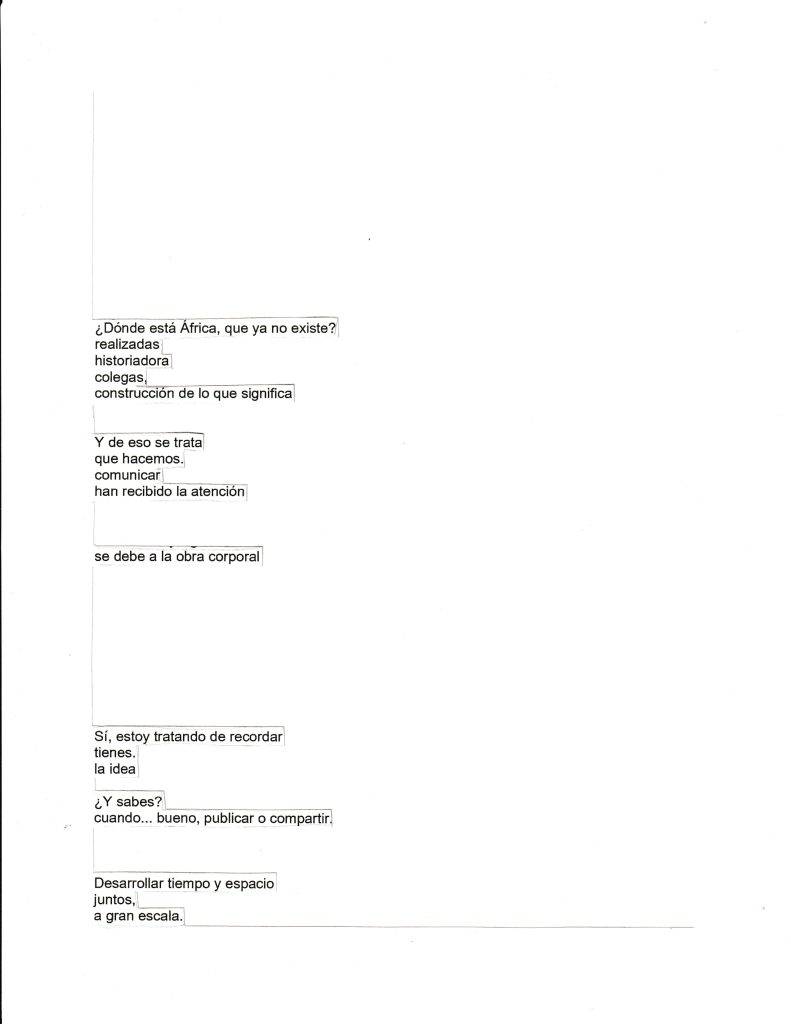
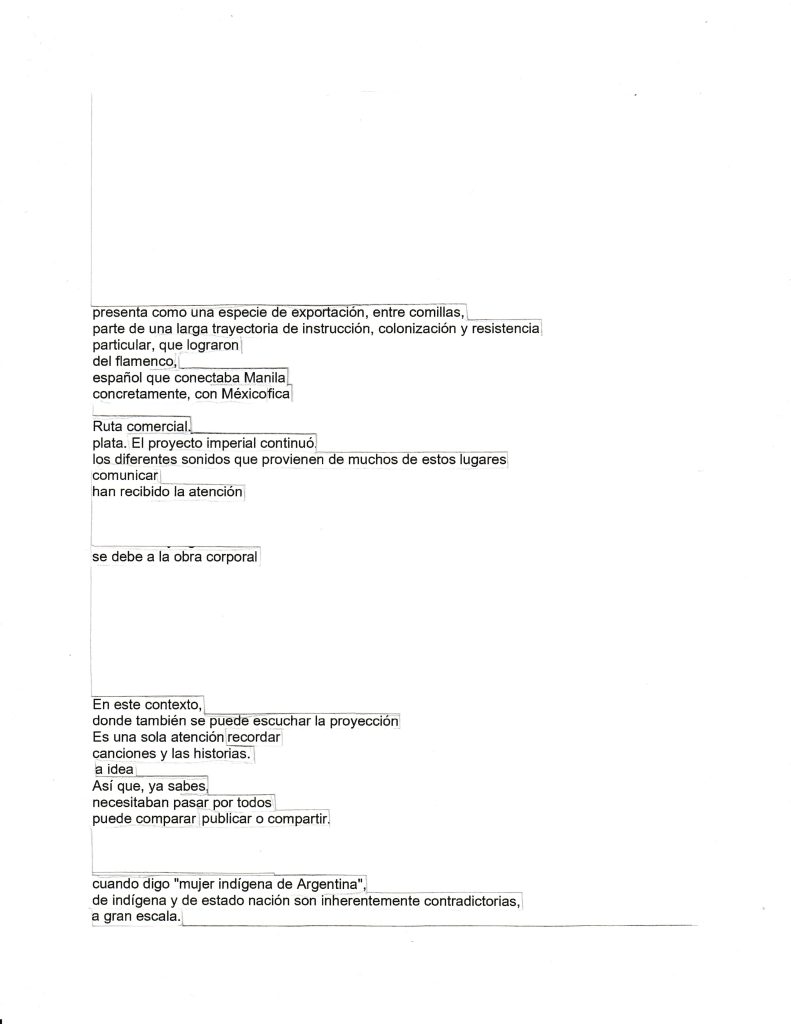
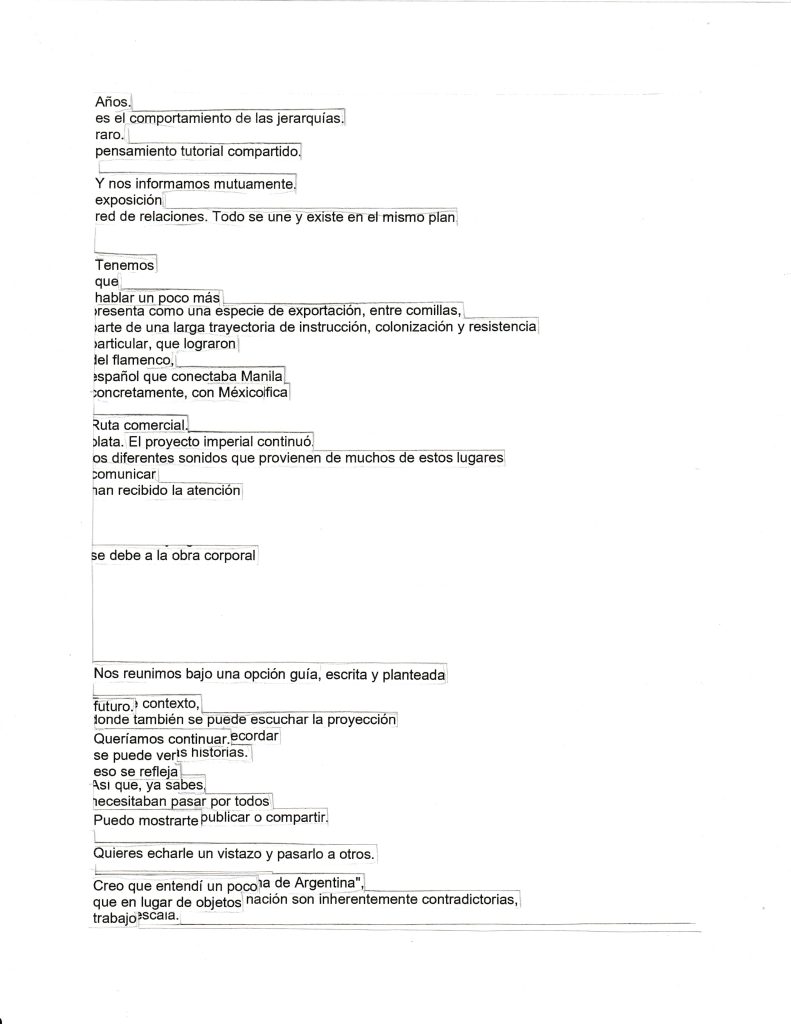
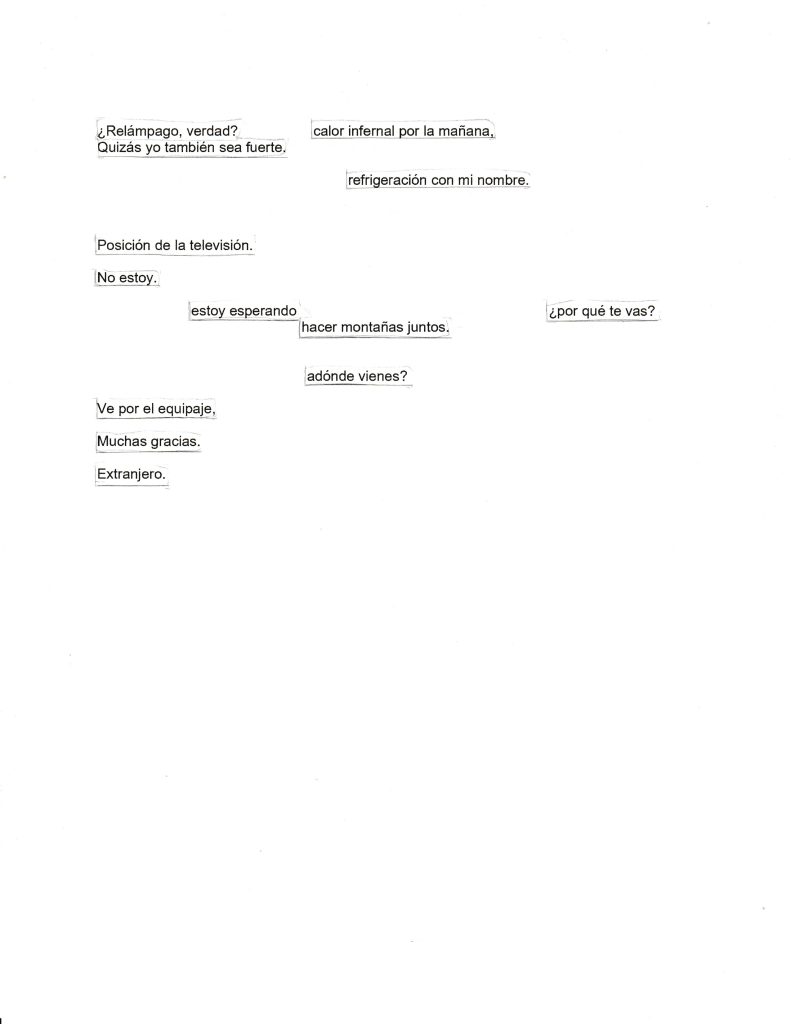
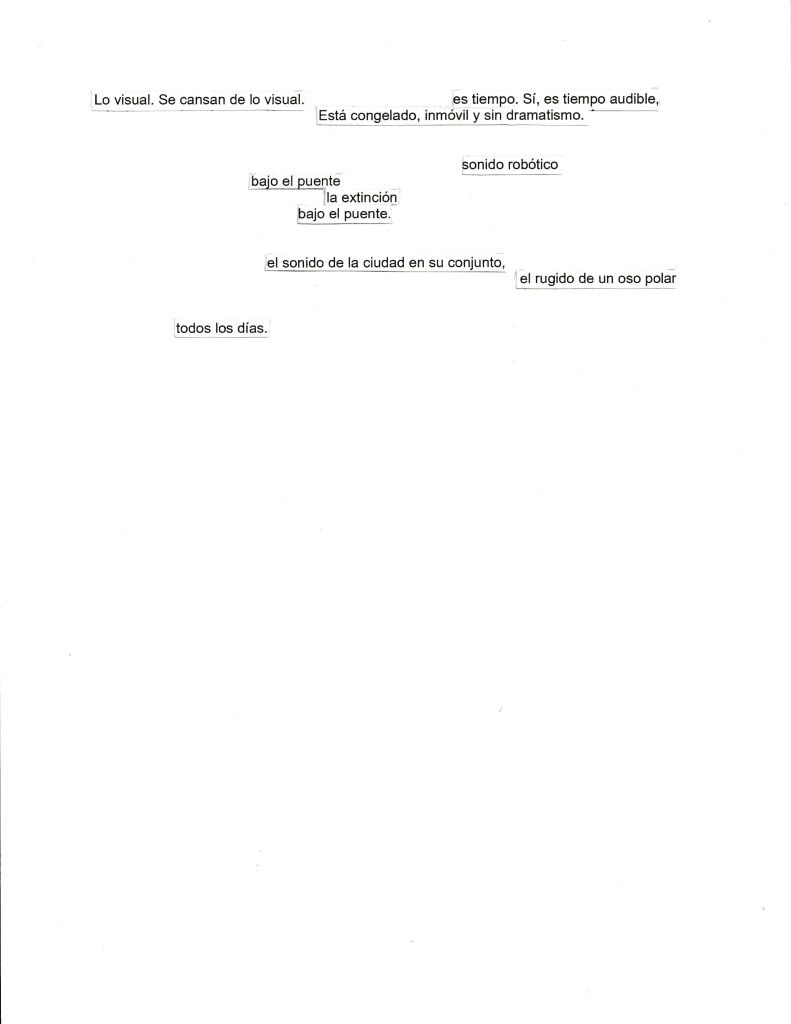
Starting from the sounds that I recorded, I selected a series of audio clips and translated them using a mobile app. Later, these texts were translated into Spanish. With this material I developed a poetry book using an editorial device: I cut out fragments of the texts, creating small windows through which parts of words and phrases from the following page glimpse. My intention was to engage with the alterations and losses that occur during recording, transcribing and translating, involving technological limitations and ambient conditions, in order to use the error as a poetic and literary tool.
The poetry book was conceived as an object that materializes this experience of fragmentary understanding: as the reading progresses, the texts overlap and distort. Thus, the poem is continuously transformed, emulating how my understanding of English remained in a constant process of assembling and disassembling through fragments, errors, words, intuitions, and partial meanings. The result is a reading in transit, one that doesn’t seek a fixed meaning, but to inhabit the instability of language and the experience of incompleteness while moving through a city where the language creates a communication gap.





















Daniel C. Fernández
State of Mexico, 1997
He is a visual artist working across various media such as installation, sculpture, drawing and painting with a special interest in the material, plastic and poetic qualities of objects. By making inscriptions on found objects and through the crossing of various temporalities and meanings, he seeks to activate the energy that is accumulated within objects, the everyday life witnesses. His artistic production becomes the sensible materialization of how he moves through and inhabits the city.
He is currently part of the 2023-2025 SOMA generation and a recipient of the Program for the Promotion of Artistic Creation and Development of the State of México (PECDA, 2024-2025). He was awarded the Jóvenes Creadores grant from FONCA (2022-2023). His work has been selected for the Alfredo Zalce National Biennial (2024, Michoacán), the National Young Art Encounter (2023, Aguascalientes), the José Anastasio Monroy National Painting Biennial (Guadalajara, 2024 and 2022), the Julio Castillo National Painting Biennial (Querétaro, 2022), the “ARTEMERGENTE” National Biennial (Monterrey, 2019), and the PARÁMETRO 05 (2023) and PARÁMETRO 03 (2018) biennials at the Museo de la Ciudad de México.
Alma Camelia Flores
Travel Journal
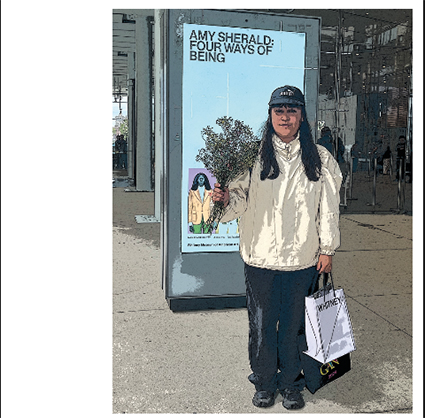
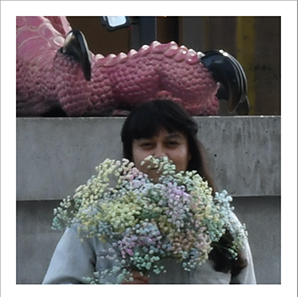
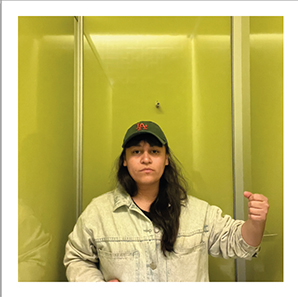
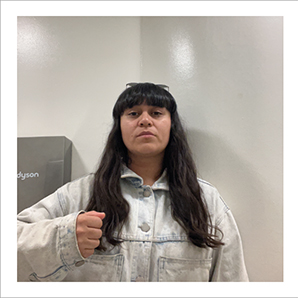
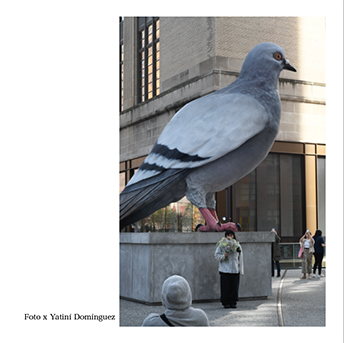
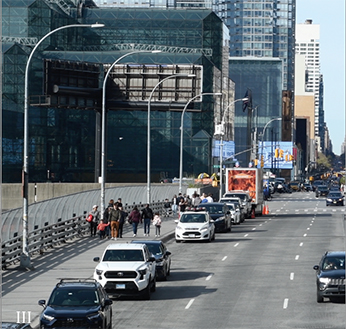
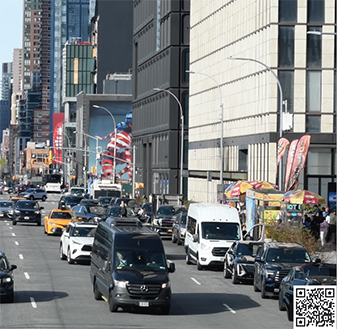
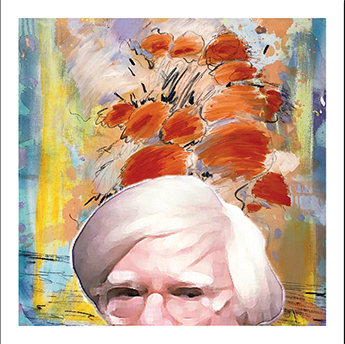
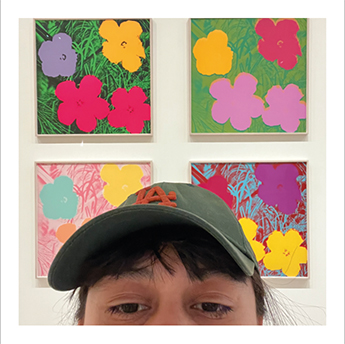
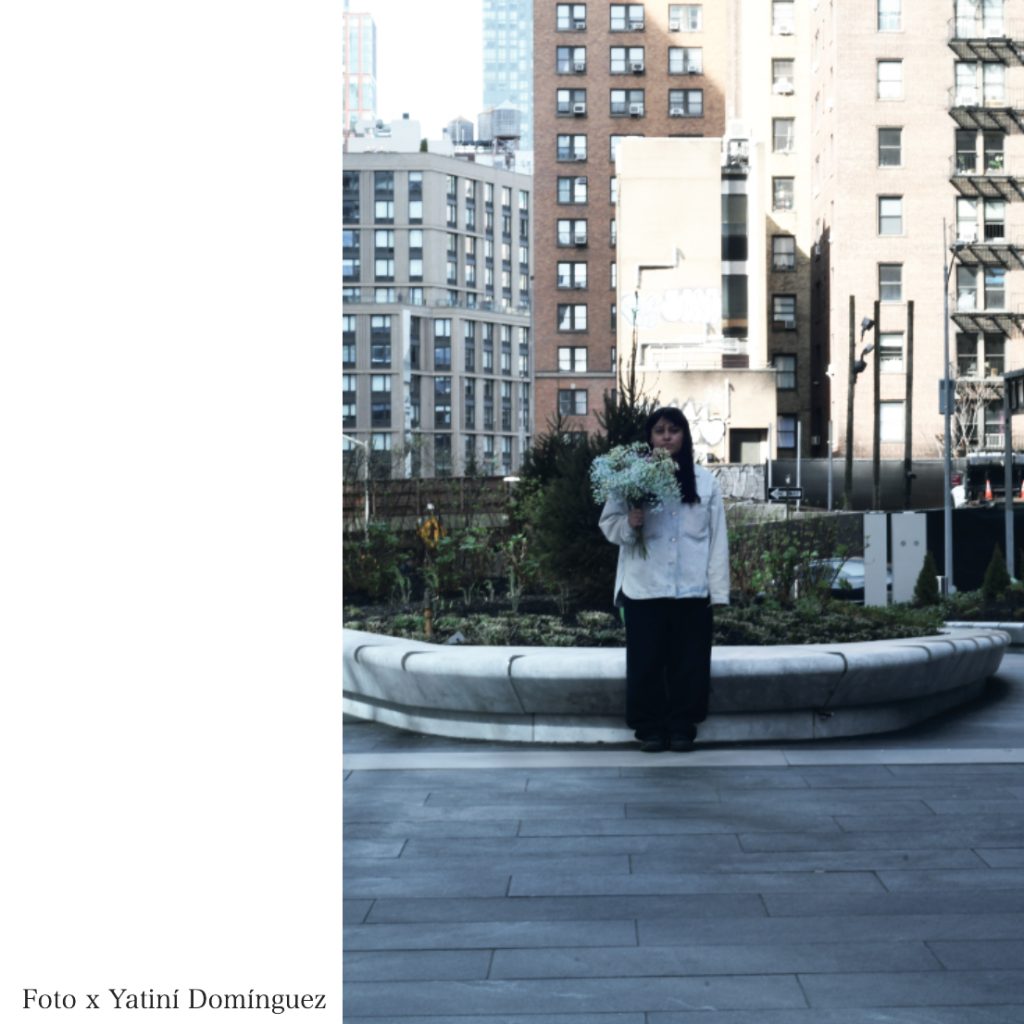
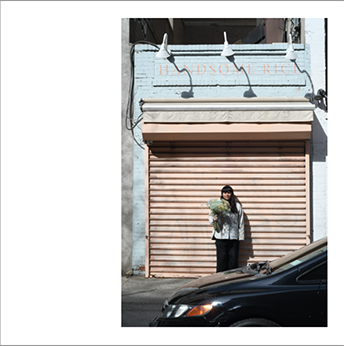
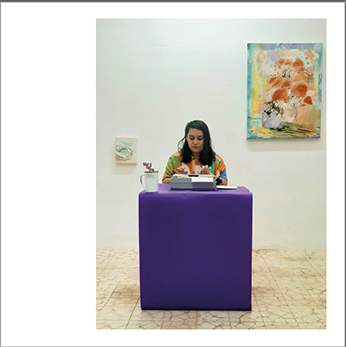
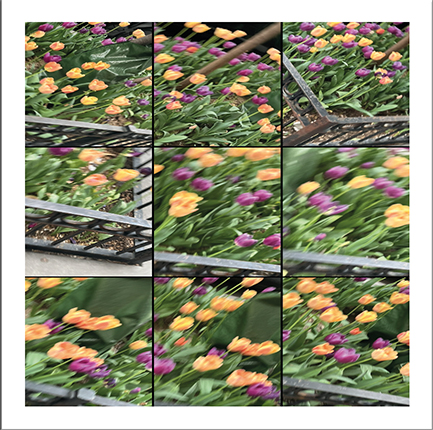
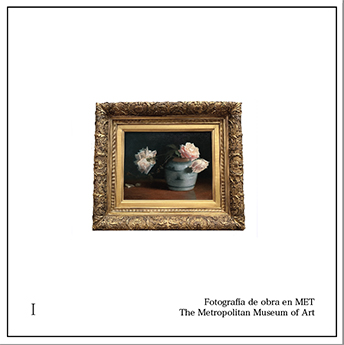
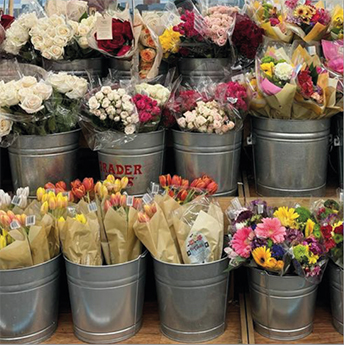
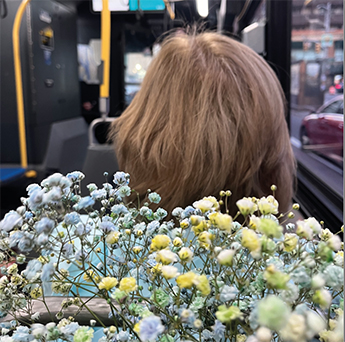
Hoy te traje flores de NY (Today I brought you flowers from NY) is a photographic-essay style account of debt, work, and love. Drawing from two works by filmmaker Chantal Akerman, My Mother Laughs and the film News from Home, I make a space-time reconfiguration, taking “the flower” as the central element, from its integration into everyday life to its trajectory through art history and its appearance in cinema. A space where the media interpellate, where memory is either turned into a copy or swept, where recollection is multiplied and the self-portrait turns into a selfie. I am interested in addressing correspondence as a form of expanded writing beyond the textual, because the recipient is no longer present, leaving the act of reading correspondences to other sensibilities.




Alma Camelia Flores
State of Mexico, 1992
She is part of SOMA’s Study Program (2023-2025) and graduated from the Arts and Design Faculty at UNAM. She received the Prince Claus Seed Awards (2024) and is currently directing her first documentary, Ley Yatzil. She participated in Travel as a Learning Experience (NYC, 2025) and in the International Summer School Historias de resistencia, organized by the University of Kassel and the Documenta Institut. In 2020, she was awarded a FONCA grant. Her work has been featured in the XIX Photography Biennial of the Centro de la Imagen (Mexico City) and the Imagen en Movimiento Biennial (BIM, Argentina). She has also participated in PISO 16, Cultural Initiative Laboratory, and is cofounder of Lolita Pank, a platform for women and LGBtIQ+ artists.
Andrés Guadarrama
Travel Journal
Estudios de Nueva York (Studies of New York) is a series of short audiovisual essays built from experiences and reflections that emerged during Travel as a Learning Experience 2025.
In the Western musical tradition, a “study” is a short composition designed to develop a specific technical skill, often written for a solo instrument. Although its origin is primarily pedagogical —serving as an exercise to improve the performer’s dexterity—, many studies have transcended that initial purpose, turning the format into a laboratory of forms, where the technical becomes a vehicle for artistic invention.
Inspired by this tradition, this set of studies does not aim to perfect an instrument technique, but to explore other forms of listening, thinking and resonance. They are exercises in memory, perception and speculation, built from fragments of experience that continue to reverberate with my artistic practice.
More than a record of a trip, this logbook serves as a field of resonance: each study encapsulates questions and gestures that have not yet been exhausted, and will continue to develop over time. Like musical studies, these pieces are not conclusions, but concentrated forms of searching. Short essays infused with future.
Andrés Guadarrama
Mexico City, 1991
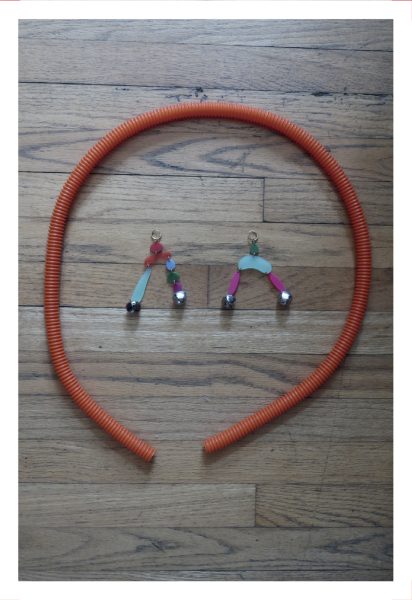
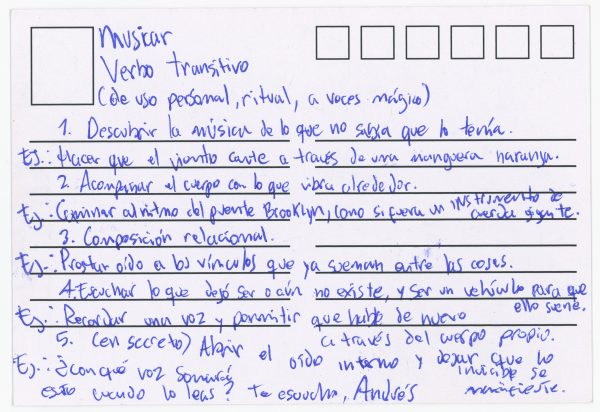
His practice as a musician articulates relational composition, devotional listening and the sacred dimension of sound as ways of fostering encounters between body, territory and matter. His work conceives music as a perceptive and transformative threshold that makes it possible to inhabit the uncertain, the intimate and the invisible. This search takes shape in musicians’ processions, sound installations, ritual instruments and garments, speculative writings and ocular systems.
His compositions have been interpreted in various countries across America, Europe and Asia, at festivals such as Donaueschinger Musiktage, New Music on the Point, NUNC! 4, The 21st Century Guitar Conference, Forum Wallis and the Foro Internacional de Música Nueva Manuel Enríquez, among others.
He has been commissioned by ensembles and institutions including JACK Quartet, the Institute for Computer Music and Sound Technology from the Zurich University of the Arts, Roberto Alonso Trillo, and the Hong Kong Baptist University. He was awarded the Jóvenes Creadores grant by FONCA (2017-2018) and represented Mexico in the 63rd International Rostrum of Composers of UNESCO, held in Wrocław, Poland (2016).
He is currently part of the Programa Educativo SOMA (SOMA Study Program, 2023-2025). He studied composition and music theory at the Center for Research and Musical Studies (CIEM), and received private instruction from composers Germán Romero and Samuel Cedillo.
Alejandro Olazo
Travel Journal
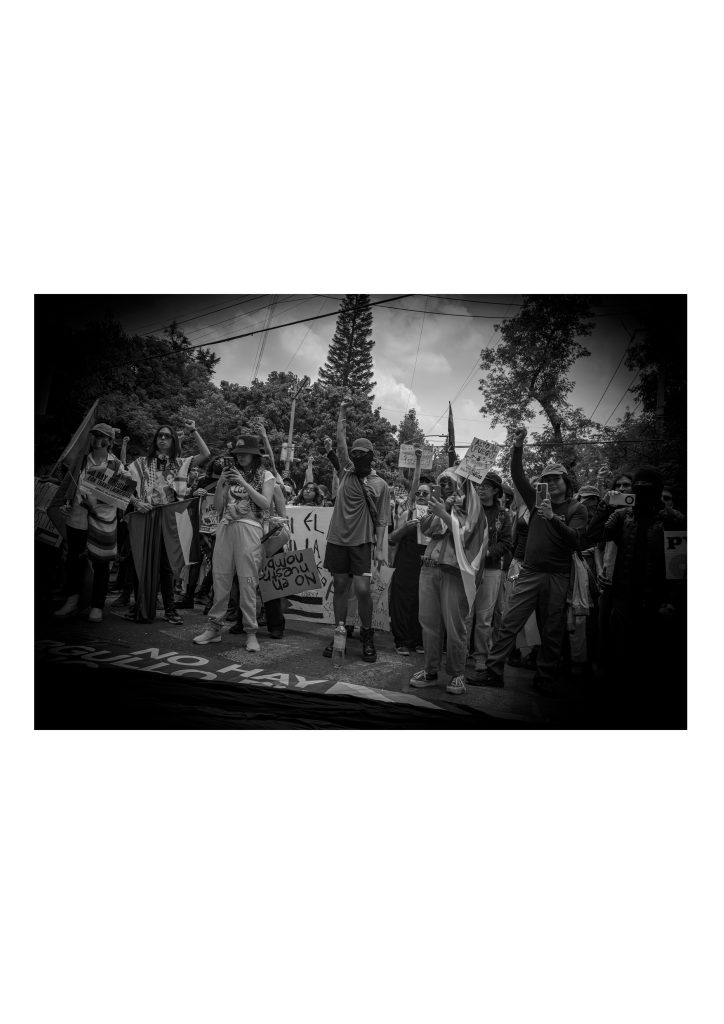
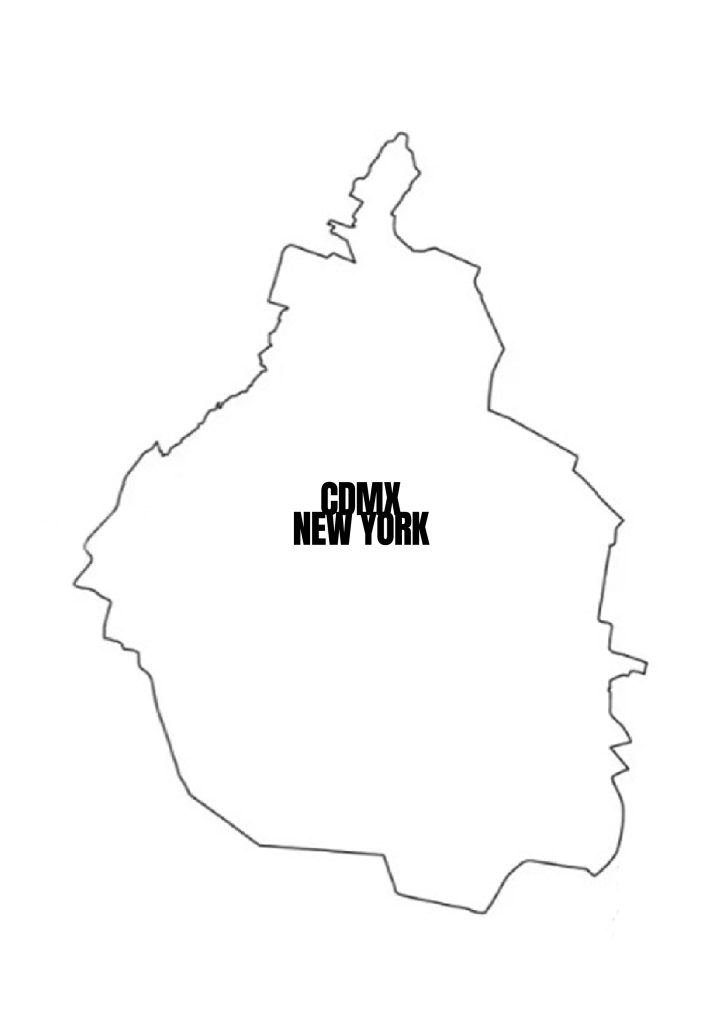
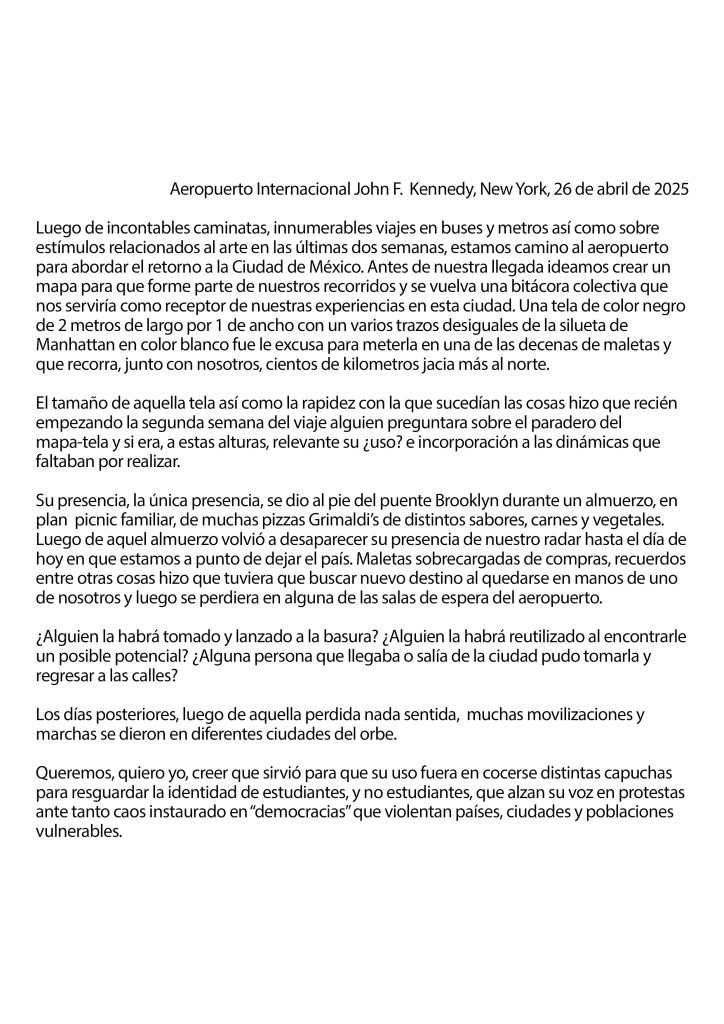
This is a brief visual account, integrated by images presented as diptychs. These pairings point at certain architectural, urban and social similarities between Mexico City and New York, as well as between works of art that are either temporarily or permanently housed in various institutional and independent spaces in both North American cities.
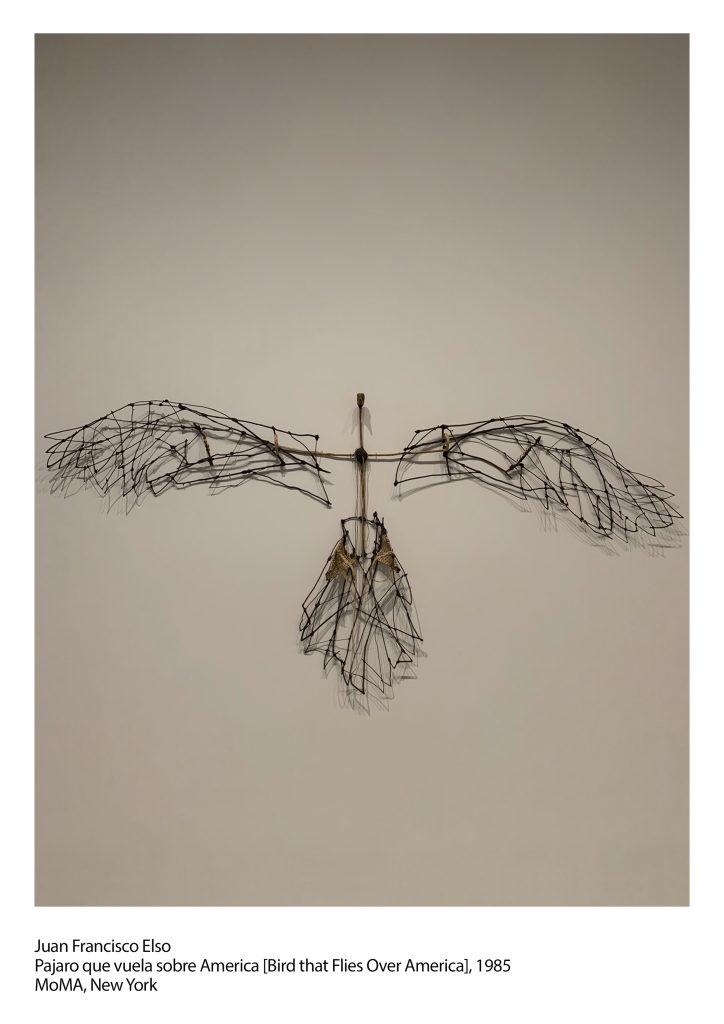
The featured images span a range of subjects: from pieces in clay, jute, reed, among other materials, by Juan Francisco Elso at both MoMA and the Museo de Arte Carrillo Gil, to works by Adolfo Patiño’s and Jasper Jones’, each using the U.S. flag to provoke questions and answers about its representation, to the ceilings and domes of the Guggenheim Museum and Ex Teresa Arte Actual, witnesses of countless actions within their respective contexts. This visual account is accompanied by personal writings in the form of a fictional diary with some pinches of reality. These texts were created before, during and after the two-week trip to New York.
This gaze arose from a both personal and artistic interest that has continuously grown since my arrival in Mexico City in September 2023, and has been further complemented, to a certain extent, by the fourteen-day journey to the Big Apple in April 2025.

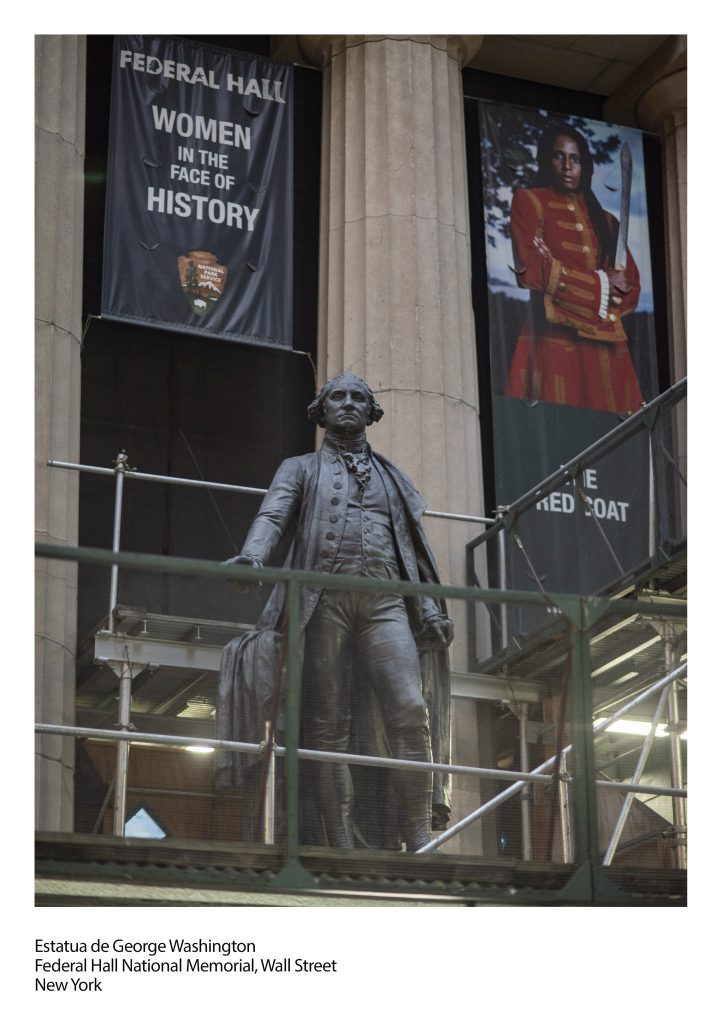
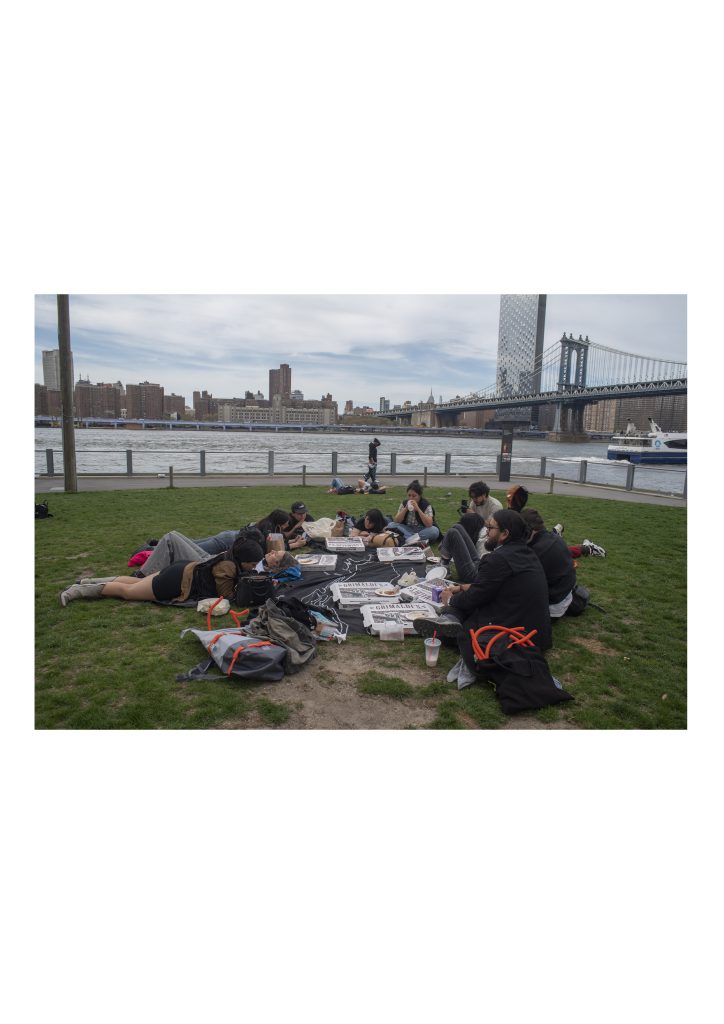
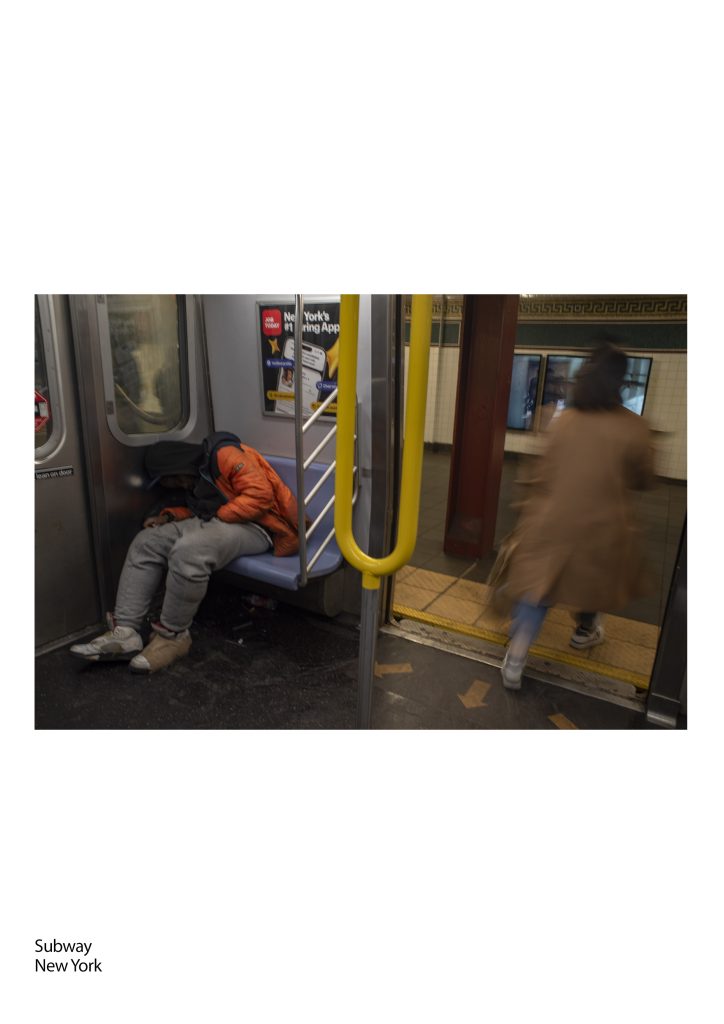
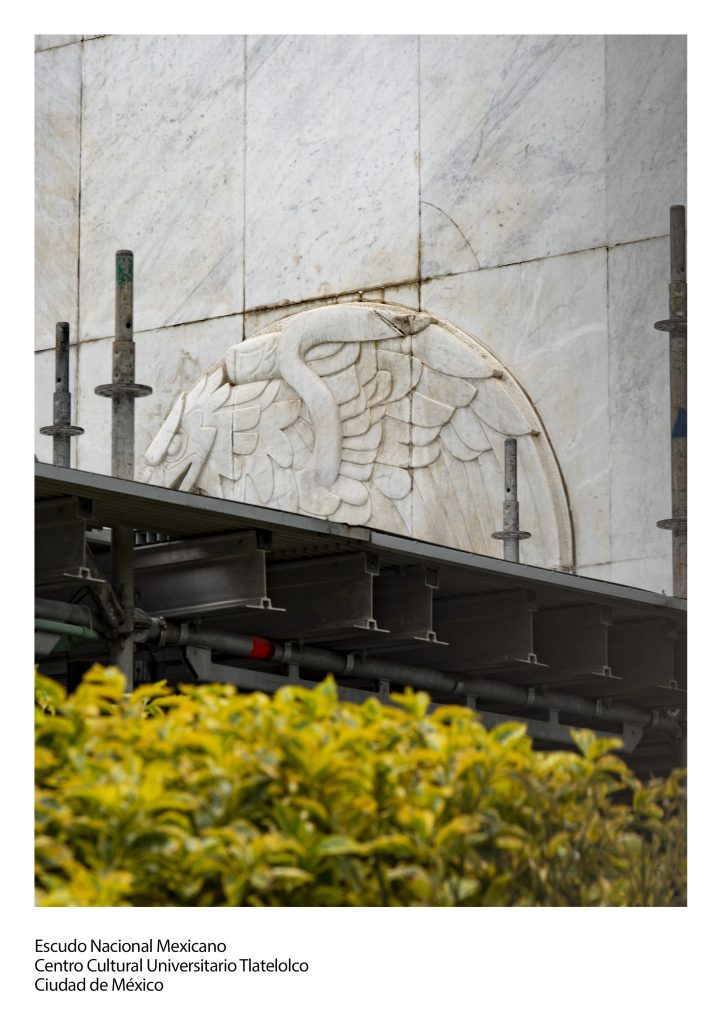
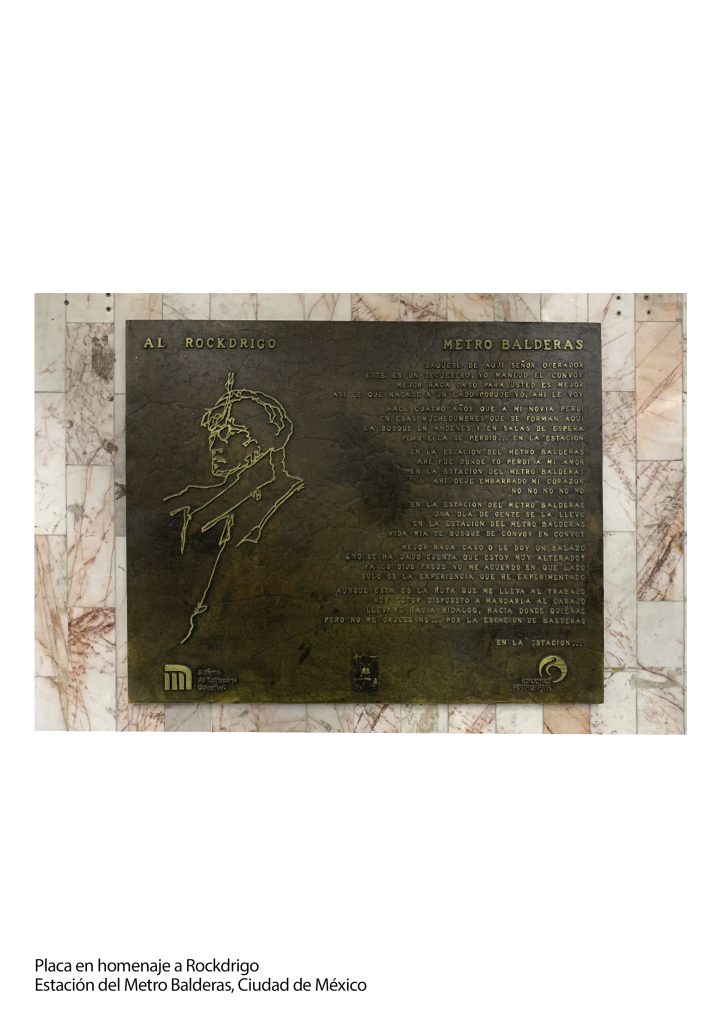
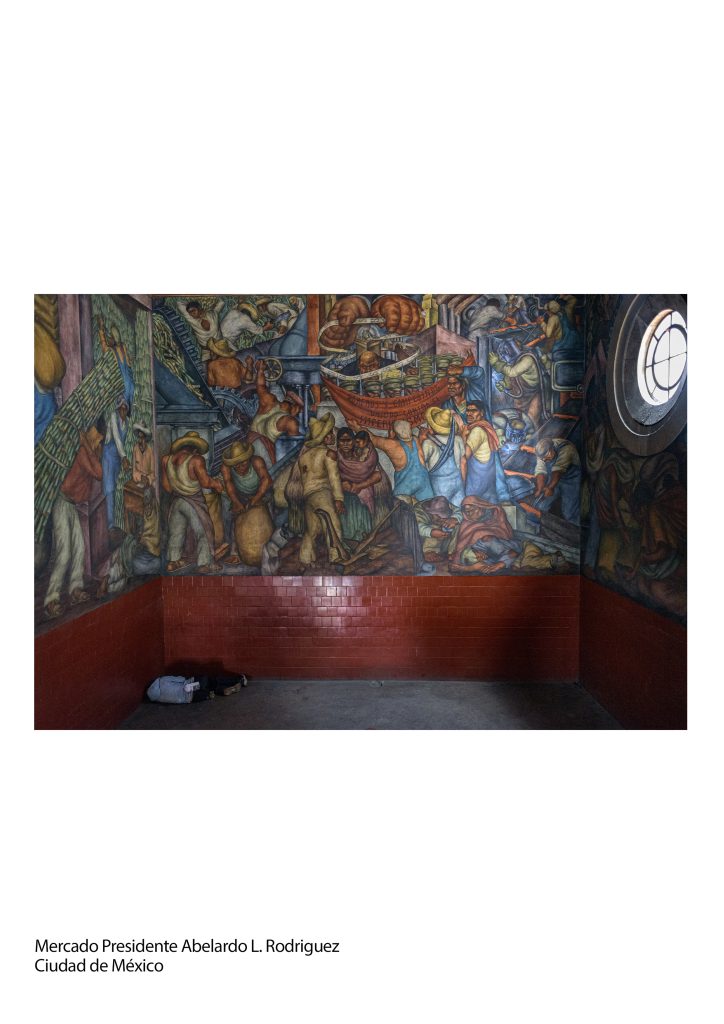
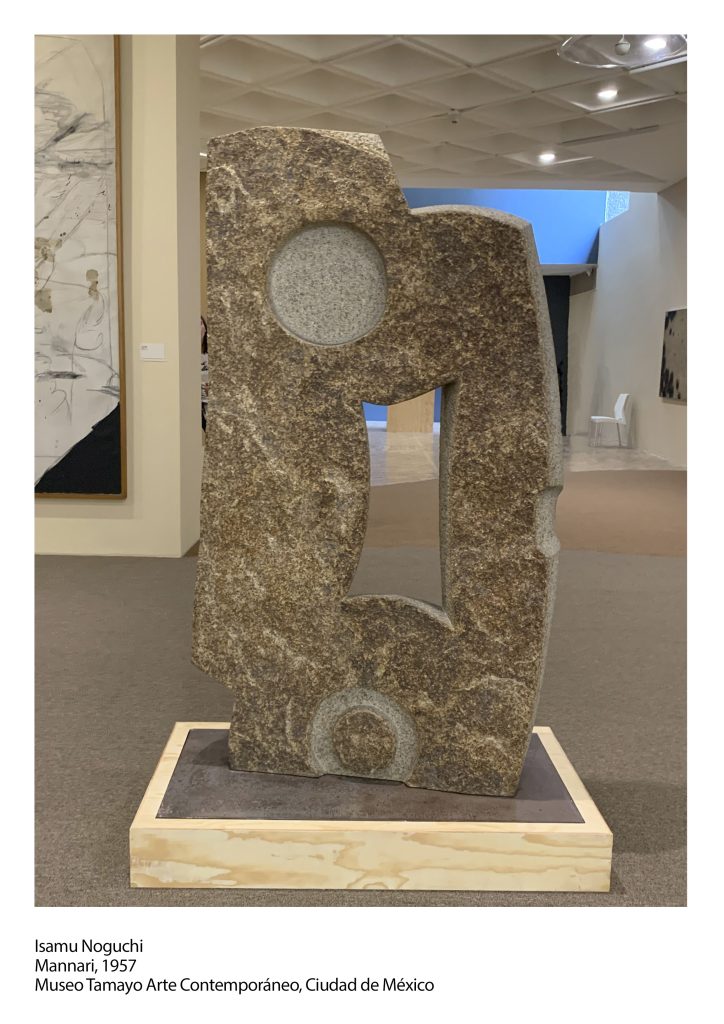
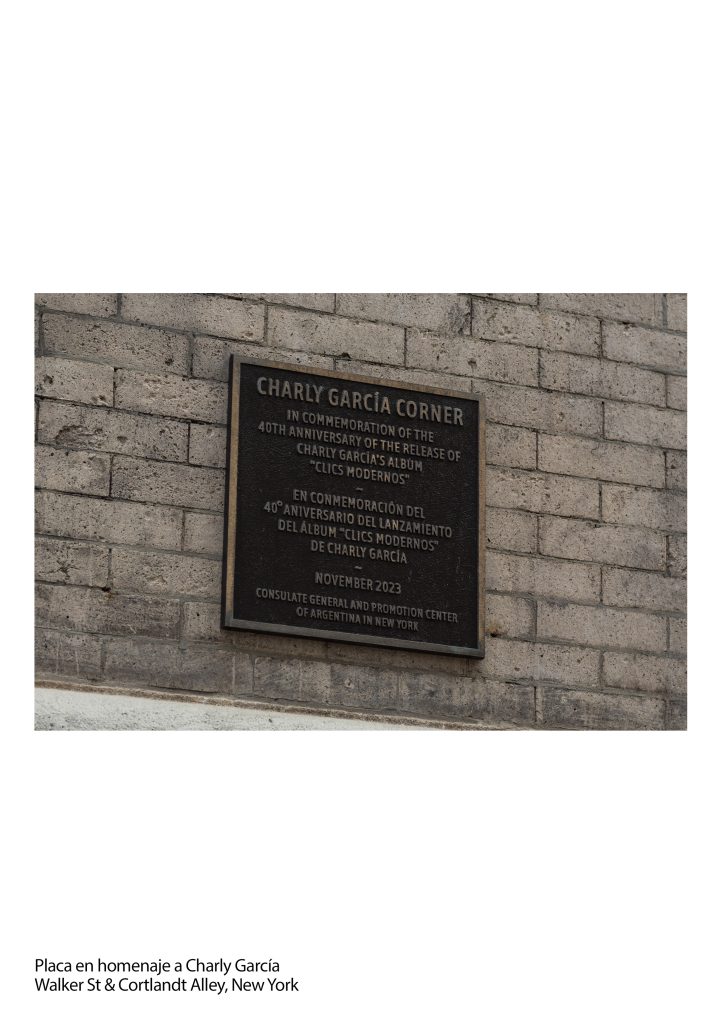
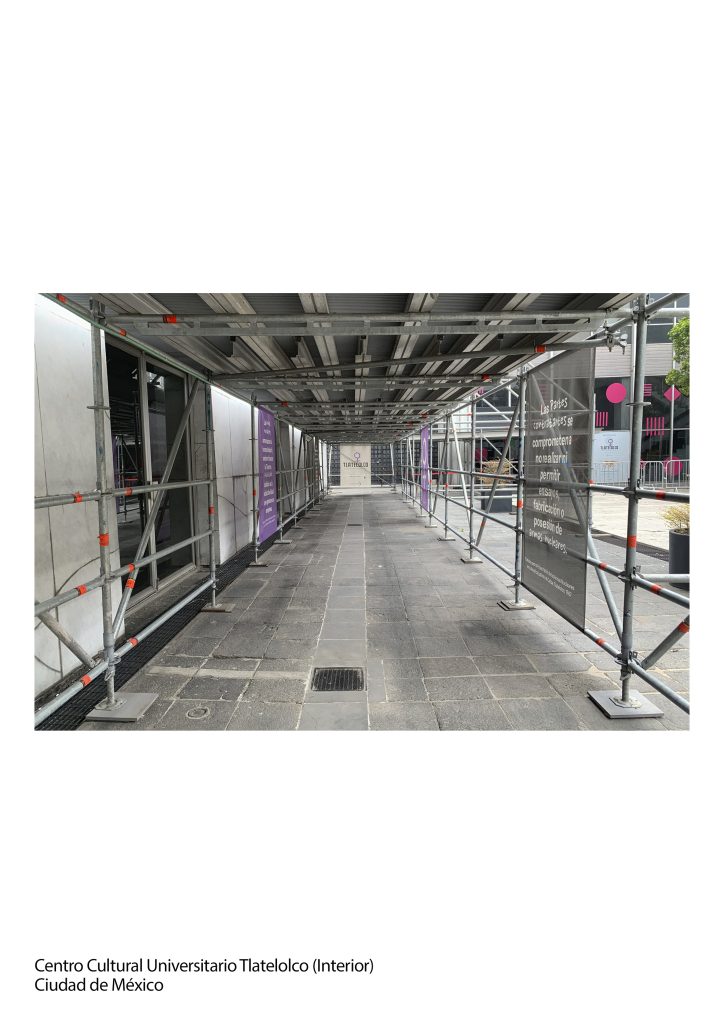
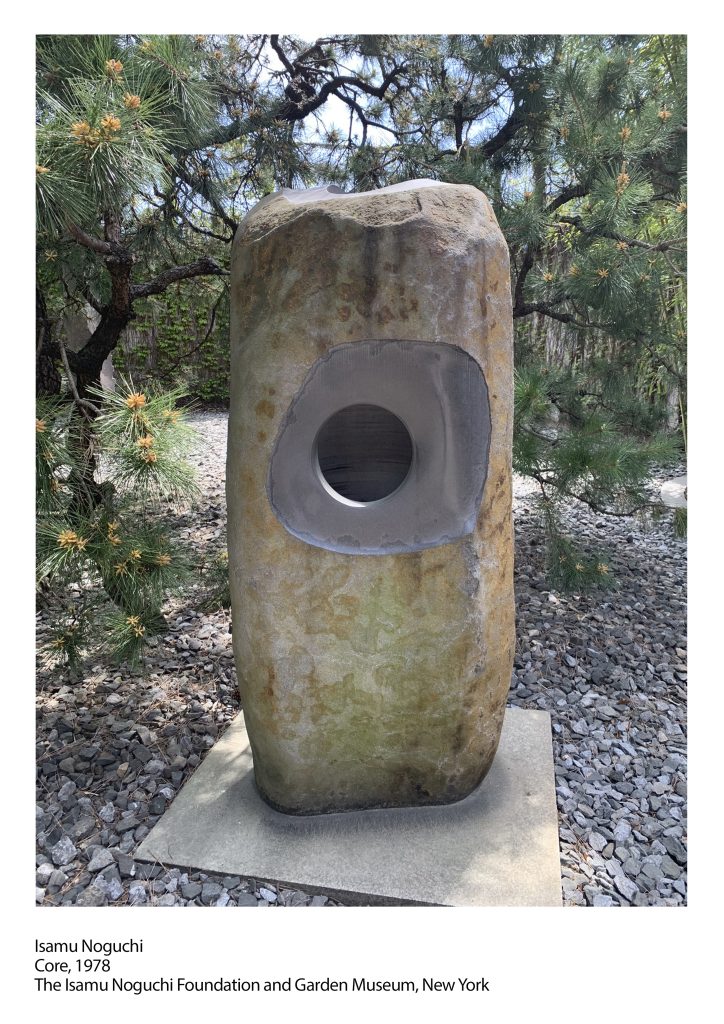
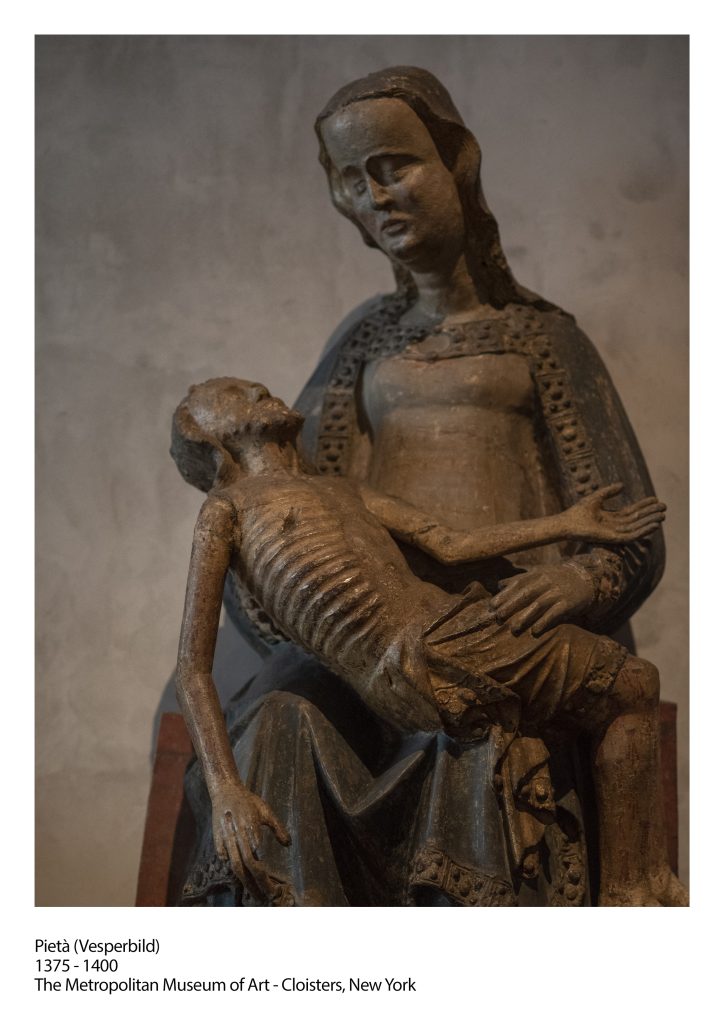
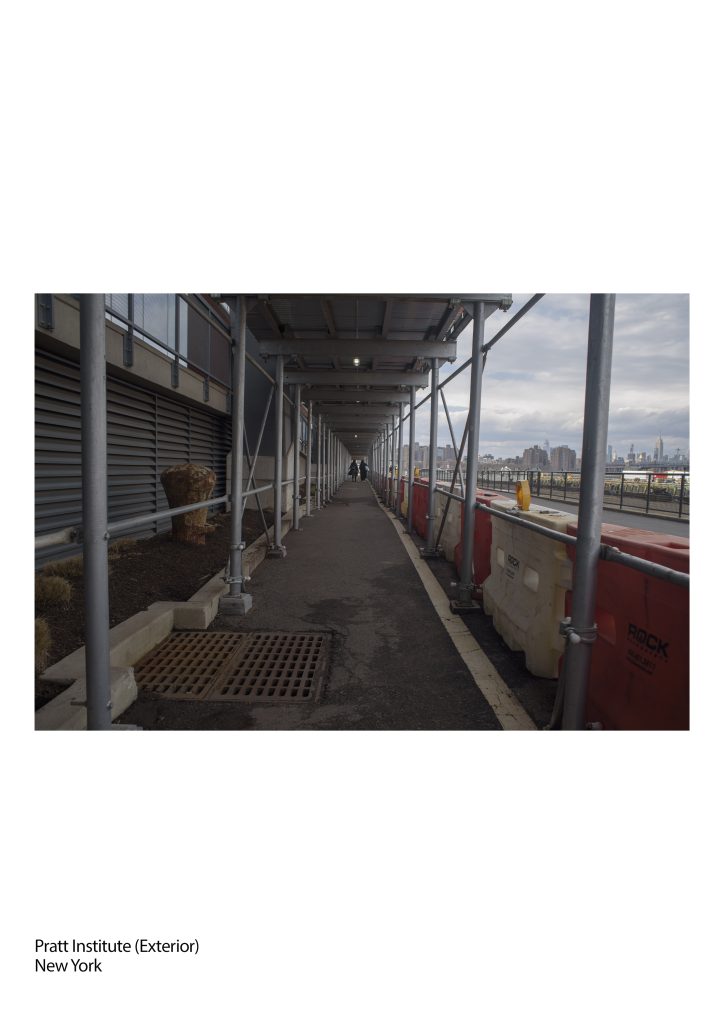
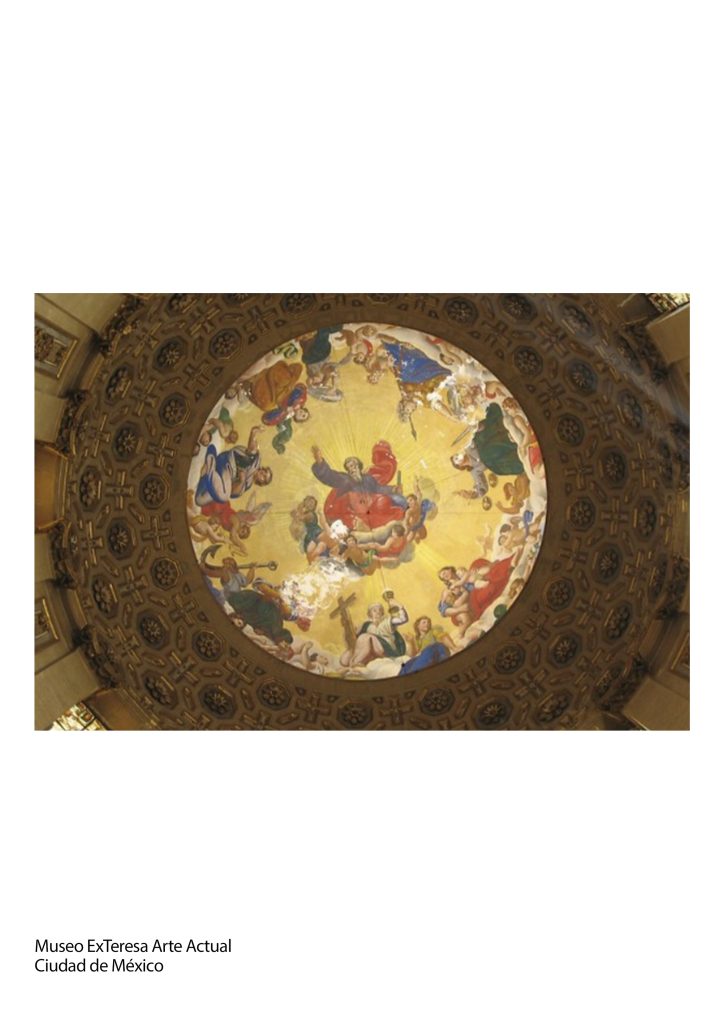
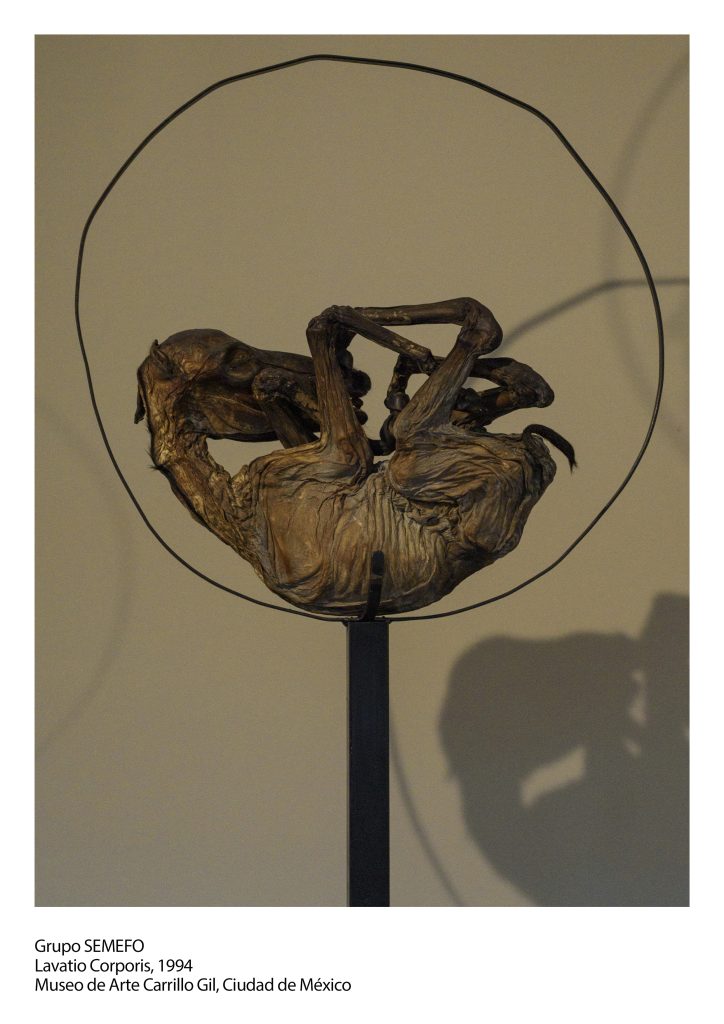
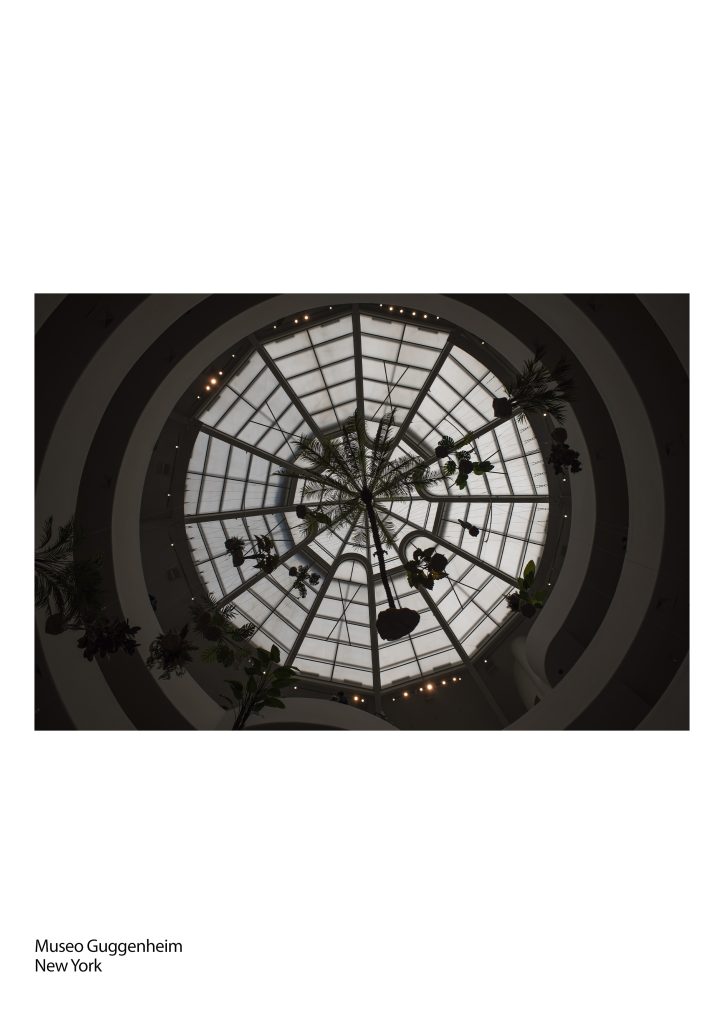
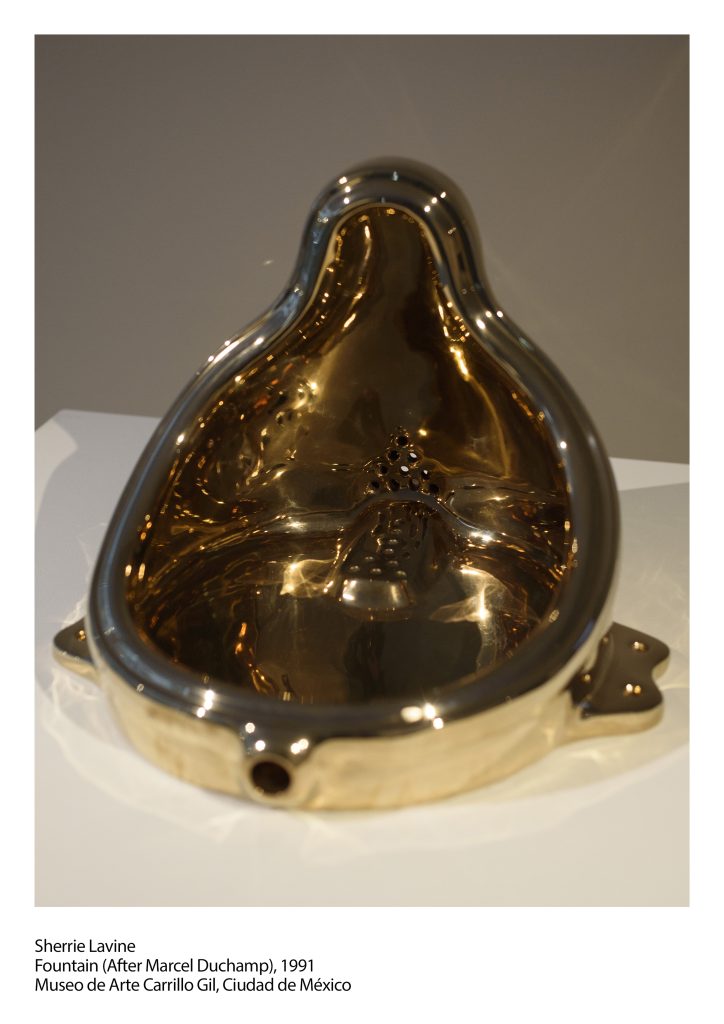
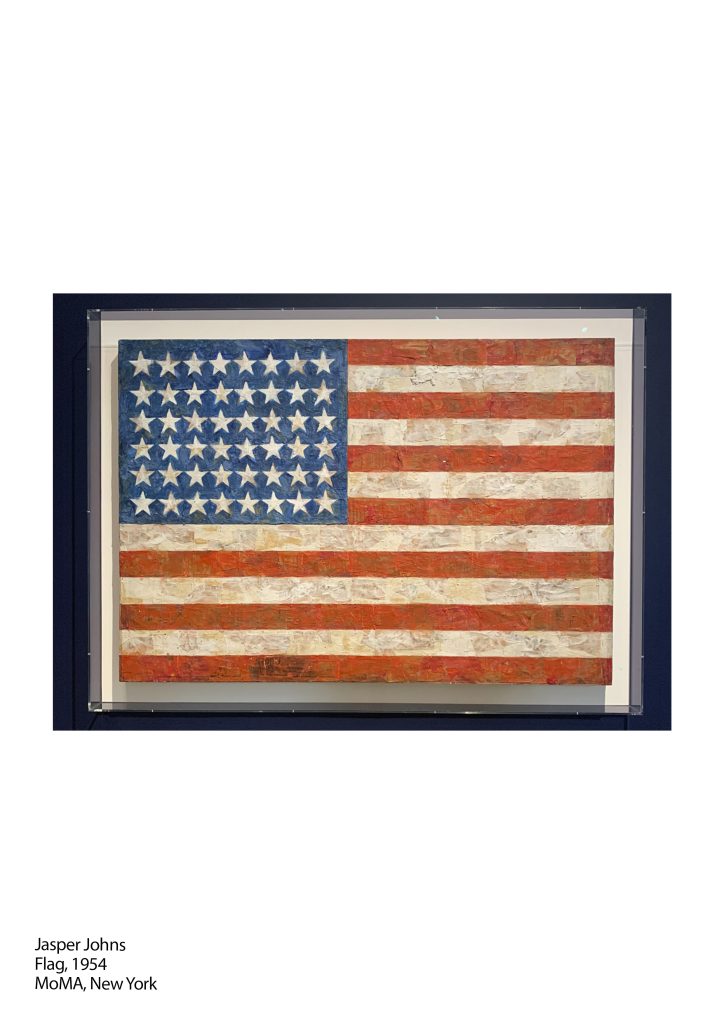
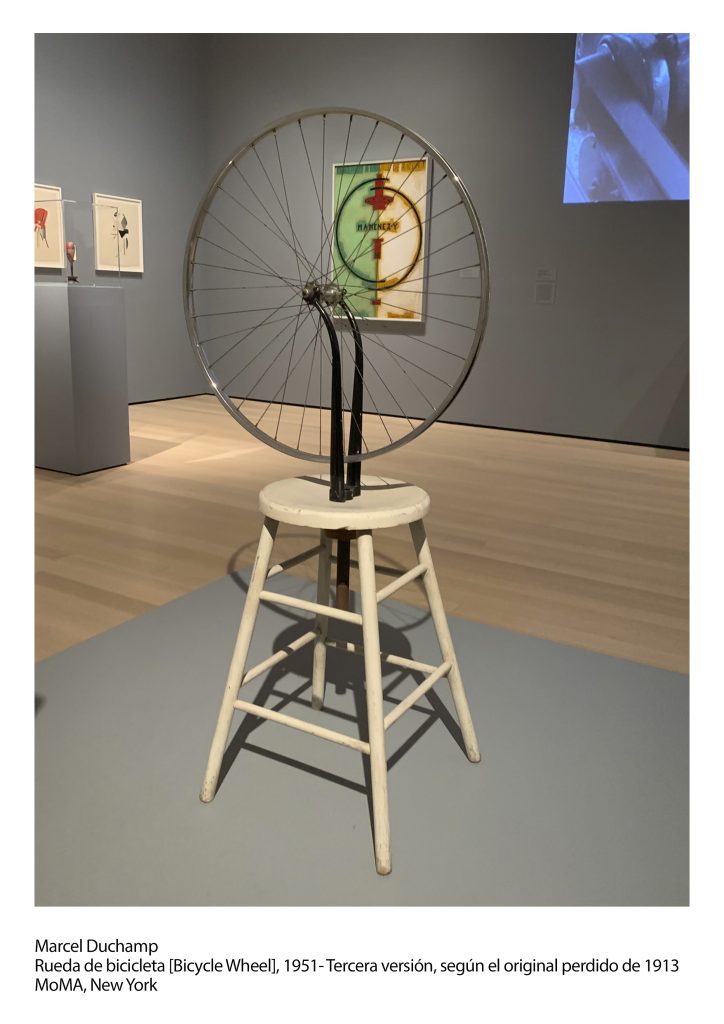
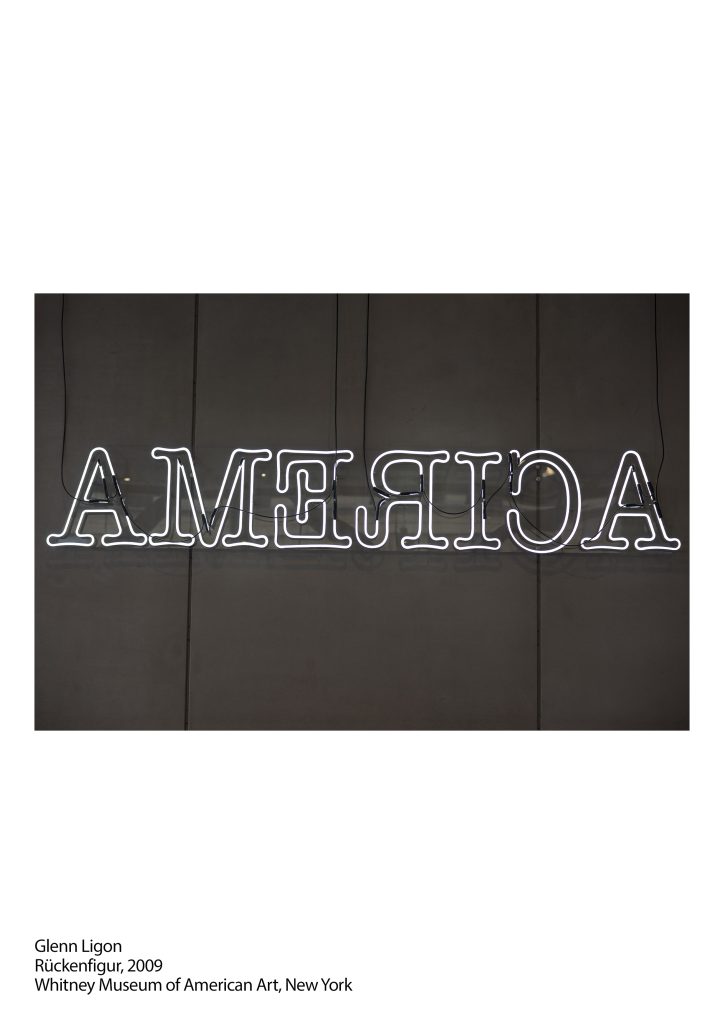
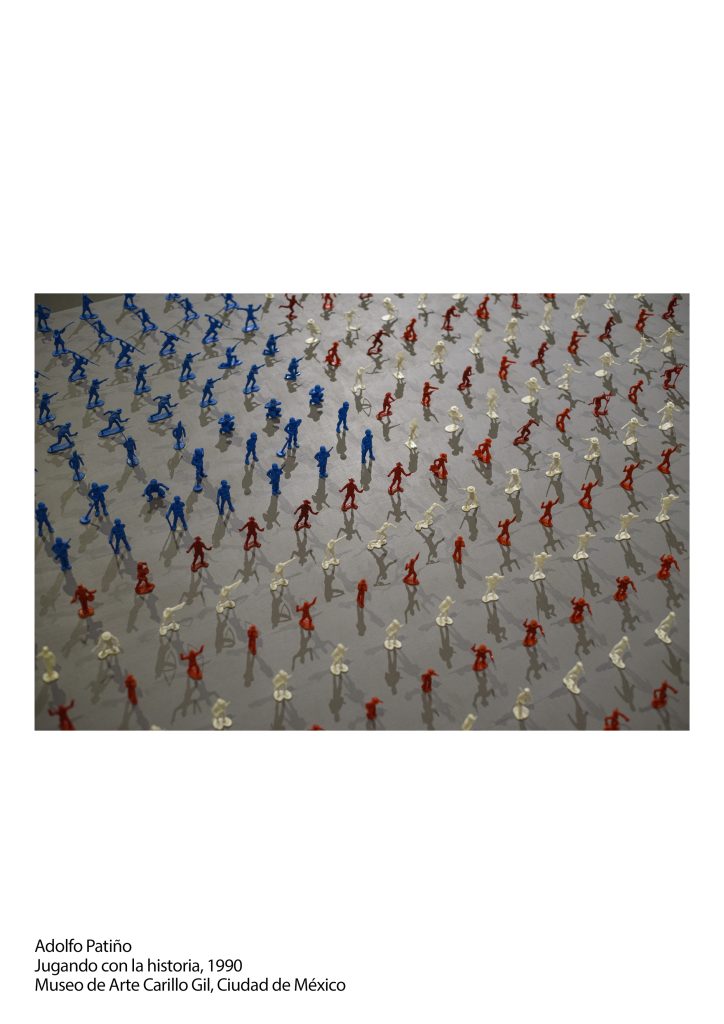
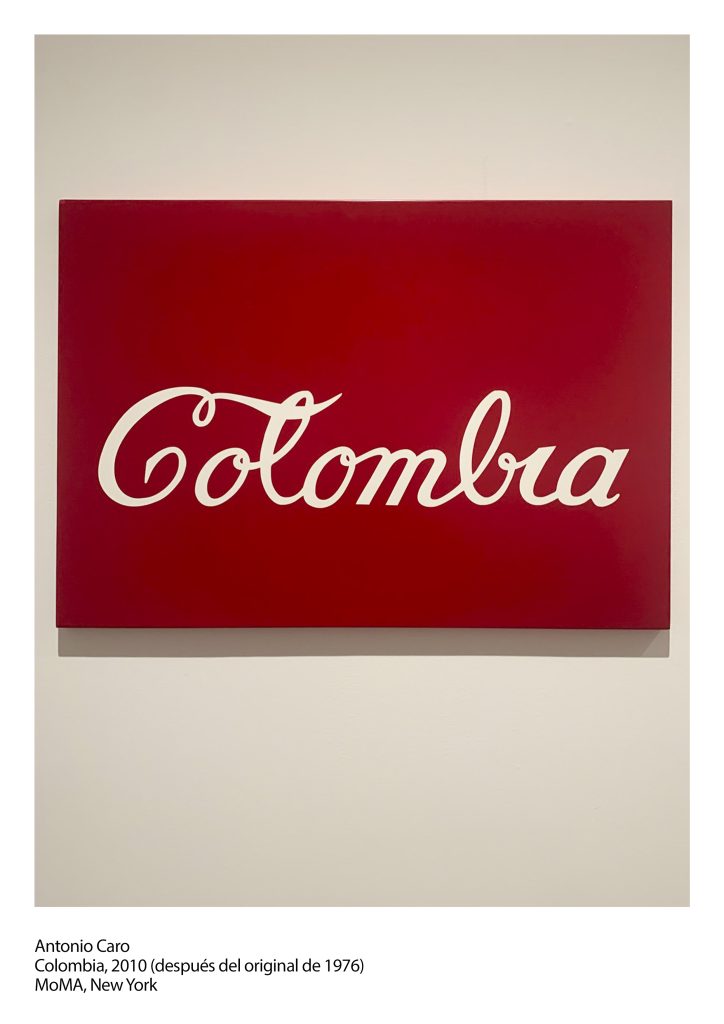
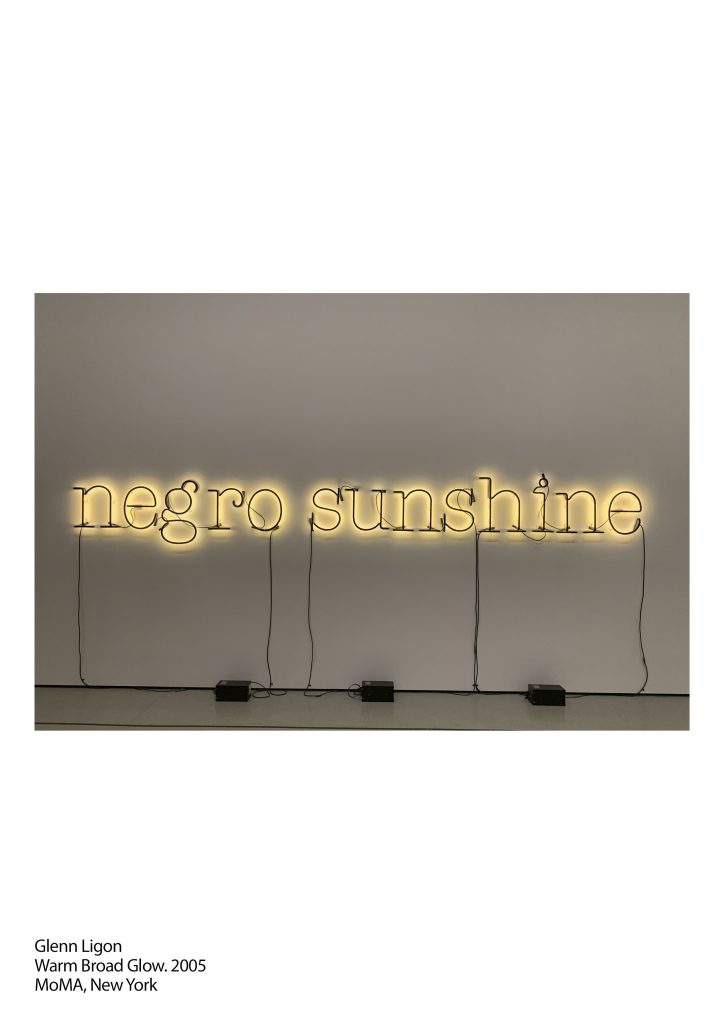
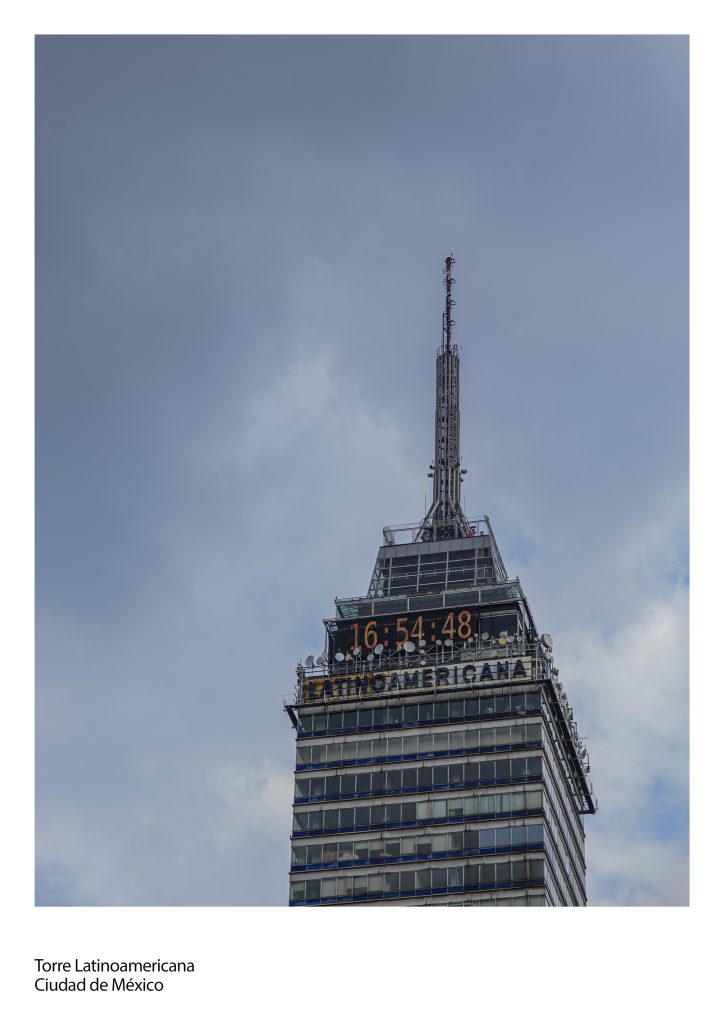
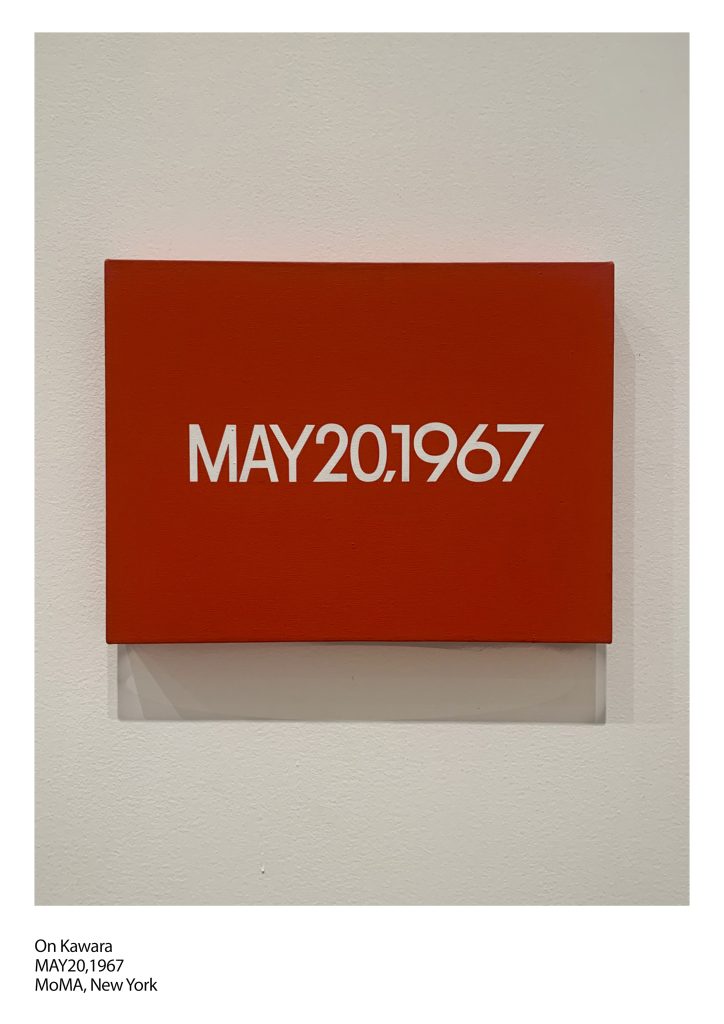
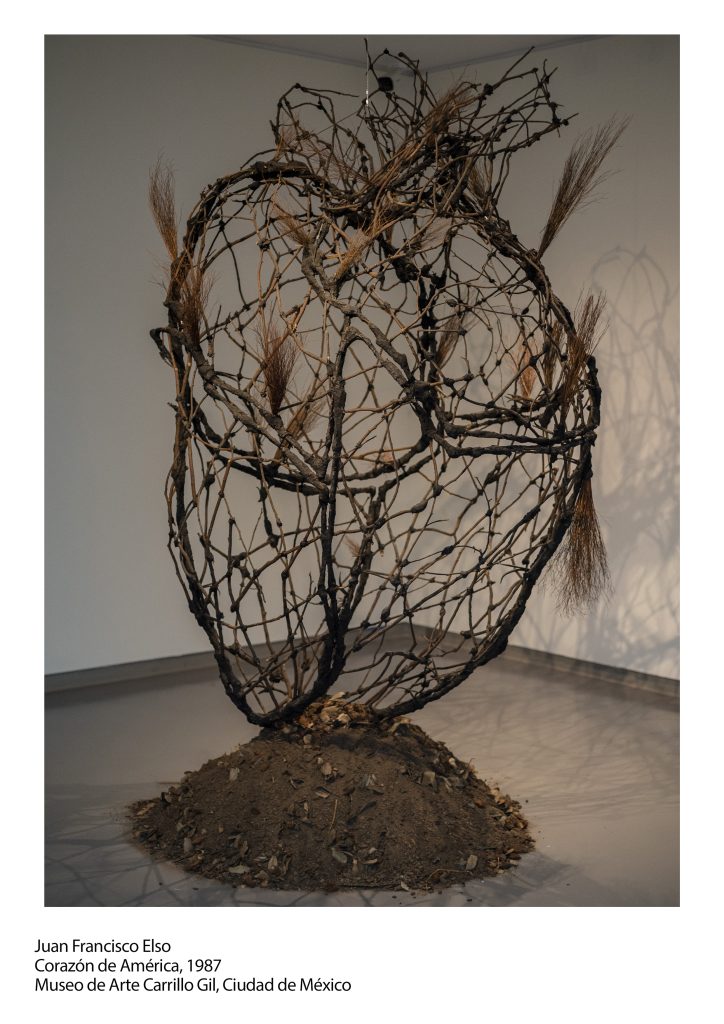
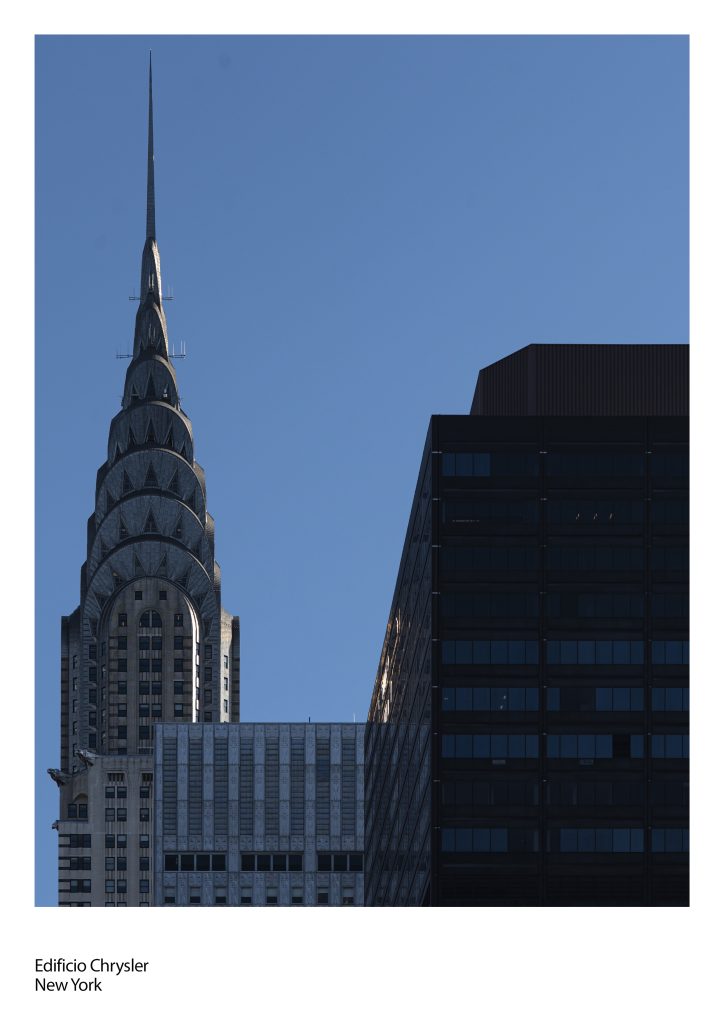


Alejandro Olazo
Lima, 1998
His working fields are image and photography. The defense of human rights, sociopolitical violence, enforced disappearance and the family archive are the main topics that he has explored both individually and collectively. These stories and concerns move between life and death, past and present, search and discovery. Such dualities in tension serve as tools to present visual narratives that seek to interpellate the viewer,prompting reflection and raising questions about their own personal and social realities in relation to these issues.
He has published and collaborated with various media outlets in Peru, including Revista Caretas, Ojo Público, and the newspaper La República, among others. In 2017, he received the Allard Prize for Integrity, and in 2018 he was selected for the 1st International Biennial of Photo-journalism of Sinaloa, Mexico. He took part in the Photographic Production Seminar at Centro de la Imagen in Mexico in 2021. He attended the Programa Educativo SOMA (SOMA Study Program, 2023-2025).
Susana Oliveros
Travel Journal
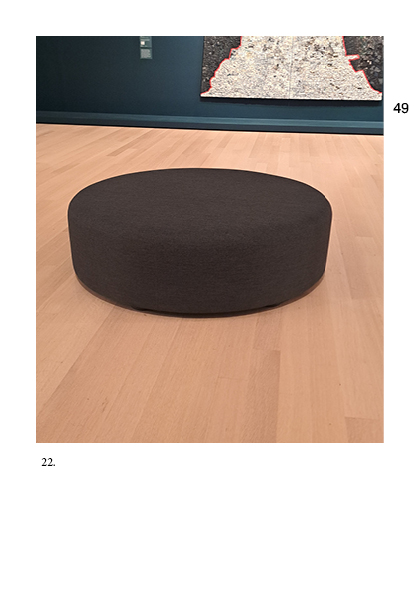
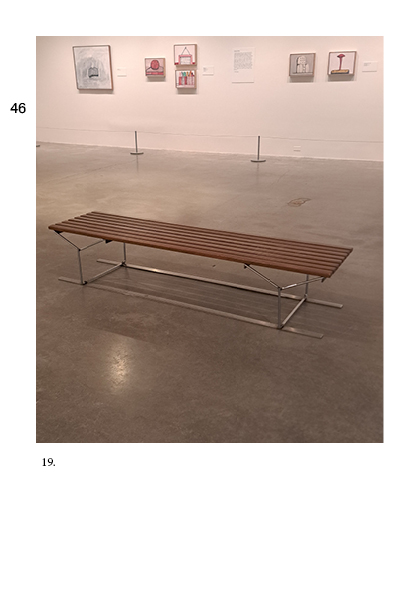
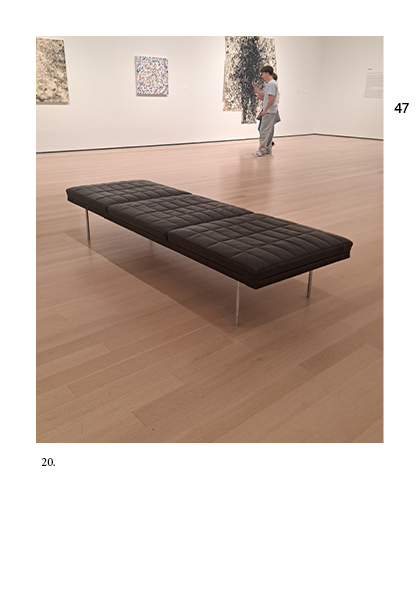
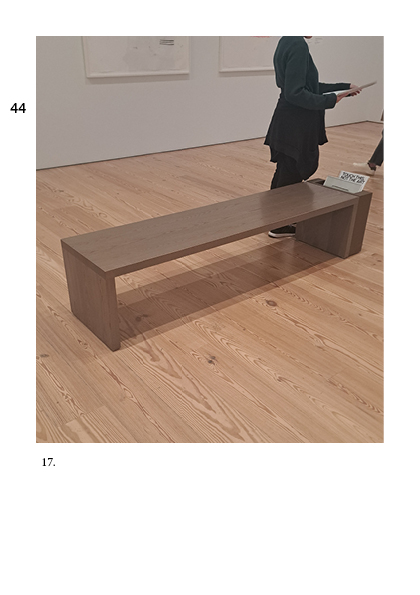
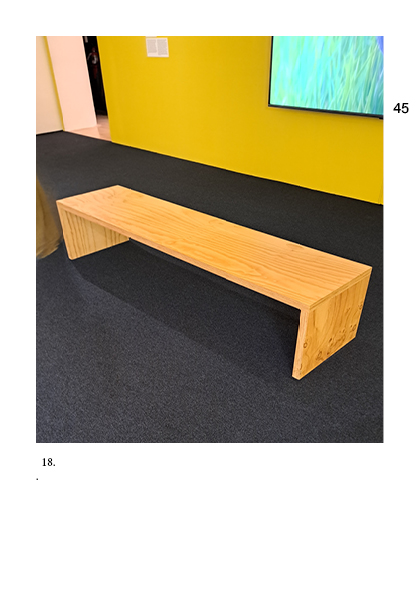
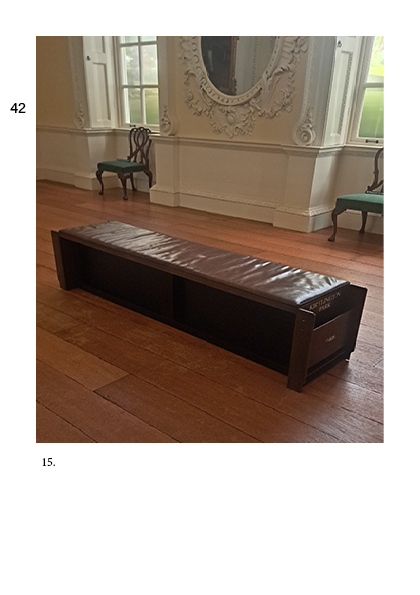
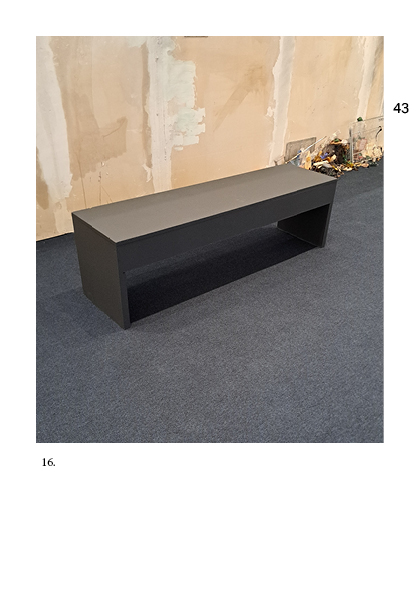
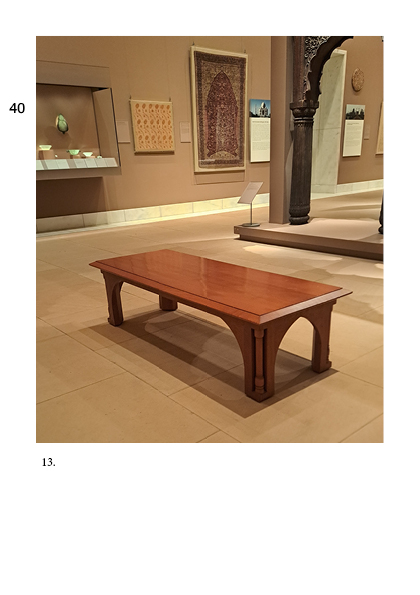
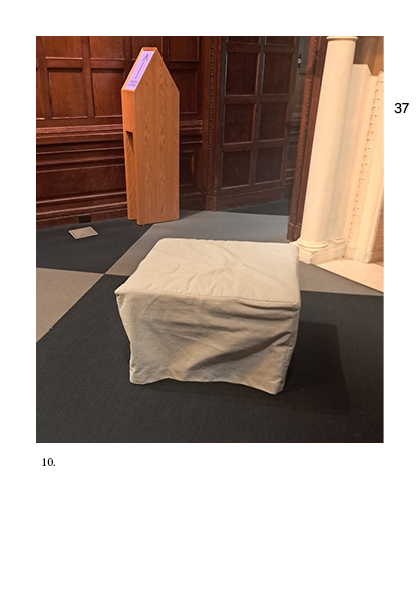
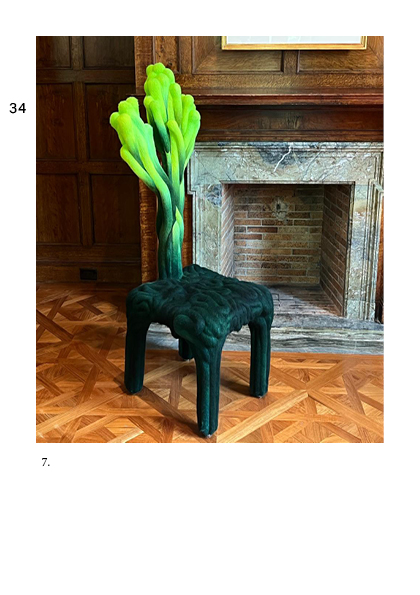
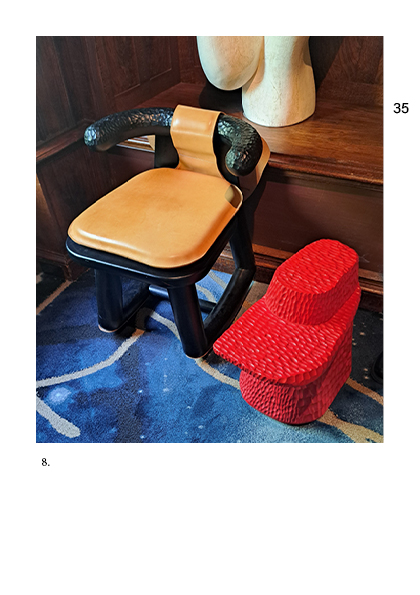
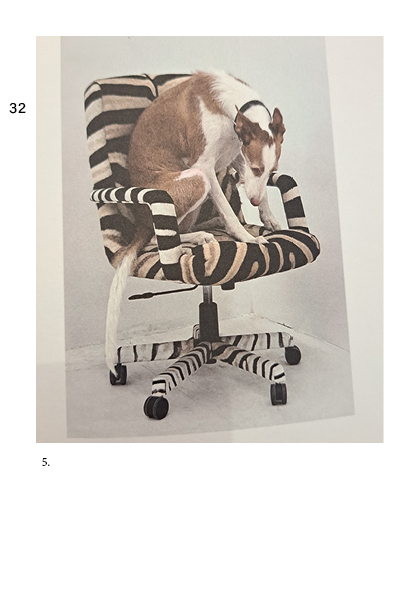
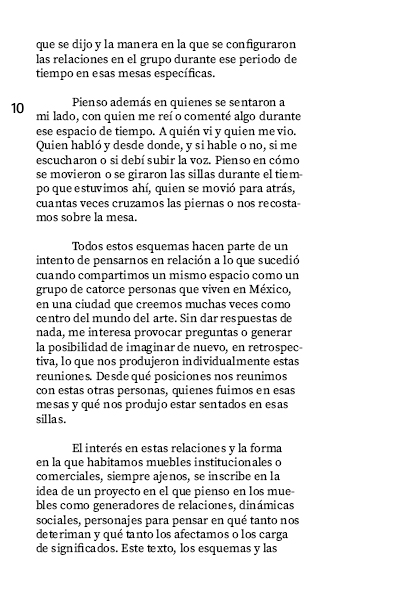
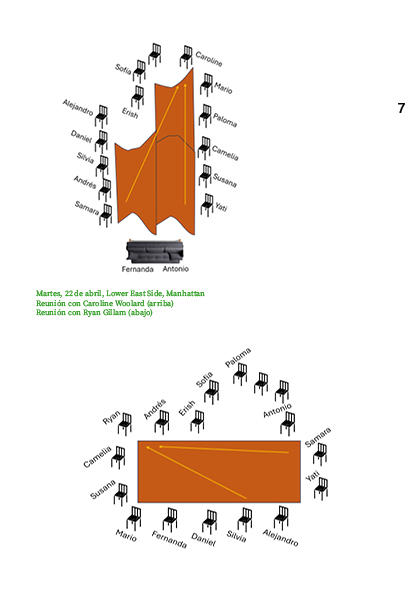
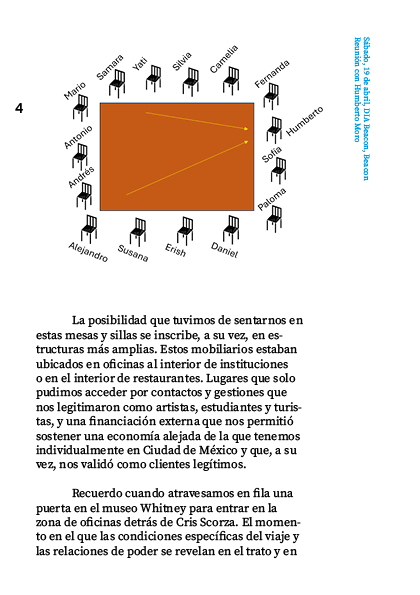
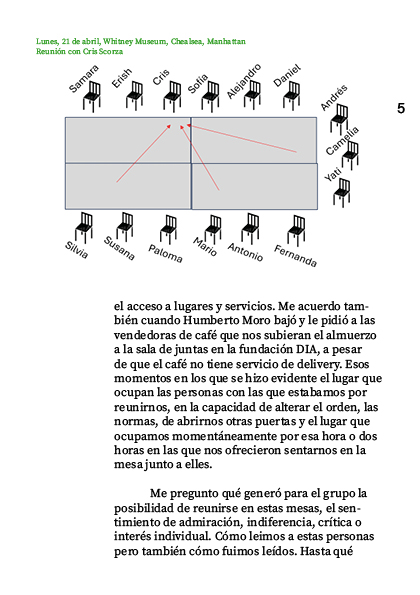
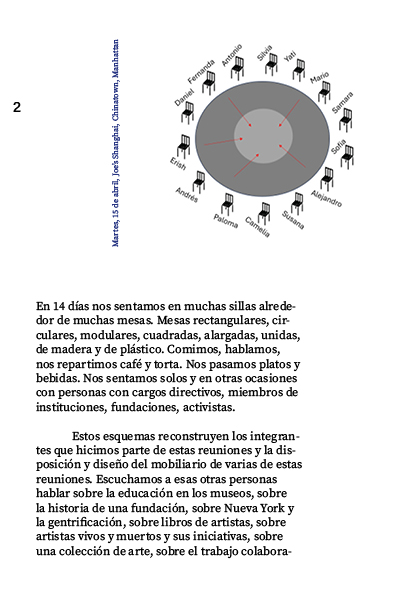
This logbook came from an interest in how objects produce social relationships, from a fondness for furniture and from wondering what can unfold around the objects I make. It also stems from the questions of a still unrealized project that involves being for two years with twelve people in an educational program, the same people with whom I shared fourteen days in New York with. It is about gathering, sitting together and sharing the same table to talk, eat, listen and converse. In this sense, multiple scales and dimensions intersect: institutional frameworks, group relationships, individual experiences of being there, and questions I have about consumption and the ways in which things consume us.
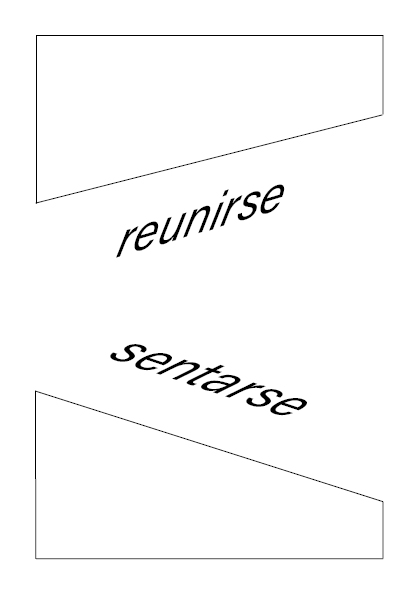
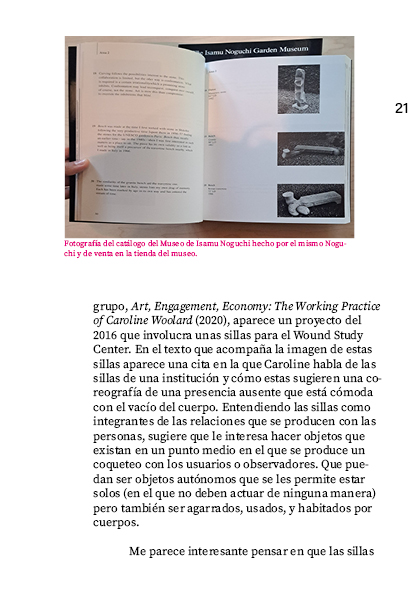
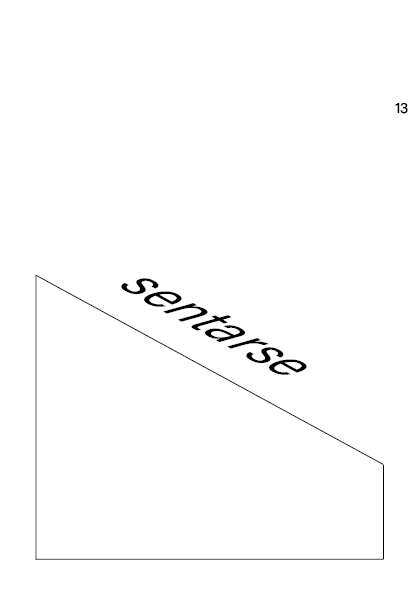
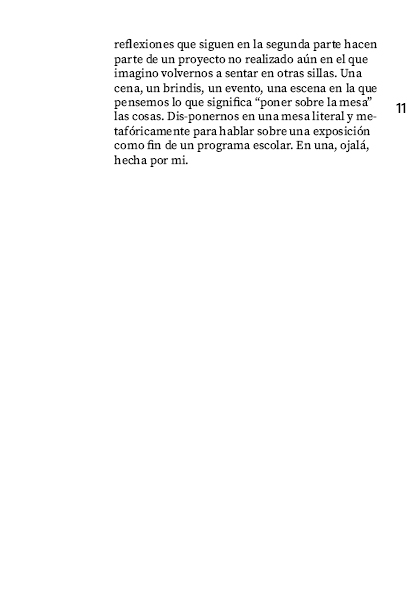
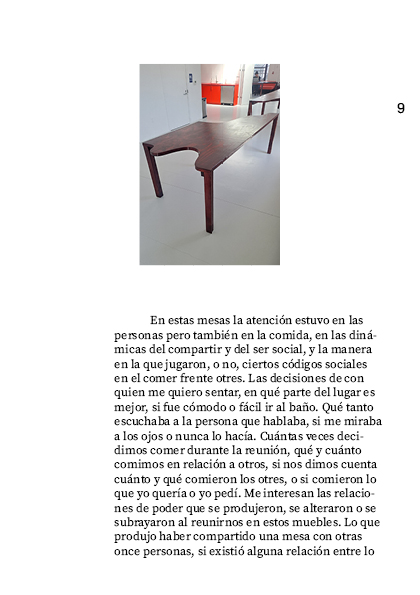
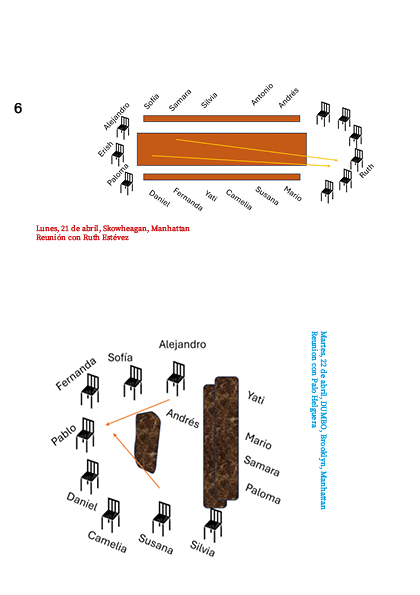
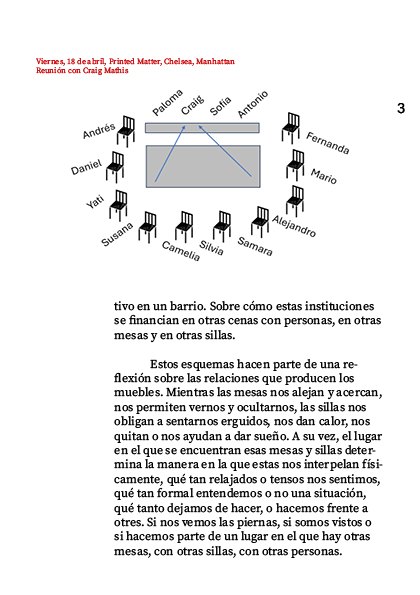
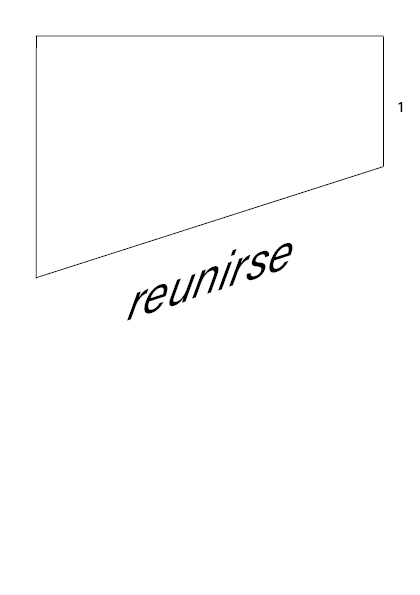
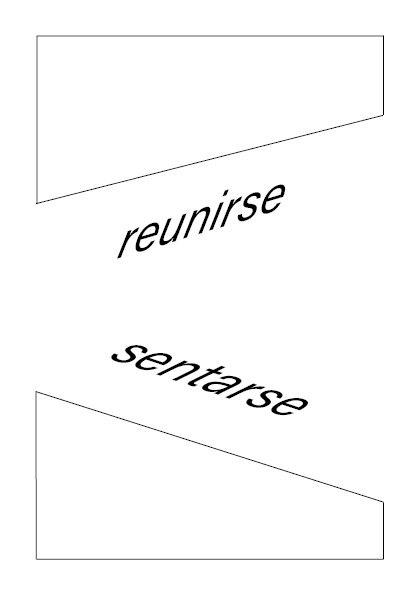
reunirse/sentarse (gather/sit) is a two-part publication. In reunirse I am interested in thinking about the institutional and commercial furniture we used in many of the meetings during the trip. Through text and schemes that somewhat reproduce the shapes of the tables and chairs that we used, I try to pose questions about what happened to the group during and after sitting in them. I present questions about how they could have changed the ways we understand each other and our differences, and how power relations and broader economic structures might have come into play.
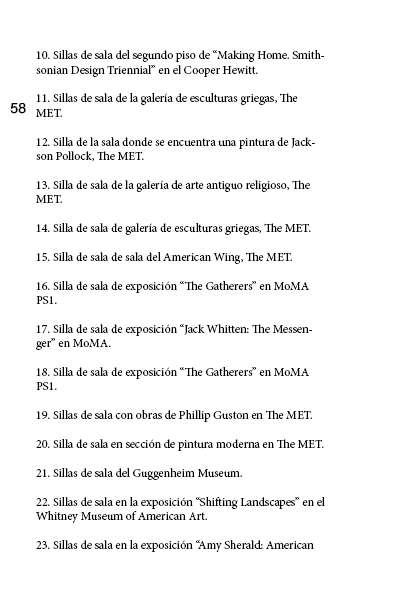
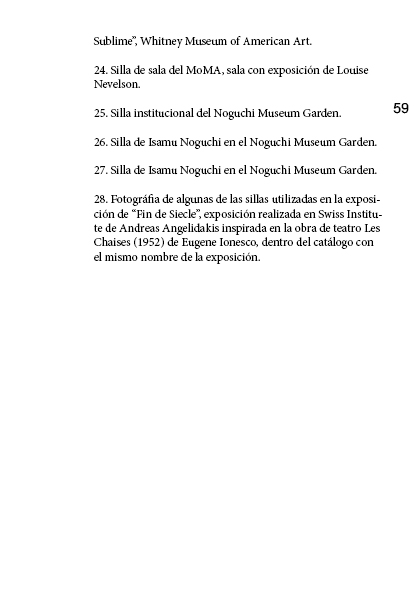
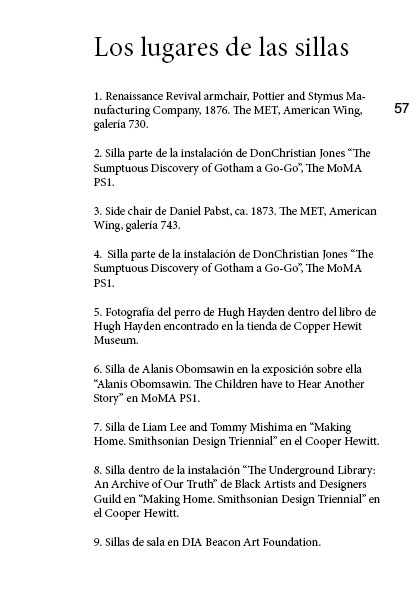
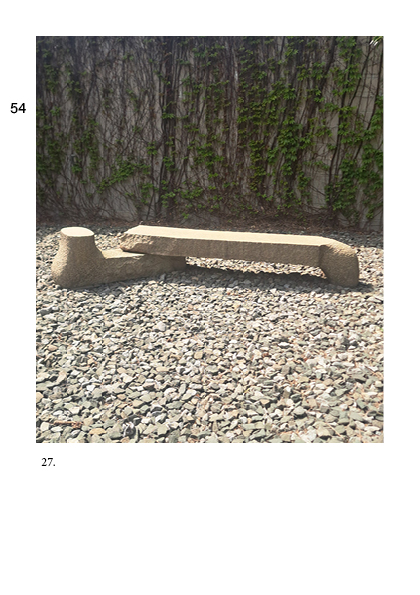
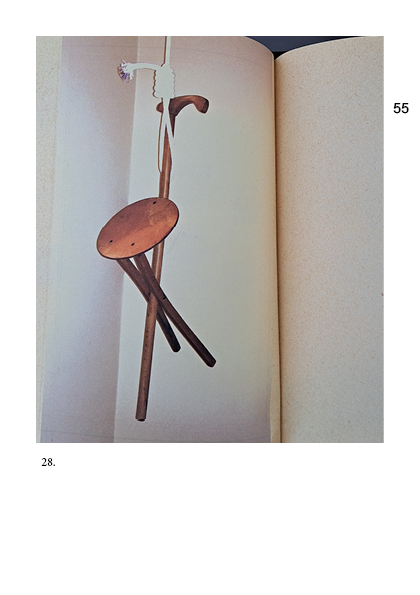
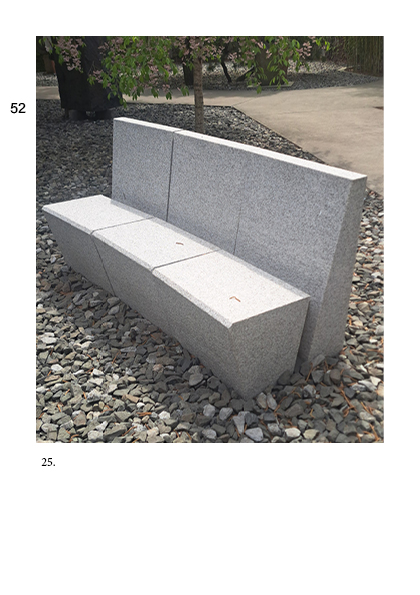
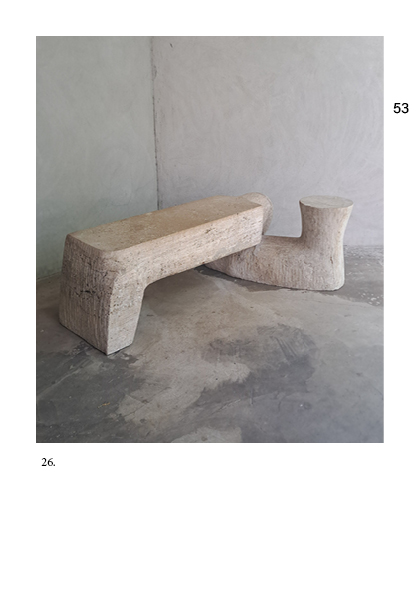
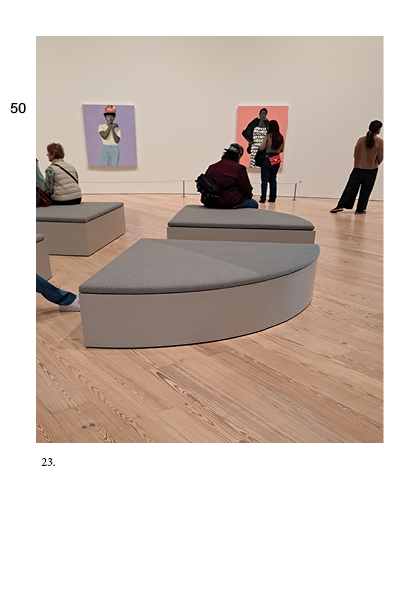
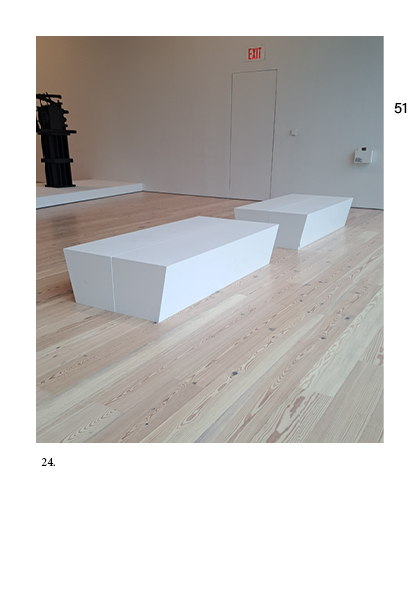
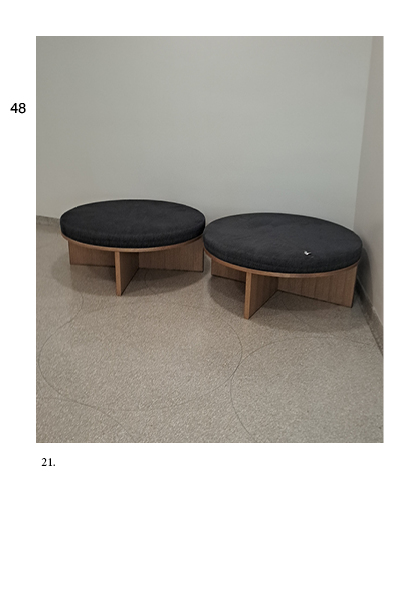
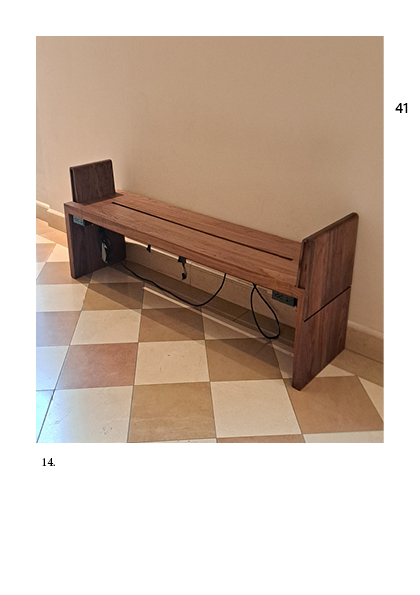
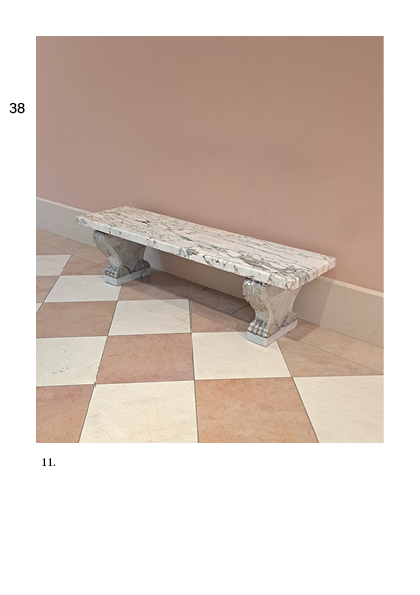
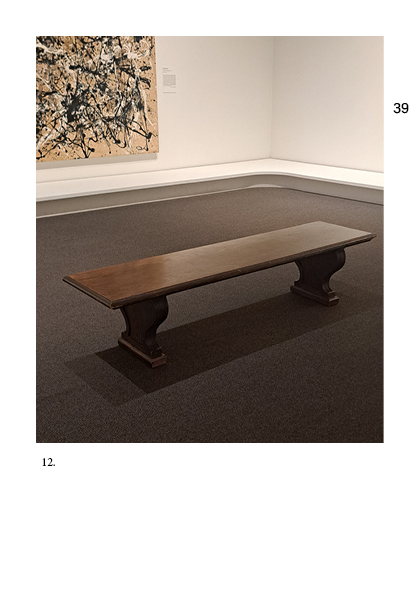
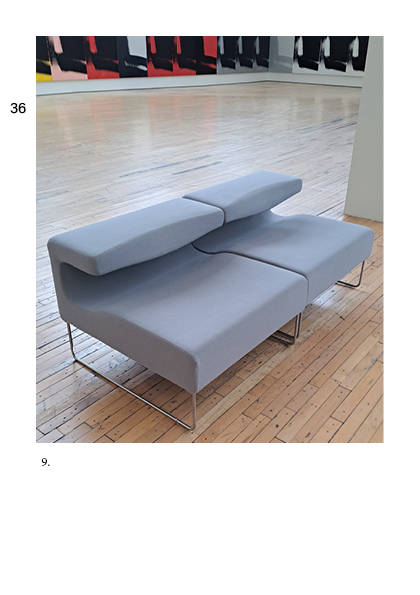
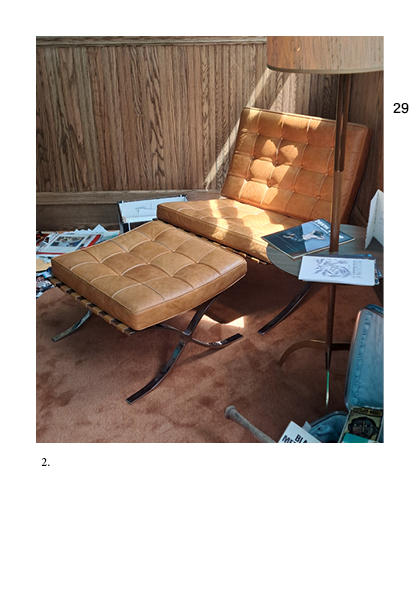
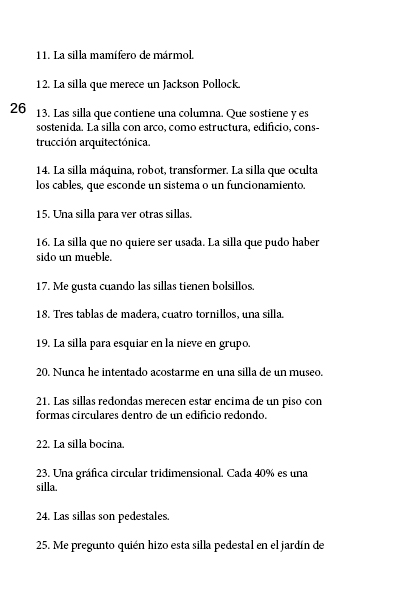
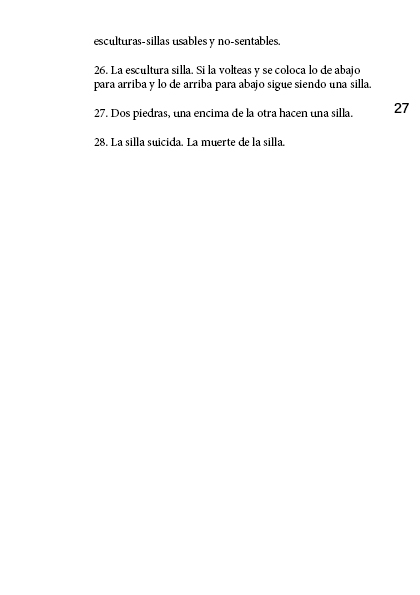
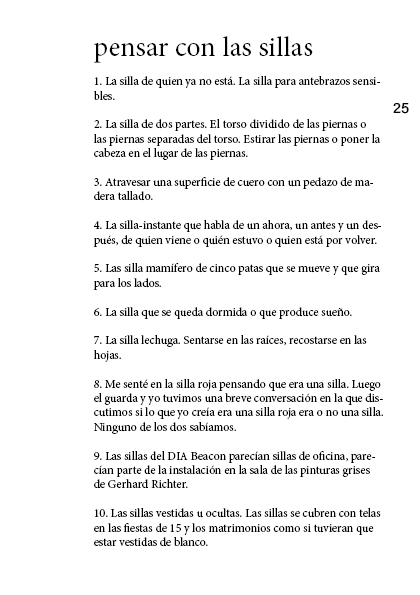
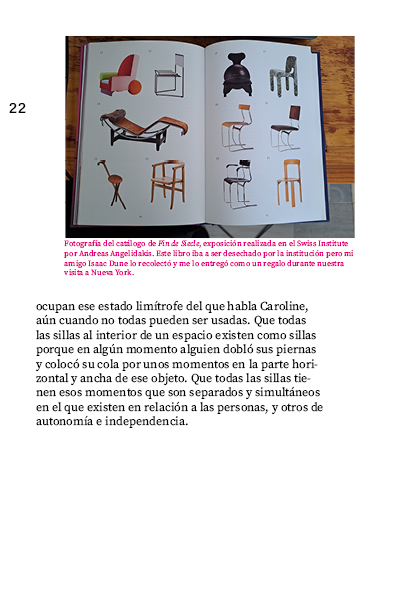
The second part, sentarse, is a catalogue of 28 chairs that I found during the trip, many I did sit in, others I didn’t. Some are no longer used, while others are used daily by lots of people. I am drawn to certain ones because of their shape, the way they occupy the space, or their relationship with the rest. Some are art objects, others accompanied artworks in the exhibition rooms.
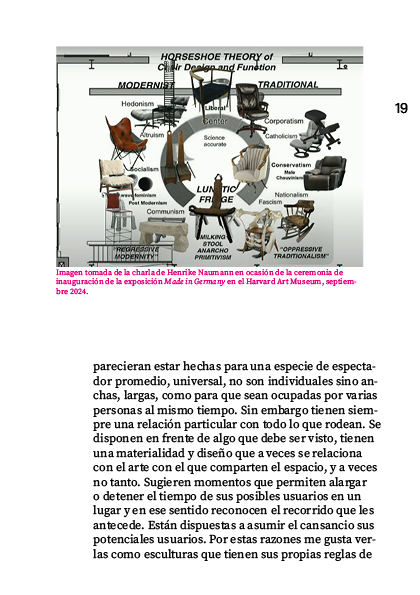
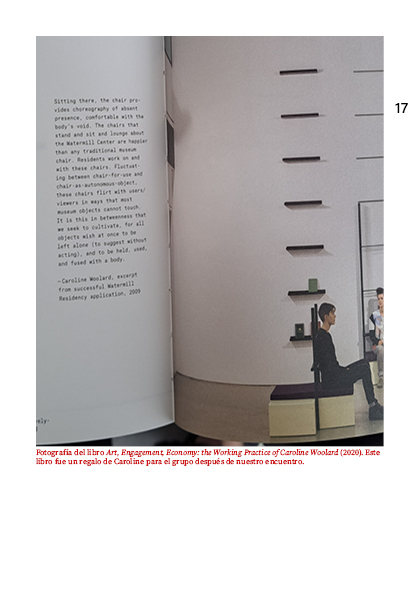
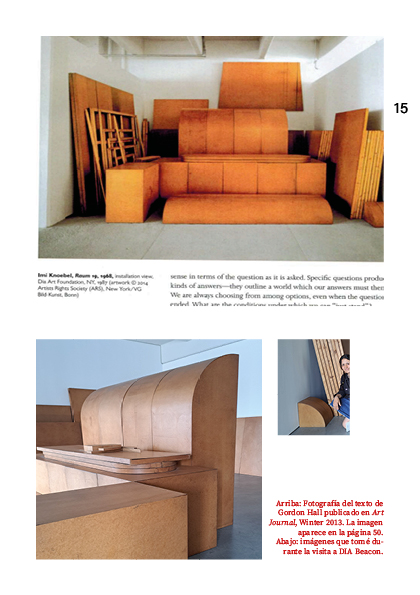
The short essay that I wrote along with this catalogue begins with my experience visiting the Imi Knoebel installation at the Dia Art Foundation. Afterwards, it dialogues with some ideas from a text by Gordon Hall, a graphic/mem by Henrike Naumman, some chairs by Caroline Woolard, and a passage from a Sarah Ahmed’s book. These dialogues arise reflections on the objects and their orientations, and in particular to try to think about and with these chairs. Lastly, each one of the places where the chairs and I met are listed, in case someone wants to seek them out.

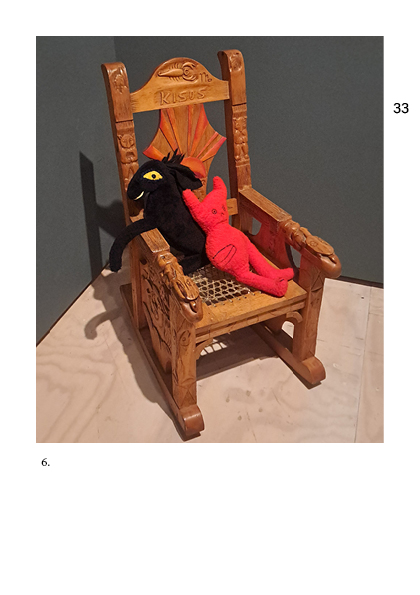
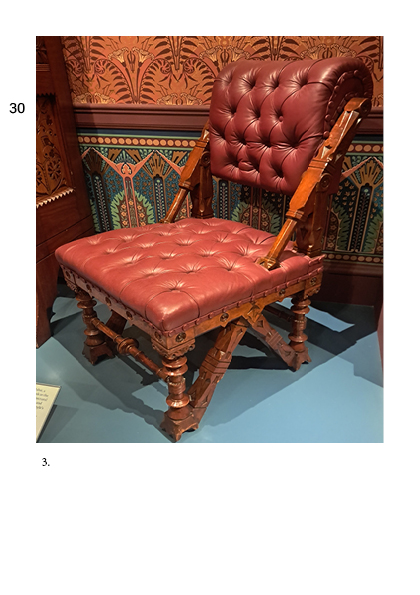
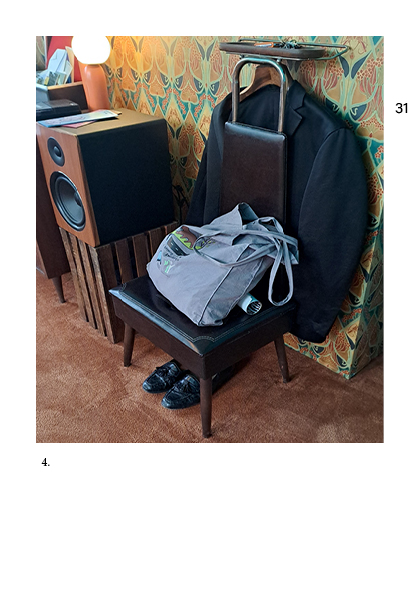
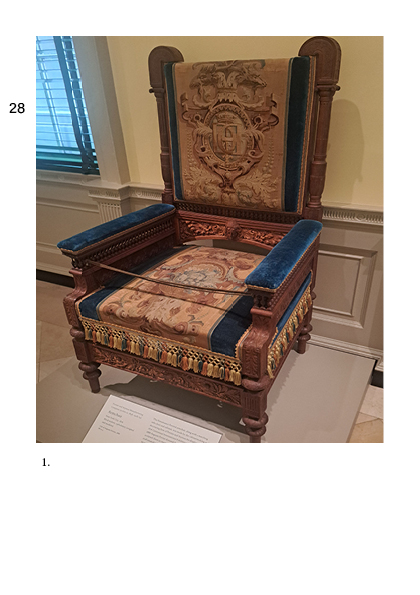


Susana Oliveros
Bogotá, 1992
She has exhibited her work in Colombia, where she was born, in the United States, where she resided for three years, and in Mexico, where she currently lives with Yuca, her dog. She was selected for various residencies: Sculpture School at Sweet Pass Sculpture Park (Dallas, Texas, 2021-2022), Nave (Ecuador, 2021), and the Emerging Visual Artist Intensive at the Banff Centre (Canada, 2020). She has also been awarded grants such as IV Premio Salón Arte Joven-Fase Preselección (Colombia, 2021), RISD Graduate Grant (U.S., 2020), Sylvie Leslie Young Scholarship (2018-2020), Emerging Artists Creation Grant (MinCultura, Colombia, 2018), and the CONACHYT Scholarship (2023-2025). Susana holds a Master of Fine Arts from the Rhode Island School of Design (United States, 2020) and graduated cum laude in both Art and Art History from Universidad de los Andes (Colombia, 2015). She is currently a member of the Programa Educativo SOMA (SOMA Study Program, 2023-2025) and a Master’s candidate in Latin American Studies at UNAM (Mexico).
Erik Rojas
Travel Journal
On this journey there was laughter, misunderstandings, discoveries, doubts —so many doubts—, new appreciations and shifting perspectives that have sparked an interest in returning to this city that appeared monstrous yet domesticated. Before April 13th, I thought the city stood as a fortress of U.S. identity. It was not until I arrived in it that I became aware of the plurality of thought, nationalities and cultures converging in the neighborhoods I visited. At first, I was worried about not knowing the language, but it turned out that everyone seemed to understand Spanish to a great extent.
I tried new flavors, smelled the city as if it were a person because my nose felt like all inhabitants smelled the same, felt nauseated by the grime of the subway, yet savored the delicious carrot, ginger and lemon juice at the Takecare bar: a storm of stimuli combined with the city’s erratic climate.
Travel as a Learning Experience revealed to me the diversity of voices orbiting the contemporary art world. It was amazing to discover and appreciate the independent and organized spaces, such as the collectives in the Lower East Side, where politics are practiced through art to strengthen social bonds. The encounter with works by artists that were previously unknown to me was equally memorable. It had been long since I felt as seduced as I was by Melvin Edwards’ piece at the Dia Beacon, which strengthened my desire to continue pursuing art as a profession.
At the same time, it was wonderful to realize that the New York I inhabited for two weeks looked exactly like the one I had known from home through cinema and TV. Walking under its skyscrapers, crossing its bridges, and its avenues of sewers expelling their steam at midnight took me back to that landscape taken over by cinematography and comics. It inadvertently led me to think of myself as a character in an extraordinarily vivid fiction.
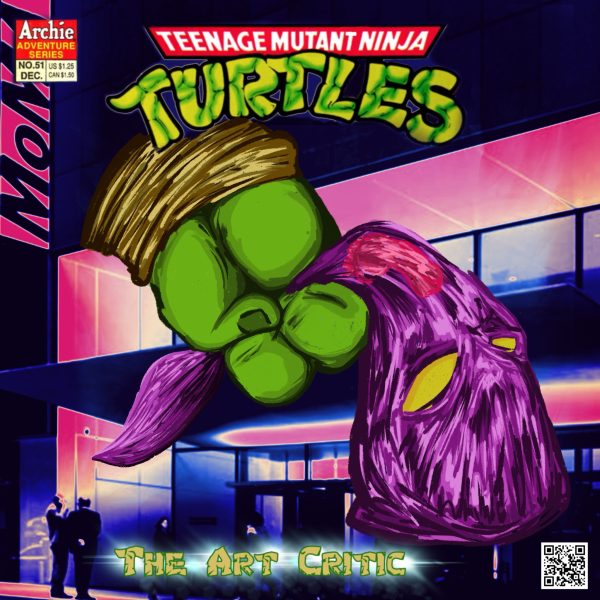
The Art Critic
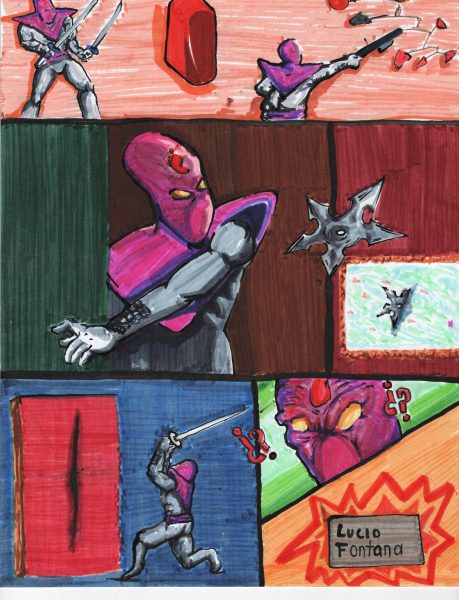
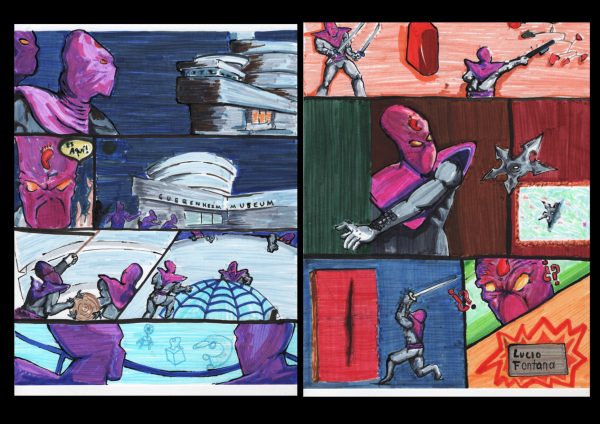
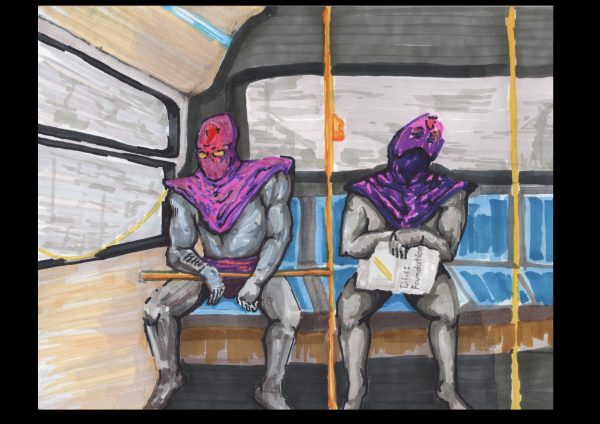
For Travel as a Learning Experience, I present an excerpt from a fictional Ninja Turtles comic, which narrates the daily life of the members of the Foot Clan, villains who serve as Shredder’s armed wing.
In this issue, the Foot Clan members break into various contemporary art museums in New York City to destroy objects classified as works of art, based on the premise that only objects tied to traditional disciplines can be considered ART.
These comic pages are connected to a video showing an animation of the routes I took to different artistic spaces in the city. In an abstract way, the contemplation of the constellations of objects housed in New York museums merges with the disorientation of a person visiting the United States of America for the first time.
Erik Rojas a.k.a Erish
Mexico City, 1987
He is a visual artist and graduate of the Faculty of Arts at the Universidad Autónoma del Estado de México. His artistic practice draws from the aesthetics of popular culture and everyday objects to create inner narratives that are accessible to a non-specialist audience. His work takes the form of protest and has been presented in Mexico City at venues such as the José María Velasco Gallery, the Museo del Juguete Antiguo Mexicano, Casa del Lago Juan José Arreola, Museo Universitario del Chopo, and the cultural gallery of the collective transport system at the Metro Coyoacán station. In Toluca, State of Mexico, his work has been shown at the Museo Torres Bicentenario, Museo Universitario Leopoldo Flores, EnfoqueLab Gallery, and at the gallery of the UAEMex Faculty of Arts. His work has been exhibited at Liliput Galería Experimental in Puebla, México; and in Havana, Cuba, at INSTAR and the Museo de la Disidencia as part of the activities of the #00Bienal de la Habana.
He was a recipient of the PECDA State of Mexico grant in 2014 as a member of the collective Proyecto DeFacto. He currently lives in Ixtlahuaca, State of Mexico, where he co-directs tizneColaboratorio, a space dedicated to the development of artistic and cultural projects focusing on the iconographic intersections of ancient and contemporary cultures. With this collective, he received the Patronato de Arte Contemporáneo (PAC, 2024) grant for artistic production.
Collective Travel Journal
Viaje como experiencia de aprendizaje (Travel as a Learning Experience) is an initiative of the Isabel and Agustín Coppel Collection – CIAC, coordinated by curator Sofía Olascoaga, with the support of Paloma Gómez, in collaboration with the Programa Educativo SOMA (SOMA Study Program). In summary, this account brings together three projects that were collaboratively developed over the course of the program, from preparation, through their unfolding, to later reflections.
First, we present Bestiario, an editorial initiative launched by artist Yatiní Domínguez, who invited the artists of the 2023–25 generation, of which she is a member, to produce a brief statement accompanied by a portrait and an image of their work. Together, these images formed the first narrative, serving as an introduction to the generation and those who took part in the experience.
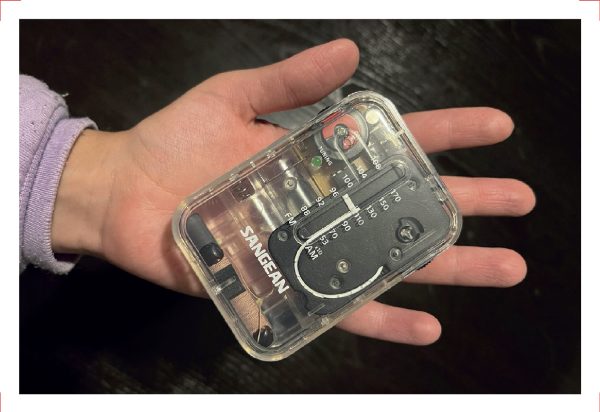
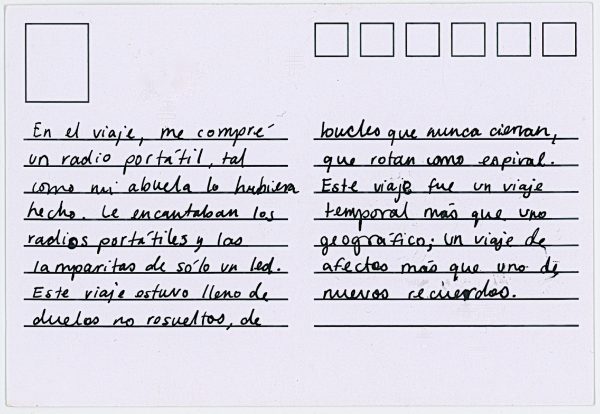
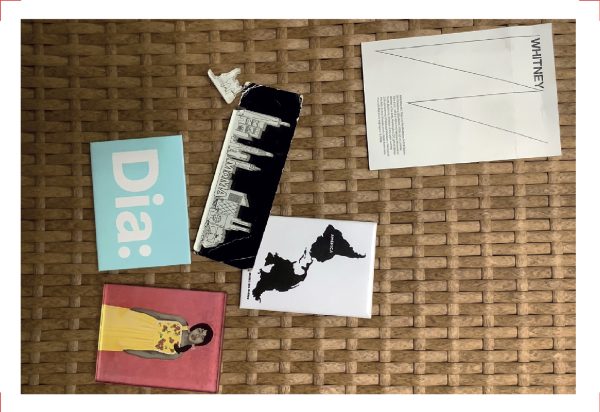
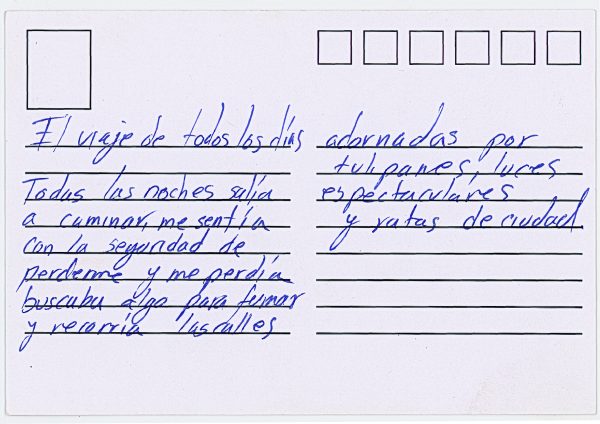
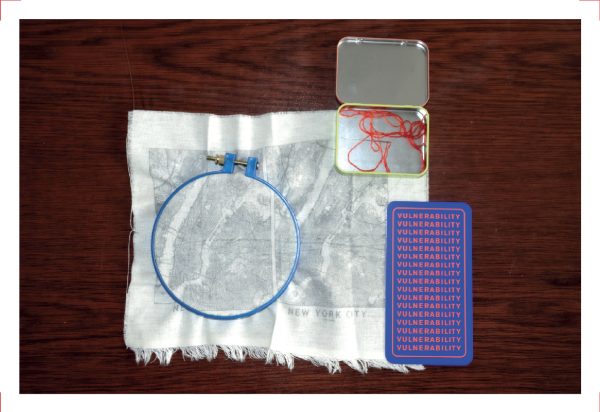
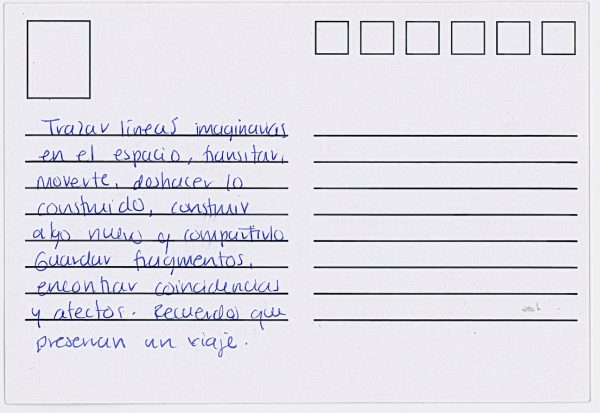
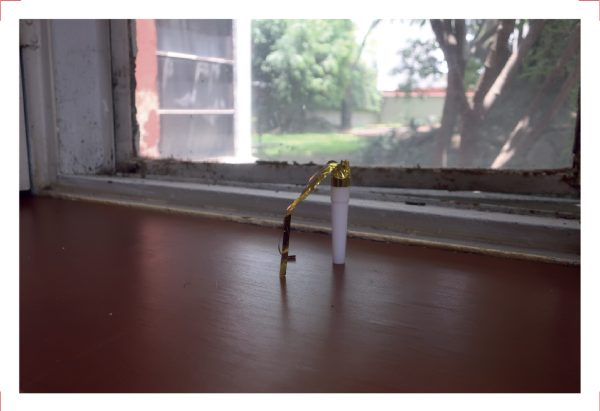
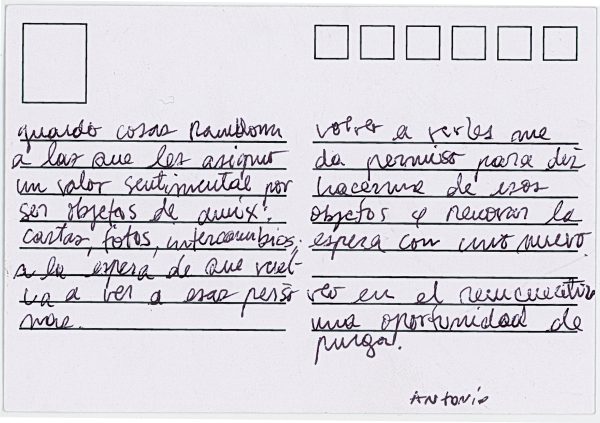
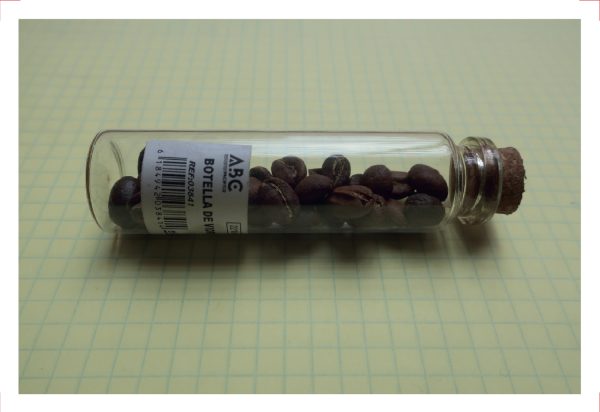
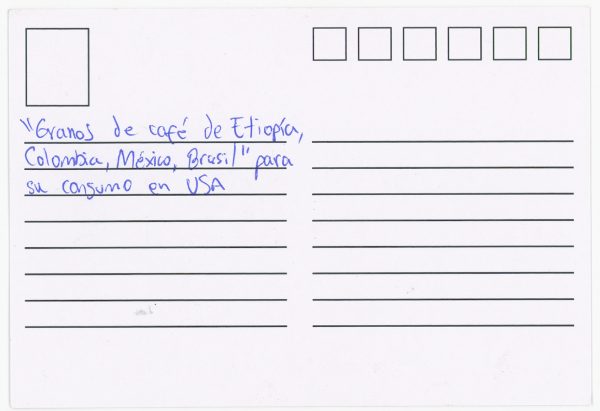
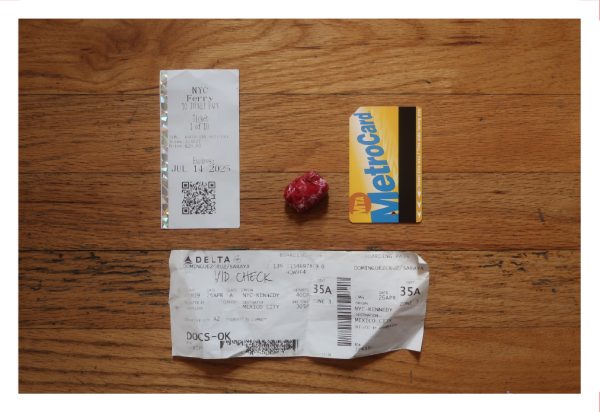
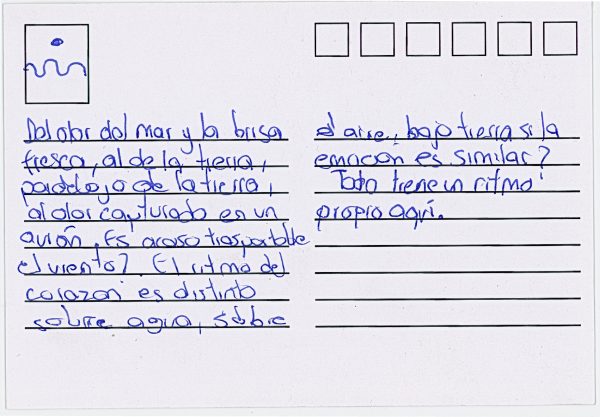
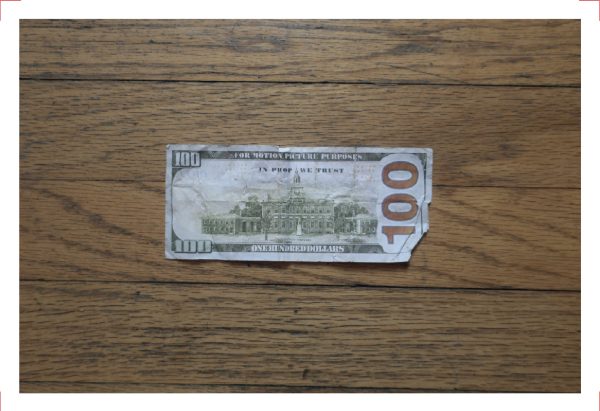
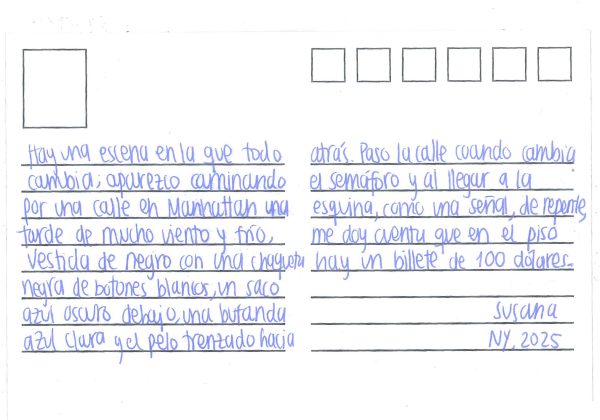
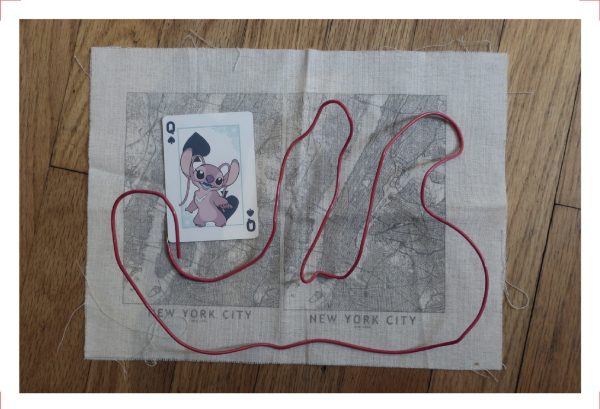
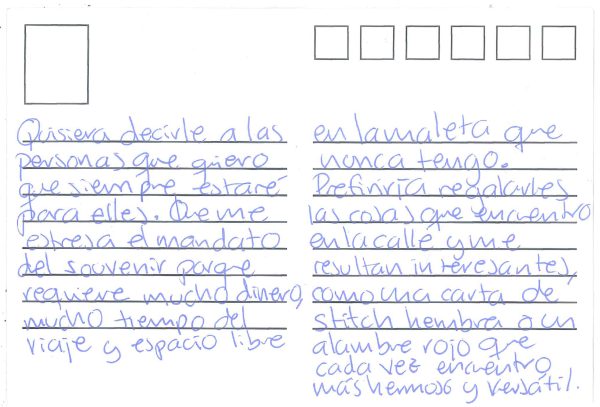
The second proposal consists of a series of postcards that gather the individual wanderings of the participants. These captured their searches and findings of visual material, found objects, editorial content and things of personal interest. Each participant made photographs which were then materialized as postcards.
Lastly, we present an audiovisual essay that gathers a narrative of the journey through a walk across the Brooklyn Bridge, from one end to the other. Recorded both visually and audibly with a single device passed from hand to hand, the journey across the bridge was documented from multiple perspectives, with the participation of all involved. This work became part of the collective logbook. To complement the account, a reading recorded in fourteen voices reflecting on the experience of the trip was incorporated.
— SOMA Study Program Generation 2023–25
Bestiary
Post Cards
Cardumen Walk